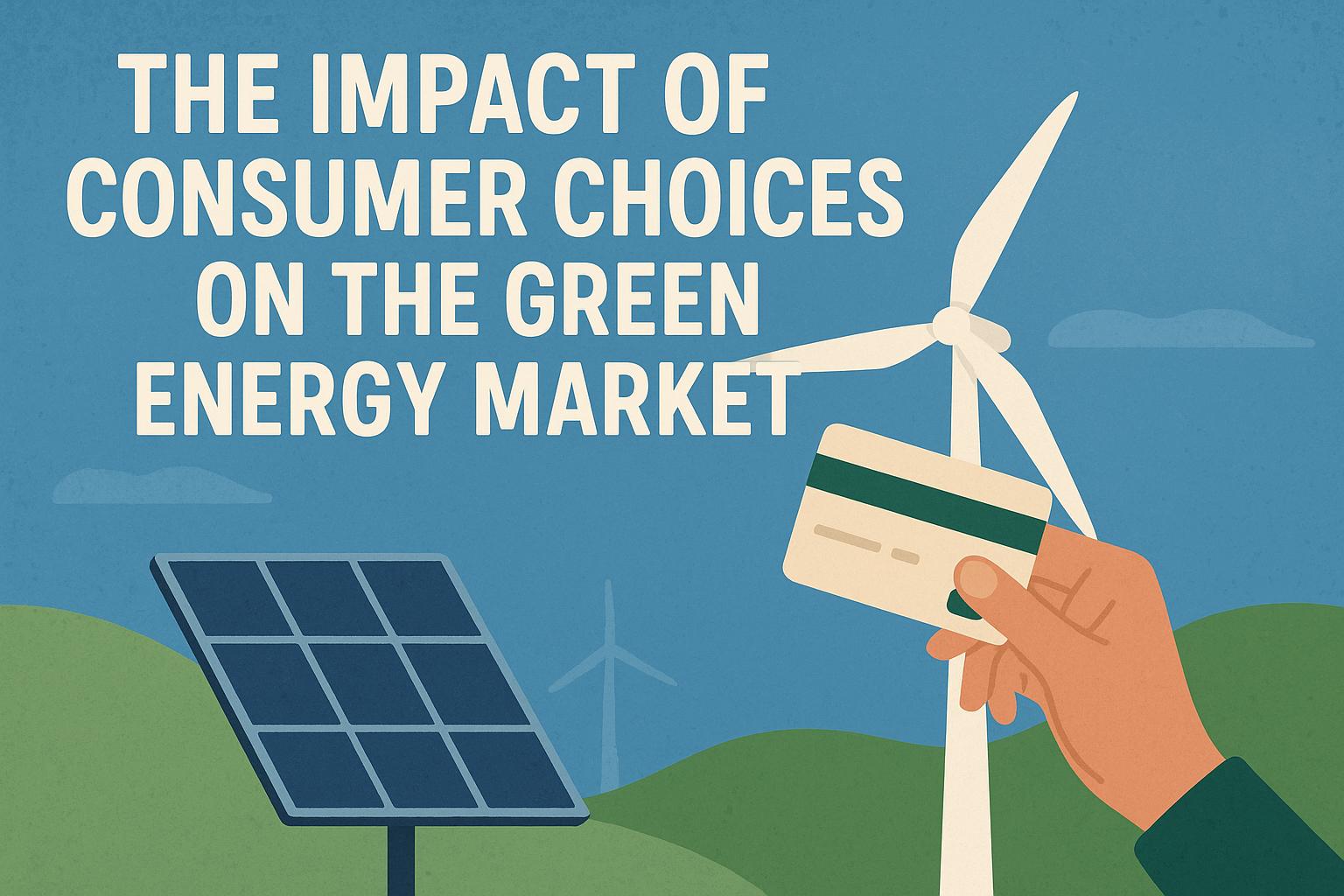
The Influence of Consumer Preferences
Consumer choices are playing a pivotal role in shaping the evolution of the green energy market. As awareness of climate change increases, many individuals are actively seeking to reduce their carbon footprints through their purchasing habits. These decisions can significantly influence the demand for sustainable energy alternatives.
Increased Demand for Renewable Energy
A growing number of consumers are opting for renewable energy sources like solar, wind, and hydropower, thereby increasing the demand for green electricity. This surge in consumer preference for renewable options is pushing utility companies to expand their green energy portfolios. As a result, the market is witnessing an uptick in investments in green energy projects, paving the way for a more sustainable future.
Economic Implications
The shift in consumer behavior has substantial economic implications. By choosing green energy, consumers are directly contributing to the financial viability of renewable energy projects. This economic support encourages further innovation and reduces costs over time. For further insights on economic impacts, you can explore resources by the International Energy Agency.
Technological Advancements
As consumer demand for green energy increases, there is a parallel growth in technological innovations. This demand encourages companies to develop more efficient and cost-effective solutions. Consequently, advancements in technology can lead to improved energy storage systems and increased energy efficiency, contributing to the widespread adoption of sustainable energy solutions.
Encouraging Policies and Incentives
Governments and policymakers respond to this consumer shift by introducing incentives such as tax credits, rebates, and grants to encourage the adoption of renewable energy. These incentives make green energy options more accessible and affordable for consumers, feeding the cycle of increased demand and further market growth. For more information on these policies, you could visit the U.S. Department of Energy’s resources.
Challenges and Limitations
Despite the positive impact of consumer choices, there are challenges and limitations to consider. Not all consumers have equal access to green energy options, often due to geographical, financial, or infrastructural constraints. Furthermore, the initial cost of installing renewable energy systems can be prohibitive for some, limiting widespread adoption.
Barriers to Accessibility
Geographical factors play a critical role in the accessibility of renewable energy. For instance, wind energy requires areas with consistent wind patterns to be effective, while solar energy is more viable in regions with abundant sunlight. Urban areas might face challenges in adopting residential renewable systems due to space constraints. Financial barriers also deter widespread adoption as the initial installation costs for solar panels, wind turbines, or geothermal systems are high, despite the long-term savings they offer.
Infrastructure and Distribution Challenges
The existing energy infrastructure can also hinder the growth of green energy. Traditional electrical grids are often insufficiently equipped to handle the decentralization required for renewable sources, which are typically distributed rather than centralized like conventional power plants. Upgrading these systems requires significant investment in new technologies and infrastructure to facilitate integration.
Economic Disparities
Economic disparities among consumers influence the adoption of green energy technologies. While industrial and affluent residential areas might implement renewables with little financial strain, low-income communities often cannot afford the transition without substantial support from subsidies or community programs. These economic divides necessitate careful planning to ensure equitable access to sustainable energy for all demographics.
Public Awareness and Education
Consumer preferences are undoubtedly guided by the level of awareness and education regarding renewable energy’s benefits. Despite increased awareness, misinformation or lack of knowledge about the efficiency, savings, and long-term benefits of green energy solutions remain common barriers. Hence, initiatives to educate the public can play a crucial role in changing consumption patterns.
Role of Media and Information Dissemination
Media platforms have a responsibility to disseminate accurate and comprehensive information about renewable energy solutions. This can help overcome skepticism and resistance by clarifying misconceptions. Campaigns and documentaries can highlight successful case studies and innovations in renewable energy, showcasing both the practicality and necessity of adopting sustainable options.
Benefits of Consumer Advocacy
Active consumer advocacy can drive change by pressuring energy companies and policymakers to transition towards greener policies. Consumers collectively demanding sustainable options can create significant leverage, encouraging companies to shift their strategies accordingly. Advocacy groups tackling environmental issues often influence public opinion, accelerating the adoption pace of green technologies.
Conclusion
In conclusion, consumer choices are a powerful force driving the transformation of the green energy market. While there are challenges that need addressing, the continued growth in demand for renewable energy by consumers is likely to propel further advancements and policy support, making green energy an increasingly integral part of the global energy landscape. As consumer preferences continue to evolve, the synergy of combined efforts from consumers, companies, and policymakers will be crucial in overcoming barriers and ensuring a sustainable energy future. Emphasizing equitable access and education will aid in the broader deployment of renewable energy solutions, aligning environmental, economic, and social goals.