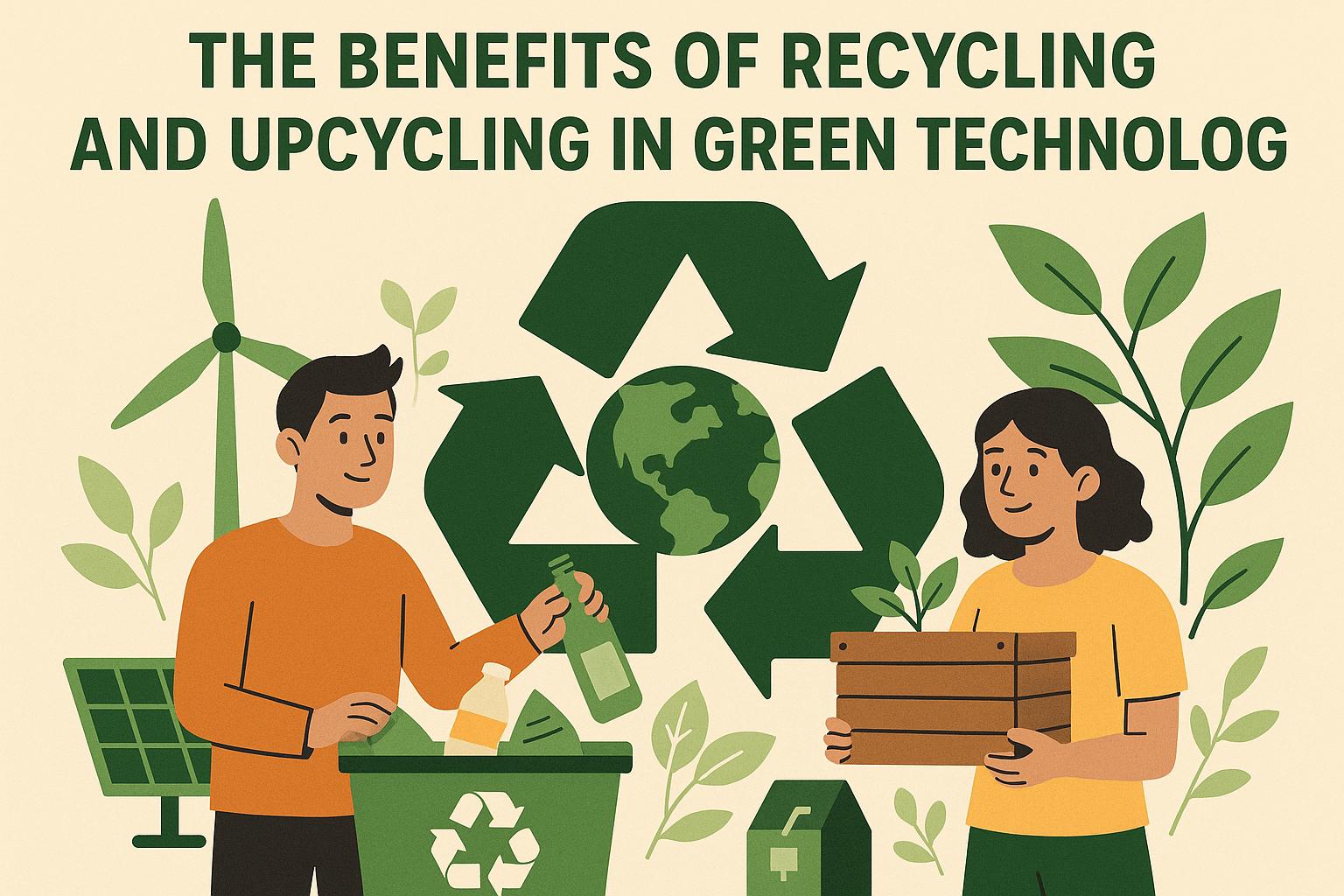
The Role of Recycling in Green Technology
Recycling plays a crucial role in green technology, contributing significantly to promoting environmental sustainability. By converting used materials into new products, recycling helps to diminish the demand for raw materials. This process is essential because the extraction of raw materials often poses environmental challenges, including deforestation, soil erosion, and a significant carbon footprint. For instance, when we recycle metals such as aluminum, there is a conservation of up to 95% of the energy required to produce the same amount of these metals from virgin raw materials. By focusing efforts on recycling, society not only conserves energy but also reduces environmental degradation.
Environmental Benefits
Implementing effective recycling strategies results in substantial environmental benefits. One of the most significant advantages is the reduction in the amount of waste sent to landfills and incinerators. These waste disposal methods often lead to increased pollution levels, impacting air, water, and soil quality. By diverting waste from these disposal methods, recycling reduces the emission of greenhouse gases like methane, which is notably produced in landfills. Furthermore, recycling helps limit the release of harmful toxins that arise from waste decomposition and incineration processes. Take the recycling of paper, for example; it plays a crucial role in conserving natural resources such as trees. In saving trees, there is a subsequent reduction in water and air pollution.
Economic Advantages
Beyond environmental impacts, recycling offers substantial economic benefits. The recycling industry has become a backbone for job creation and economic growth. It fosters the development of new business enterprises and innovations focused on transforming waste into valuable materials. This, in turn, leads to job creation across various sectors of the economy. Not only does this provide employment, but it also curtails the costs associated with traditional waste management practices and the procurement of raw materials. By creating efficient supply chains, recycling minimizes operational costs and supports sustainable economic activities.
The Concept of Upcycling
In the realm of green technology, upcycling stands out as a creative and innovative extension of recycling. It involves the transformation of waste materials or unwanted products into new items that boast greater value or utility. Upcycling contributes positively to sustainable practices by promoting continuous reuse of materials in innovative ways.
Reducing Resource Consumption
A distinctive advantage of upcycling is its role in reducing resource consumption. By repurposing existing materials, there is a minimized need for new resource extraction, whether it be water, energy, or other raw materials. In bypassing the extraction phase, there is a direct contribution to environmental preservation. Resources that would otherwise be depleted remain conserved, supporting broader environmental goals.
Encouraging Innovation
Another significant aspect of upcycling is its ability to foster innovation. Designers and manufacturers increasingly adopt upcycling to create distinctive products, spanning from fashion items to household goods. This approach allows for the development of unique items that add aesthetic value while promoting sustainable practices in everyday life. Upcycling challenges individuals and companies to think creatively, finding new uses for materials that may otherwise be discarded.
Synergy Between Recycling and Upcycling
Recycling and upcycling work hand in hand to support the principles of a circular economy. While recycling focuses on converting waste materials into useful products, upcycling takes this a step further by infusing creativity and innovation into the process. Together, these practices create a synergistic framework that enhances the overall impact of green technology. In aligning efforts, both strategies contribute to maximizing resource efficiency and minimizing waste.
Impact on Consumer Behavior
The collective focus on recycling and upcycling has a noticeable influence on consumer behavior. As awareness of environmental impacts grows, people are more inclined to purchase items made through sustainable processes. This shift in consumer preference drives market trends toward eco-friendly products. The demand for responsibly sourced and manufactured goods encourages companies to adopt greener practices in both production and waste management. The overall result is a market landscape that increasingly prioritizes sustainability.
Technological Advancements
Technological advancements are continually enhancing recycling and upcycling methods. Innovations such as AI-driven sorting technologies for recyclables and the use of 3D printing with upcycled materials exemplify how modern technology can boost the efficiency of these processes. These technologies not only make recycling and upcycling more effective, but they also expand the possibilities within the realm of environmental sustainability. By streamlining operations and reducing human error, technological advancements ensure that the processes remain at the cutting edge of ecological preservation.
The Future Outlook
As the global community grapples with environmental challenges, the benefits of recycling and upcycling in green technology become increasingly evident. As society continues to become more conscious of sustainability and its importance, these practices are expected to evolve further. Driven by technological innovation and a commitment to lessening ecological footprints, recycling and upcycling offer a promising pathway toward a more sustainable future. They align environmental goals with economic development, supporting a future where sustainable practices take center stage in addressing global environmental concerns.
Engaging in recycling and upcycling represents tangible ways individuals and organizations can contribute to a greener planet. With ongoing education and technological advancement, these efforts will continue to grow and adapt to the needs of both the environment and economic structures. For more detailed information on green technologies and sustainable practices, further resources are available to guide and inform such as Earth.Org.