The Role of Decentralized Energy Systems in Advancing Sustainability
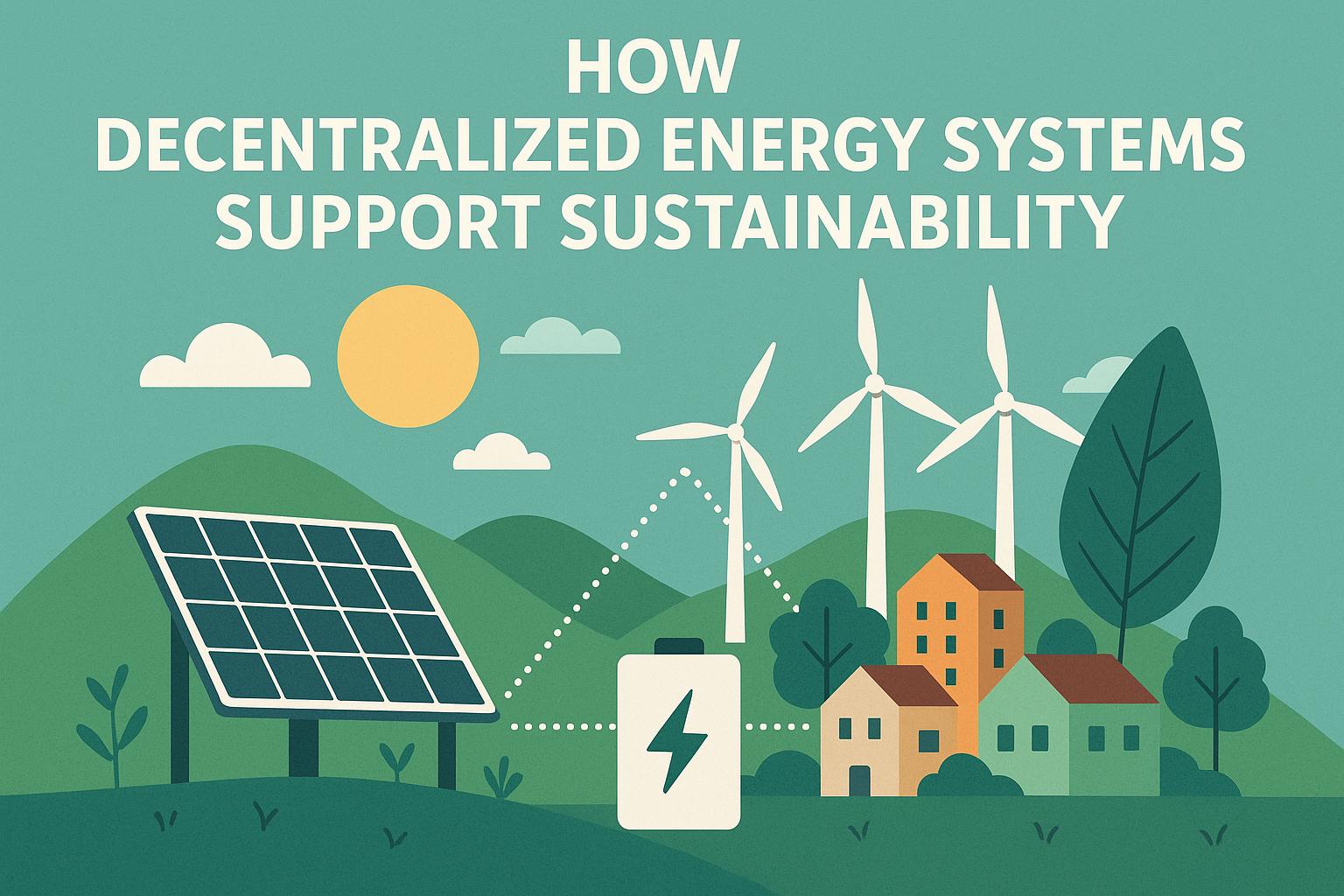
Decentralized energy systems, commonly known as distributed energy resources (DERs), play a significant role in the global transition toward sustainable energy. Unlike the conventional, centralized power systems that rely significantly on large-scale power plants, decentralized systems are characterized by small-scale units that generate or store energy close to where it is used. These systems include technologies such as solar panels, wind turbines, and energy storage solutions like batteries. The adoption of decentralized energy systems has become a pivotal part of the efforts to enhance energy efficiency, promote renewable energy, and build resilient communities across the globe.
Enhancing Energy Efficiency
One of the paramount benefits of decentralized energy systems is their ability to enhance energy efficiency. In traditional energy systems, electricity must travel long distances from generation plants to end-users, leading to significant energy losses during transmission and distribution. In contrast, decentralized systems generate power locally, which minimizes these losses and thus enhances overall energy efficiency. This localized generation of power diminishes the dependency on long-distance transmission lines, which are known for being not only susceptible to energy loss but also imposing high infrastructure costs and environmental impacts. The proximity of power generation to consumption sites means that less energy is wasted, and the demand for extensive transmission networks is reduced.
Moreover, decentralized systems enable the integration of modern energy management technologies that optimize consumption patterns and further reduce wastage. Advanced metering infrastructure and smart grids can be more easily implemented and operated within localized systems, providing real-time data that facilitates more efficient energy use. This capability underscores the critical role that decentralized systems can play in mitigating energy loss and reinforcing the grid’s overall efficiency.
Promoting Renewable Energy
Decentralized energy systems are at the forefront of promoting the use of renewable energy sources such as solar and wind power. By enabling generation on a localized level, decentralized systems become especially effective in areas with abundant renewable resources but limited access to centralized power grids. This approach not only supports the deployment of clean energy technologies but also aids in reducing reliance on fossil fuels, bolstering efforts to cut down greenhouse gas emissions.
In addition to environmental benefits, the localized nature of energy generation in decentralized systems helps facilitate the adoption of renewable energy in diverse geographic regions. Even remote or rural areas can harness their natural resources to meet their own energy needs without relying on external supply lines. This decentralization acts as a catalyst for a more equitable distribution of energy resources and fosters a balanced energy landscape where the usage of renewables is maximized. Furthermore, implementing renewable energy technology locally can spur technological innovation and drive down the cost of renewable energy solutions.
Resilience and Reliability
Traditional centralized energy grids can be susceptible to disruptions, stemming from natural disasters or technical failures. Decentralized energy systems improve grid resilience by distributing the points of power generation, creating a more robust network. In the event of a localized failure, other parts of the network can continue to supply energy, maintaining reliability and lowering the risk of large-scale blackouts. This resilience not only benefits those directly connected to decentralized systems but also alleviates the strain on centralized grids by reducing peak demand pressure and enhancing overall grid stability.
Implementing decentralized energy systems can act as a buffer against outages and failures, leading to more reliable energy supply. The decentralized approach mitigates the risks associated with large, centralized power systems by diversifying the sources and locations of power generation. This increased resilience is especially valuable in regions prone to extreme weather conditions or with aging infrastructure, where maintaining uninterrupted power supply is critical for both daily activities and emergency situations.
Community Empowerment and Economic Benefits
Decentralized energy systems empower communities by allowing them to produce and control their own energy. This self-sufficiency can lead to more stable energy prices and reduce dependence on external energy providers. By giving communities autonomy over their energy needs, decentralized systems can facilitate energy independence and economic resilience.
In addition to empowering individuals and communities, decentralized energy systems also offer significant economic benefits. The deployment and maintenance of distributed energy systems can stimulate local economies by creating jobs and fostering technological innovation. From manufacturing and installation to maintenance and management, the decentralized energy sector has the potential to create a broad range of employment opportunities. This economic stimulation can be pivotal in driving the transition toward sustainable energy models and fostering widespread support for renewable energy initiatives.
Challenges and Considerations
Despite the numerous benefits that decentralized energy systems offer, they also present specific challenges that need to be addressed. One of the primary challenges is the need for initial capital investment, which can be substantial for communities or individual users. Additionally, there can be potential integration issues within existing grid infrastructure, as decentralized systems must work harmoniously with established energy networks.
Furthermore, the variability of renewable energy sources necessitates the development of advanced management systems to deal with fluctuation in energy generation. The intermittent nature of solar and wind energy requires robust solutions to ensure a consistent and reliable power supply. Overcoming these challenges demands coordinated efforts between governments, industry stakeholders, and communities, along with policy support and technological innovation.
Conclusion
As the world increasingly moves toward sustainable energy solutions, decentralized energy systems stand out as a crucial component of this transition. By enhancing energy efficiency, promoting the use of renewable resources, and contributing to grid resilience, these systems support the broader sustainability goals of reducing environmental impact and ensuring energy security. Continued investment and innovation in this area are essential for realizing a sustainable energy future. The potential for decentralized systems to create economic and social benefits further underscores their importance as we navigate the future of energy production and consumption.