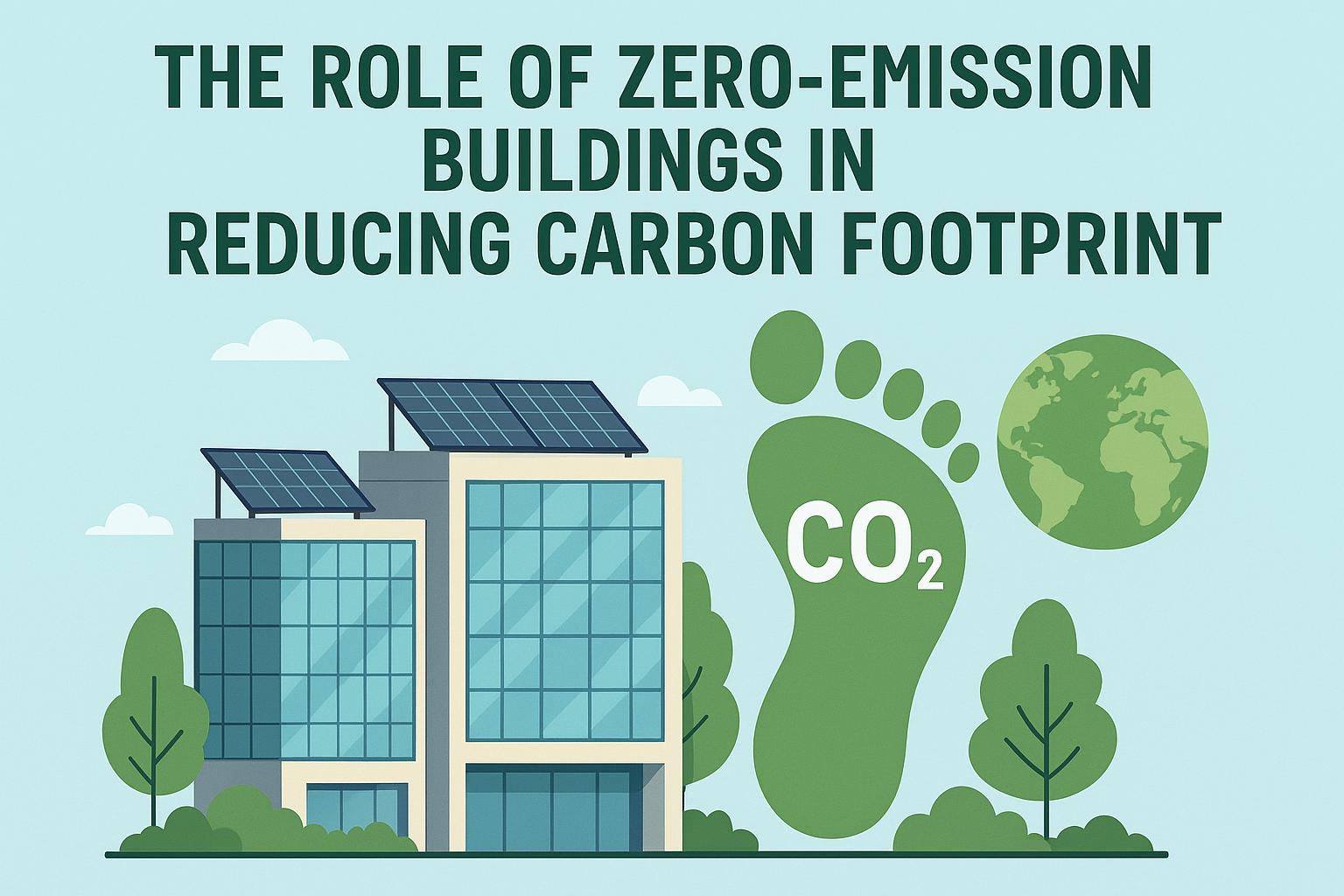
The Importance of Zero-Emission Buildings
The construction and operation of buildings contribute significantly to global carbon emissions. According to reports, buildings are responsible for approximately 40% of global energy consumption and 33% of greenhouse gas emissions. The development of zero-emission buildings (ZEBs) plays a pivotal role in mitigating climate change by addressing these substantial contributors.
Defining Zero-Emission Buildings
Zero-emission buildings, also known as net-zero energy buildings, are designed to produce as much energy as they consume over a given period. This balance is achieved through energy-efficient design, on-site renewable energy production, and strategies that minimize energy waste. For more detailed information on ZEBs, resources like the World Green Building Council provide valuable insights.
Energy-Efficient Design
Energy efficiency is at the core of zero-emission buildings. This involves optimizing the building’s layout, materials, and systems to minimize energy consumption. High-performance insulation, advanced window glazing, and passive solar design contribute significantly to reducing energy use. These strategies ensure that the building maintains comfortable temperatures with minimal reliance on heating and cooling systems.
Renewable Energy Generation
On-site renewable energy generation is an integral component of ZEBs. Solar panels and wind turbines are commonly installed to produce electricity, thereby reducing dependence on fossil fuel-based power. The integration of these technologies not only lowers carbon emissions but also promotes energy independence. More information on renewable energy systems can be found at the Office of Energy Efficiency & Renewable Energy.
Minimizing Energy Waste
Zero-emission buildings employ strategies to minimize energy waste, such as using energy-efficient appliances and lighting. Smart building technologies, like automated energy management systems, also play a crucial role in optimizing energy use. These systems adjust heating, cooling, and lighting based on occupancy and time of day, ensuring that energy is not wasted when it is not needed.
The Environmental Impact
Transitioning to zero-emission buildings offers substantial environmental benefits. By reducing reliance on fossil fuels and curbing greenhouse gas emissions, ZEBs contribute to a cleaner, more sustainable environment. They help improve air quality, reduce the urban heat island effect, and conserve natural resources.
Economic Benefits
Although the initial investment in zero-emission technology might be higher compared to traditional construction, the long-term economic benefits are notable. Energy savings provide a return on investment, lowering operational costs significantly over the building’s lifespan. Moreover, as the demand for sustainable buildings increases, ZEBs can result in higher property values and attract environmentally conscious tenants.
Conclusion
The role of zero-emission buildings in reducing the carbon footprint is increasingly important in the fight against climate change. Through energy-efficient design, renewable energy integration, and minimizing energy waste, ZEBs offer a viable path toward a more sustainable future. Stakeholders, including governments, developers, and consumers, must collaborate to promote and implement zero-emission building practices to realize their environmental and economic potential fully.
Advancements in Building Technologies
Modern advancements in building technologies underscore the potential to revolutionize the construction industry further. The integration of digital tools and innovative materials significantly enhances the feasibility and efficiency of creating zero-emission buildings.
Innovative Building Materials
Building materials are pivotal in determining the thermal performance and sustainability of a building. Innovations in materials, such as advanced concrete composites that reduce carbon emissions, are transforming the construction industry. Moreover, incorporating recycled materials not only reduces waste but also supports sustainability goals. These materials can be more durable and environmentally friendly, offering long-term benefits consistent with the principles of ZEBs.
Smart Building Technologies
The advent of smart building technologies has ushered in a new era of energy efficiency. These technologies include systems that monitor and control various building operations in real-time. For instance, intelligent HVAC systems can adapt to changing weather conditions and occupancy patterns, optimizing energy consumption. Additionally, smart meters and grid-connected solutions provide detailed insights into energy usage, allowing building managers to make informed decisions to enhance efficiency.
The Potential of Building Information Modeling (BIM)
Building Information Modeling (BIM) is increasingly becoming a standard in building design and construction. BIM facilitates the creation of digital representations of buildings as three-dimensional models. This approach enhances collaboration between different stakeholders and enables precise simulation of energy performance. By identifying potential issues earlier in the design phase, BIM contributes to more efficient construction processes and more effective implementation of zero-emission strategies.
Policy and Regulatory Frameworks
The transition to zero-emission buildings is critically supported by robust policy and regulatory frameworks. Governments worldwide are recognizing the enormous potential of ZEBs in achieving national and global climate targets. Policies, such as energy efficiency standards and incentives for renewable energy adoption, play an essential role in promoting the widespread adoption of zero-emission buildings. Tax incentives, grants, and subsidies are some of the mechanisms that can drive investment in ZEBs, encouraging developers and homeowners to pursue sustainable building practices.
The Role of Education and Awareness
Raising awareness and educating the public and industry stakeholders about the benefits and practices of zero-emission buildings is vital. Educational programs and public awareness campaigns can foster greater understanding and support for sustainable building practices. The availability of training programs for architects, engineers, and construction workers ensures that they are equipped with the necessary skills to implement zero-emission building technologies effectively.
The Future of Zero-Emission Buildings
The future of the building industry is inexorably linked to the broader adoption and optimization of zero-emission building practices. As technology continues to evolve, the capacity to create buildings that significantly reduce environmental impact will become even more accessible and affordable. While zero-emission buildings represent a significant advancement in combating climate change, their success depends on concerted efforts from industry stakeholders and policymakers. By fostering innovation, investing in cutting-edge technologies, and cultivating a culture of sustainability, the construction industry can pave the way for a greener, more resilient future.