Introduction
The shift towards energy-efficient appliances represents a significant advancement in our pursuit of sustainable living. With the global demand for energy on the rise, it is imperative to incorporate energy-efficient solutions into residential and commercial spaces. These appliances not only reduce energy consumption, but they also play a critical role in environmental conservation.
What Are Energy-Efficient Appliances?
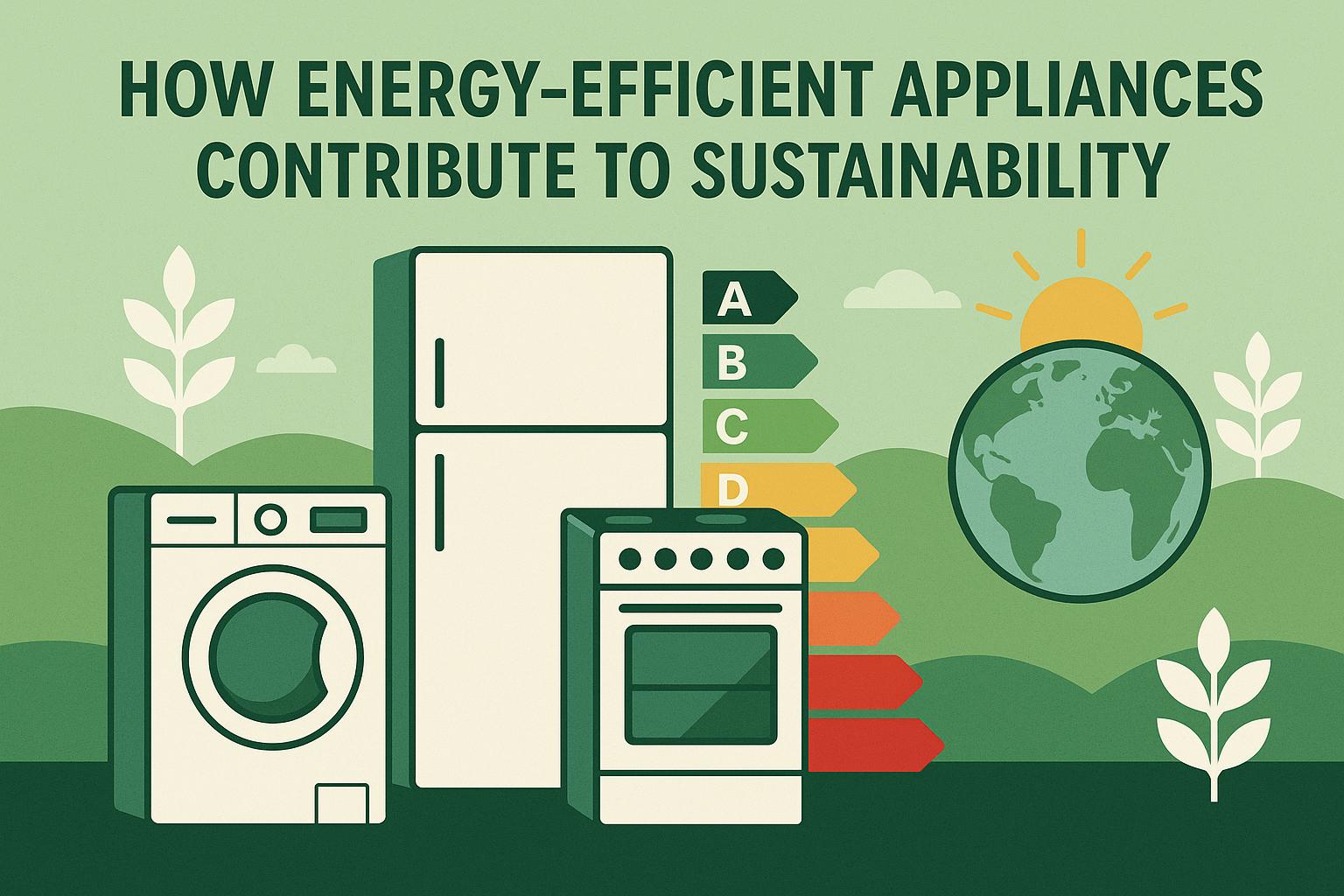
Energy-efficient appliances are engineered to perform the same functions as traditional appliances, using significantly less energy. This efficiency is achieved through the integration of advanced technology, enhanced insulation, and optimal design considerations. Typically, these appliances carry certifications such as the Energy Star label, an indication that they comply with specific energy-saving benchmarks established by regulatory authorities.
Benefits of Using Energy-Efficient Appliances
The primary advantage of implementing energy-efficient appliances is the considerable reduction in energy consumption. By using less energy, consumers benefit from lower utility bills, translating to direct economic savings. Over an extended period, these savings can become quite substantial, offsetting any initial costs associated with purchasing energy-efficient models.
Furthermore, one of the most compelling benefits of utilizing energy-efficient appliances is their contribution to reducing greenhouse gas emissions. Electricity production frequently involves the burning of fossil fuels, leading to the release of carbon dioxide into the atmosphere. By decreasing energy demand, these appliances help to limit these emissions, which is a crucial step in the fight against climate change and in ensuring a healthier environment for future generations.
Impact on Natural Resources
Preservation of natural resources is another notable benefit of using energy-efficient appliances. Many natural resources are finite, necessitating their prudent management and conservation for the benefit of subsequent generations. By curbing the exploitation of resources required for energy production, energy-efficient appliances contribute to sustainable resource management. For instance, reduced dependence on coal and oil not only decreases environmental degradation but also aids in preserving these non-renewable resources for critical future applications.
Economic Impacts and Long-term Savings
An additional economic benefit of energy-efficient appliances is their potential to stimulate economic growth by reducing the overall cost of energy consumption nationally. With lower utility expenses, households and businesses can allocate savings towards other critical areas such as healthcare, education, or innovation. Over time, this reallocation can lead to a strengthened economy with a balanced investment across various sectors.
Moreover, energy-efficient appliances often have longer lifespans than their conventional counterparts, owing to the use of advanced materials and technology. This increased durability not only aids in reducing waste but also minimizes the frequency of replacement, leading to cost savings over time.
Role in Reducing Electrical Grid Strain
The global demand for energy continues to escalate, placing substantial pressure on electrical grids, particularly during peak usage times. Energy-efficient appliances can mitigate this pressure by decreasing the overall energy draw from the grid. This reduction is instrumental in preventing situations such as blackouts and in ensuring the reliable supply of electricity to all consumers, irrespective of demand fluctuations.
By encouraging the widespread adoption of energy-efficient technologies, utility companies can pursue investments in grid modernization, thereby improving reliability and efficiency. Such advancements can result in a more robust energy infrastructure that is better prepared to handle future energy demands.
Consumer Awareness and Education
Increasing consumer awareness and education regarding the benefits and functionality of energy-efficient appliances is crucial for widespread adoption. Programs and initiatives, such as those provided by the Energy Star program, offer resources and guidance to aid consumers in making educated decisions. Understanding energy ratings, costs, and long-term savings can significantly influence consumer choices, leading to more sustainable purchasing behaviors.
Educating consumers about maintenance practices that maximize appliance efficiency can also contribute to prolonged benefits. Regular maintenance ensures that appliances function at peak performance, conserving energy and prolonging the lifespan of the appliance.
Conclusion
The adoption of energy-efficient appliances is an indispensable part of a broader sustainable strategy aimed at conserving energy and safeguarding our environment. In addition to offering economic advantages, these appliances have profound effects on ecological conservation and the steady provision of energy supplies. Savvy consumers can leverage resources such as the Energy Star program to guide them as they make informed purchasing choices.
Ultimately, integrating energy-efficient appliances into daily life is pivotal in meeting sustainability objectives. Prioritizing their adoption not only facilitates a meaningful positive impact on the global energy framework but also bolsters the ecological health of our planet. The continued push towards energy efficiency is essential for achieving a sustainable, energy-secure future.