Introduction to Eco-Friendly Urban Planning
Eco-friendly urban planning plays a crucial role in promoting sustainable growth in cities. It involves designing urban spaces to minimize environmental impact while enhancing quality of life for residents. This approach supports the growth of green technologies, which contribute to reducing carbon footprints and improving energy efficiency. By integrating innovative technologies and sustainable practices, cities aim to create environments that are not just economically prosperous, but also environmentally viable for future generations.
Core Elements of Eco-Friendly Urban Planning
Eco-friendly urban planning incorporates various elements that promote sustainability. First, it emphasizes the integration of green spaces such as parks and community gardens. These areas not only enhance urban aesthetics but also serve as crucial carbon sinks. There is a strong correlation between the presence of green spaces and overall urban air quality, as plants absorb carbon dioxide and release oxygen during photosynthesis, thus reducing pollution levels.
Another critical component is the strategic design of transportation networks to reduce reliance on fossil fuels. This might involve developing extensive public transportation systems and encouraging the use of bicycles through dedicated cycle paths. Efficient public transport reduces the number of private vehicles on the road, decreasing traffic congestion and the associated air pollution. Encouraging non-motorized transportation also promotes a healthier lifestyle among urban residents by facilitating physical activity.
Additionally, emphasizing the construction of energy-efficient buildings can lead to significant reductions in energy consumption in urban areas. These buildings employ innovative designs and technologies to minimize energy needs for heating, cooling, and lighting. The use of high-quality insulation, modern windows, and energy-efficient appliances in such buildings significantly lowers energy use and impacts greenhouse gas emissions.
Green Technologies in Urban Infrastructure
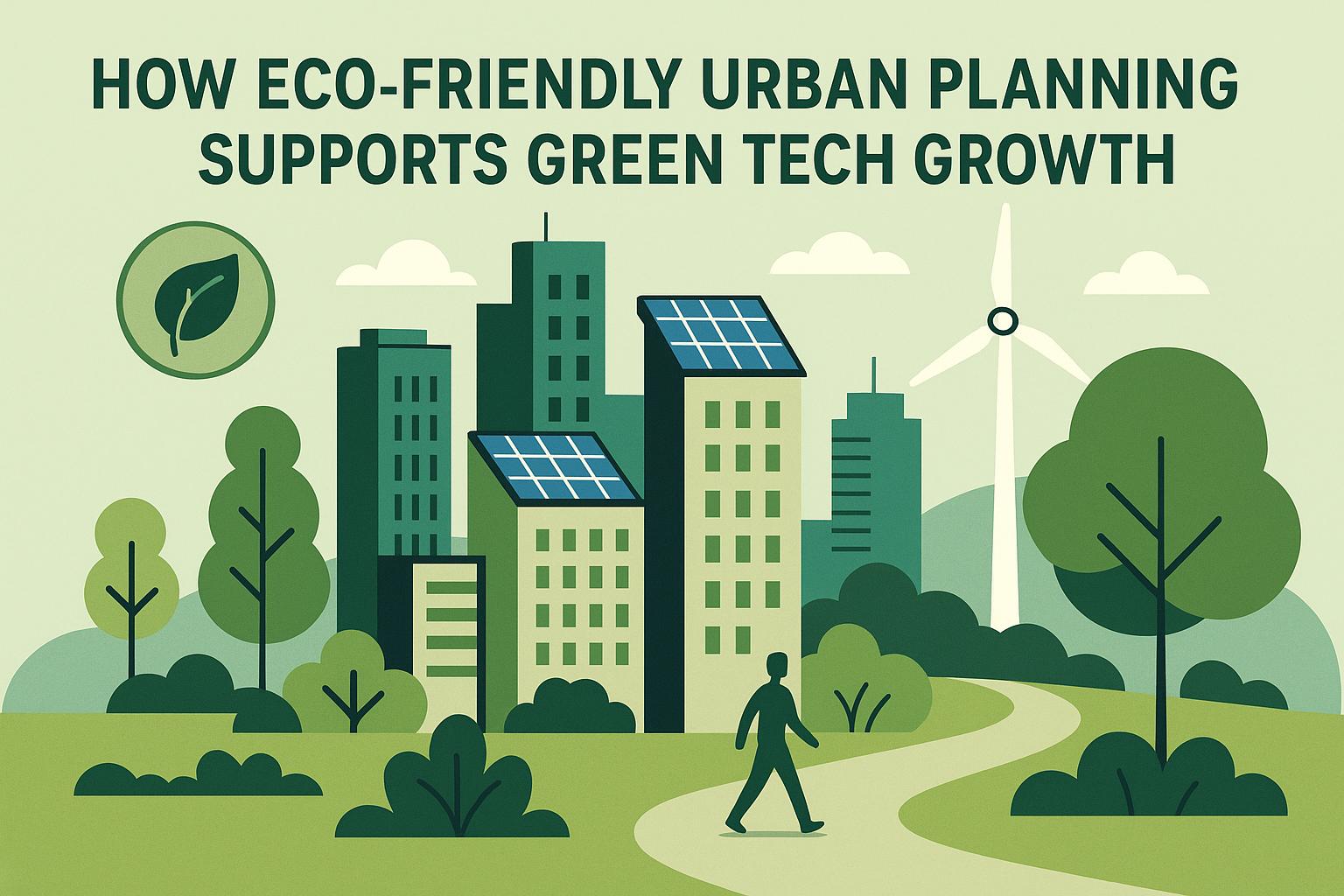
The advancement of green technologies is essential to the success of eco-friendly urban planning. Innovations such as solar panels, wind turbines, and smart grids play a pivotal role in enhancing energy efficiency in cities. Solar panels, for instance, can be installed on building rooftops to harness solar energy, thereby reducing dependence on non-renewable energy sources.
Incorporating wind turbines provides an additional renewable energy source, particularly for cities located in regions with suitable wind conditions. These turbines convert wind energy into electricity, offering a clean and sustainable power alternative.
Furthermore, smart grids facilitate the efficient distribution and use of electricity, optimizing energy consumption and minimizing waste. The implementation of smart grid technology involves the use of sensors and automated systems to monitor energy usage patterns and adjust electricity distribution accordingly. This ensures that energy is not wasted and that demand is met efficiently. For a deeper insight into the potential of smart grids, you can explore resources provided by the U.S. Department of Energy’s Office of Energy Efficiency & Renewable Energy.
Benefits to Urban Populations
The implementation of eco-friendly urban planning and green technologies offers numerous benefits to urban populations. Improved air quality resulting from reduced emissions is one immediate advantage. This leads to better public health outcomes and a reduction in respiratory diseases. Lower levels of air pollution can decrease the prevalence of conditions such as asthma and chronic bronchitis.
Additionally, enhanced green spaces provide increased recreational opportunities and promote mental well-being among residents. These areas afford urban dwellers a chance to connect with nature, which is shown to have positive effects on mental health, reducing stress and improving mood. Green urban environments also foster social interaction, enhancing community ties and collective resilience.
Moreover, economic benefits arise from reduced utility costs and the creation of green jobs. In the long run, investments in renewable energy and energy-efficient infrastructure can lead to substantial financial savings. Cities can reallocate these savings to further community development or service enhancements. Additionally, the burgeoning sector of green industries provides job opportunities in renewable energy, sustainable construction, and environmental restoration, supporting diversified economic growth.
Conclusion
In conclusion, eco-friendly urban planning is instrumental in fostering the growth and integration of green technologies within cities. By prioritizing sustainable practices and leveraging innovative technologies, cities can enhance environmental health, improve quality of life for residents, and support economic advancement. As urban areas continue to expand, the importance of eco-friendly planning and green technologies will only increase, making them central to future urban development strategies. Urban planners and policymakers must collaborate to implement and advocate for these sustainable practices, ensuring that cities of the future are both livable and sustainable, balancing economic ambitions with environmental stewardship. Together, these efforts can create urban spaces that are resilient, adaptable, and prepared for the challenges of tomorrow.