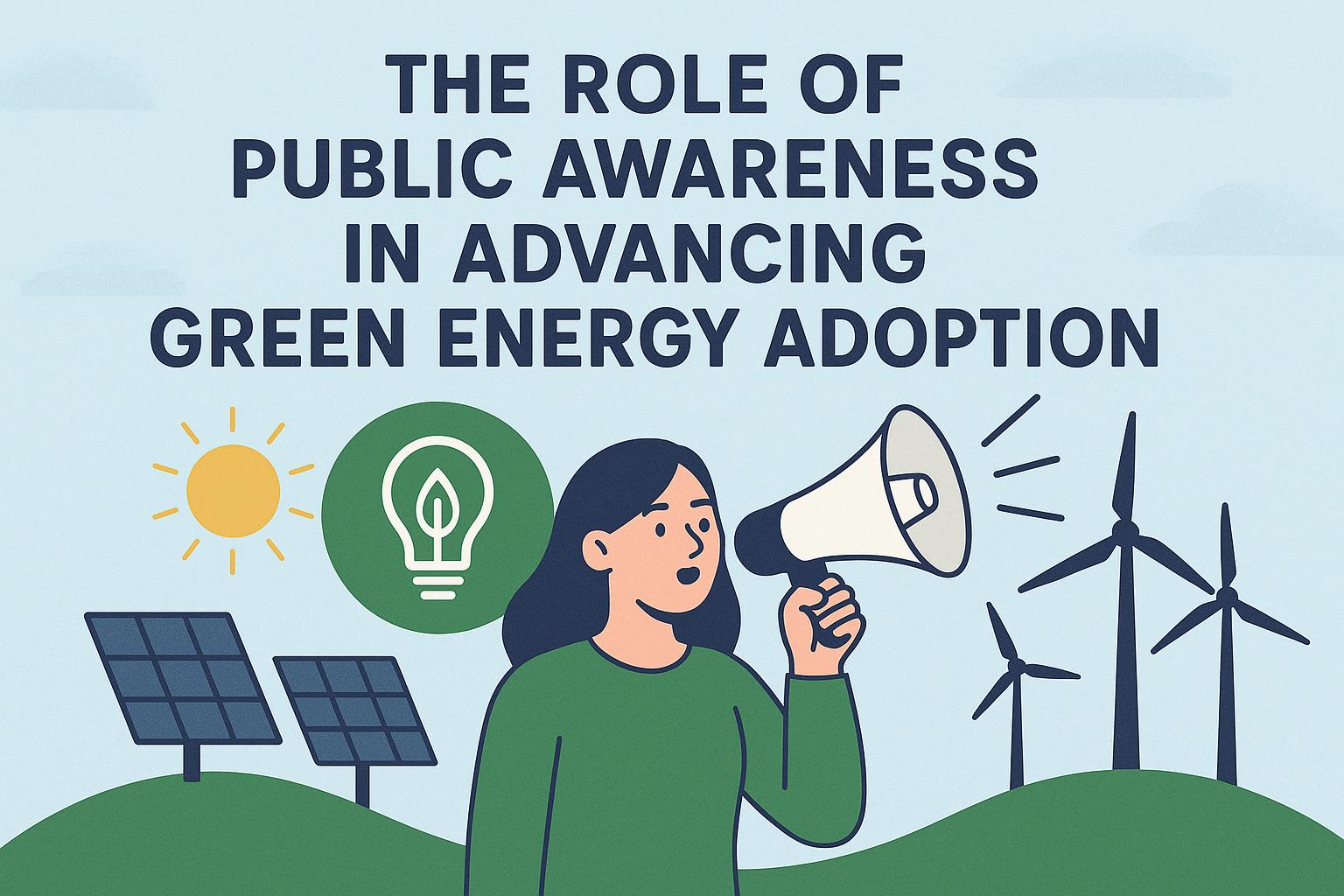
The Importance of Public Awareness in Green Energy Adoption
Public awareness plays a crucial role in the broader adoption of green energy technologies. As the world grapples with the reality of climate change, transitioning from fossil fuels to renewable energy sources becomes ever more pressing. This article examines the impact of public knowledge and understanding on the acceptance and implementation of green energy solutions.
Understanding Green Energy
Green energy refers to energy generated from natural sources such as sunlight, wind, rain, tides, and geothermal heat. These energy sources are renewable and have a minimal environmental impact compared to traditional fossil fuels. Increased awareness of these benefits can significantly drive the shift toward sustainable energy solutions.
By embracing green energy, communities can reduce their carbon footprint while promoting technological innovation and energy independence. The process of harnessing renewable resources contributes not only to environmental preservation but also to economic development. As more people become informed about these advantages, the demand for renewable energy solutions is expected to rise, influencing both supply chains and investment in green technologies.
The Effect of Public Perception
Public perception can significantly influence policy decisions and market dynamics. When the general public is well-informed about the advantages and potential of green energy, it creates a favorable environment for policymakers to implement supportive legislation and incentives. Moreover, educated consumers are more likely to support businesses and technologies that prioritize sustainable energy practices.
Governments and organizations that prioritize public perception often see increased participation from citizens in green initiatives. This participation can manifest in various forms, including the adoption of solar panels at home, support for wind energy projects in local communities, and advocacy for pro-environment policies. Therefore, public perception is not just a reflection of awareness but a powerful driver of tangible change in energy adoption and usage patterns.
Educational Campaigns and Their Impact
Educational campaigns are instrumental in enhancing public knowledge about green energy. By leveraging various media platforms, these campaigns can effectively disseminate information that demystifies renewable energy technologies. For instance, community workshops, online resources, and informational pamphlets can illuminate how solar panels, wind turbines, and other systems operate and contribute to reducing carbon footprints.
Such educational campaigns often employ a range of media to reach diverse audiences. Schools and universities may incorporate green energy topics into their curricula, while community centers might host events to demonstrate simple, energy-efficient practices. Social media campaigns can engage younger audiences, spreading crucial messages about sustainability and personal responsibility. The goal is to normalize green energy adoption until it becomes a staple of everyday life for all individuals.
The Role of Media and Influencers
Media outlets and social media influencers play a pivotal role in shaping public opinion. By highlighting successful case studies and providing coverage of new technological advancements, media can create a narrative that promotes the benefits of adopting green energy solutions. Influencers, with their substantial reach, can further amplify these messages, bridging the information gap and encouraging consumer behavior that aligns with sustainable practices.
News articles, television programs, and documentaries provide platforms to educate the public on the benefits and advancements in the renewable energy sector. By showcasing stories of communities that have thrived through the adoption of green energy, media outlets contribute to altering public perception positively. Additionally, influencers, particularly those with a focus on environmental issues, have the power to influence lifestyle changes among their followers by advocating for renewable energy and sustainable practices.
Challenges in Raising Awareness
Despite the numerous benefits, promoting public awareness of green energy faces several challenges. One significant hurdle is misinformation or a general lack of understanding about the feasibility and economics of renewable energy projects. Overcoming these barriers requires concerted efforts from governments, educators, businesses, and community leaders.
Additionally, language and accessibility can impede efforts to inform diverse audiences. Crafting clear and concise messages that are accessible to all, irrespective of their background, is essential for widespread awareness. The diversity in educational levels, language proficiencies, and internet access requires tailored approaches to effectively reach all societal segments.
Another challenge is overcoming existing skepticism and resistance to change, particularly in regions reliant on fossil fuel industries. Transitioning to renewable energy can be perceived as threatening to local economies, leading to opposition. Awareness initiatives must address these concerns, often through demonstrating the potential for job creation and economic diversification within the renewable energy sector.
Strategies for Effective Awareness Initiatives
Effective public awareness campaigns should be grounded in transparency and factual information. Engaging stakeholders from various sectors—whether it be educational institutions, private corporations, or non-profit organizations—can lend credibility and enhance outreach efforts. Additionally, incorporating interactive elements like workshops and hands-on demonstrations can illustrate the tangible benefits of green energy solutions.
To ensure success, these initiatives must not only inform but also inspire action. Encouraging active participation in renewable energy projects, such as community solar programs or local wind farm initiatives, can bridge the gap between awareness and adoption. Leveraging technology to create engaging digital content, such as virtual reality simulations or interactive apps, can also enhance understanding and acceptance.
Ultimately, raising public awareness is not just about informing the populace but empowering them to make informed decisions that foster a sustainable future. By building a well-informed society, we pave the way for meaningful advancements in green energy adoption. As more individuals understand the importance and benefits of renewable energies, the collective effort towards a cleaner, more sustainable world becomes a tangible reality. In turn, these initiatives contribute to mitigating climate change impacts and supporting global environmental goals, creating a healthier planet for future generations.