Understanding Smart Meters
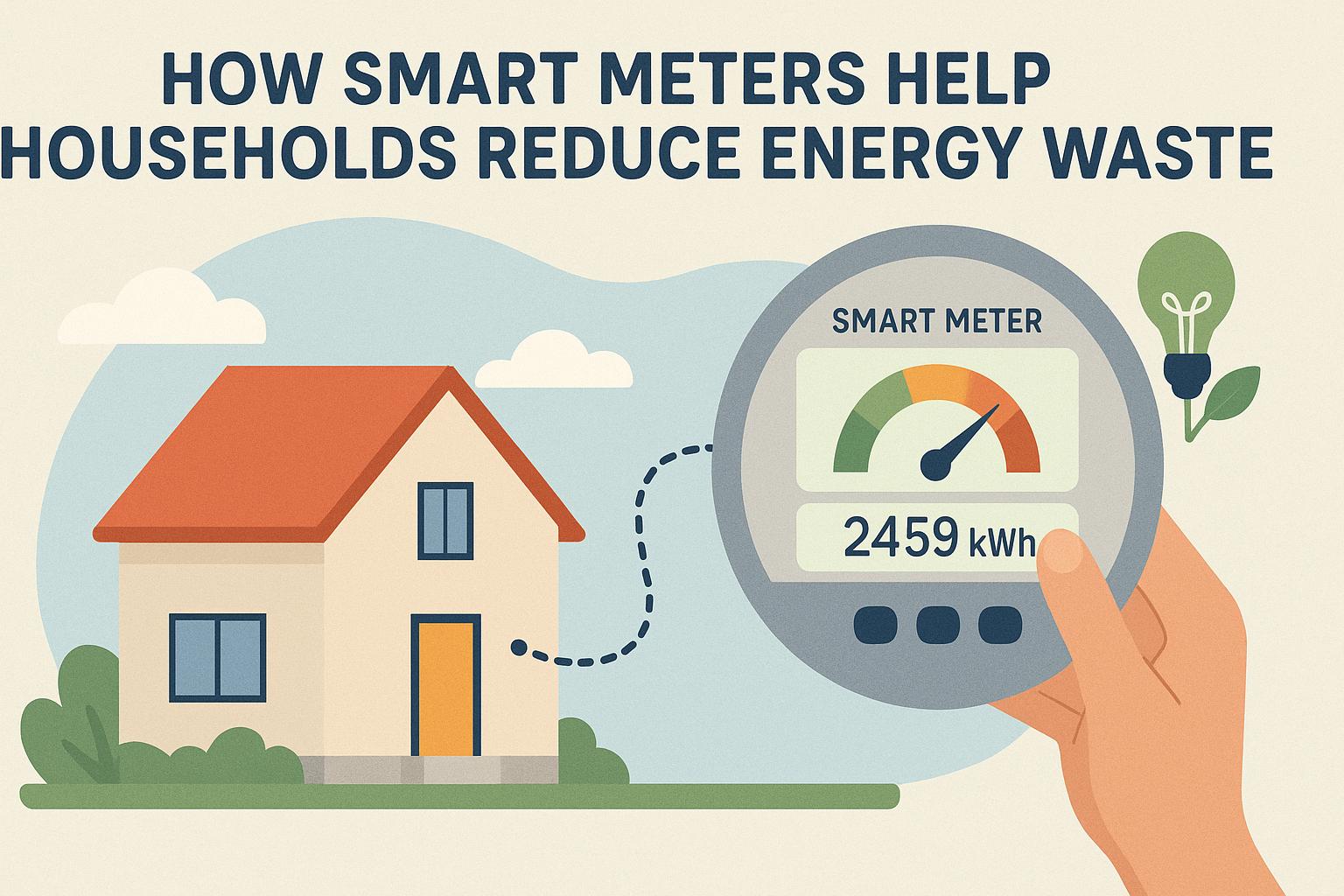
Smart meters represent a major advancement in the way households approach and manage their energy consumption. These innovative devices have been designed to provide real-time insights into usage patterns, which empowers consumers to make more informed decisions concerning their electricity habits. In contrast to traditional meters, which only offer a snapshot of energy consumption over time, smart meters deliver continuous data, enabling a granular understanding of how energy is being used at any given moment.
Real-Time Energy Monitoring
An outstanding feature of smart meters is the provision of real-time energy data. This functionality allows consumers to closely examine their consumption patterns throughout the day, week, or month. By offering immediate feedback, smart meters present an opportunity for users to identify periods when energy use spikes inexplicably and take corrective action. For instance, a household might observe an unexpected increase in energy use during the afternoons. Upon investigation, they might trace it back to an old appliance that requires more power to operate efficiently. By pinpointing such inefficiencies, homeowners can take proactive steps, whether it’s repairing, replacing, or merely altering the usage times of the appliance, thereby optimizing their overall energy consumption and minimizing wastage.
Incentivizing Energy Conservation
Smart meters pave the way not just for personal energy management, but also for the broader integration of intelligent utility pricing strategies. Dynamic pricing is one such model facilitated by the data smart meters provide. Under this system, the cost of electricity can vary based on the time of day and the current demand on the network. For example, electricity rates may be higher during the early evening when many people are returning home from work and tend to use more energy, and lower late at night when the demand diminishes. By adopting these pricing models, utility companies incentivize consumers to adjust their energy-use habits. Households might choose to operate energy-heavy machines, such as dishwashers or washing machines, during off-peak hours when rates are cheaper, thus aligning their usage with cost-saving opportunities. This adaptability benefits individual consumers financially while also contributing to a more balanced and efficient energy supply across the grid.
Improved Billing Accuracy
Conventional energy billing often relies on estimates that do not always accurately reflect a household’s actual consumption. This can occasionally lead to overestimated bills, causing consumers to overpay for their electricity. Smart meters transform this landscape by providing precise, real-time consumption data to utility companies. The result is a highly accurate billing process that reflects actual energy use. For consumers, this accuracy means greater confidence in their billing statements and an enhanced ability to budget based on true consumption rather than estimates. Moreover, if there is an unusual spike in energy bills, the detailed data available allows consumers to scrutinize this usage more thoroughly, quickly identifying any significant changes or anomalies in their consumption habits that might warrant further investigation, such as a malfunctioning appliance or a change in household routines.
Supporting Renewable Energy Integration
A notable advantage of adopting smart meters is their invaluable role in the integration of renewable energy sources into residential energy strategies. As more households turn to solutions like solar panels or wind turbines, understanding when to utilize stored or generated energy becomes critical. Smart meters deliver the real-time data necessary to align household energy consumption with the availability of renewable energy. For instance, if a household installs solar panels, smart meters can indicate when these panels are generating the most electricity—typically in the middle of the day when sunlight is abundant. By scheduling high-energy-consuming activities, like running an electric vehicle charger or using a dryer, during these peak production times, households can maximize their use of green energy, reducing reliance on grid-supplied electricity, often sourced from nonrenewable origins. This synergy not only amplifies the personal sustainability efforts of individuals but also supports broader environmental goals by fostering greater use of renewable resources.
In essence, smart meters are instrumental in reducing energy waste among households. The suite of benefits they provide includes improved energy monitoring, precise billing, and a system that supports dynamic pricing—each aspect contributing to more conscious and optimized energy use. Additionally, their role in promoting the use of renewable energy resources helps place consumers at the forefront of the transition towards a more sustainable energy framework. For those interested in implementing smart meters and exploring the multitude of benefits they present, it is advisable to contact local utility providers for detailed information on installation, usage, and potential cost savings.