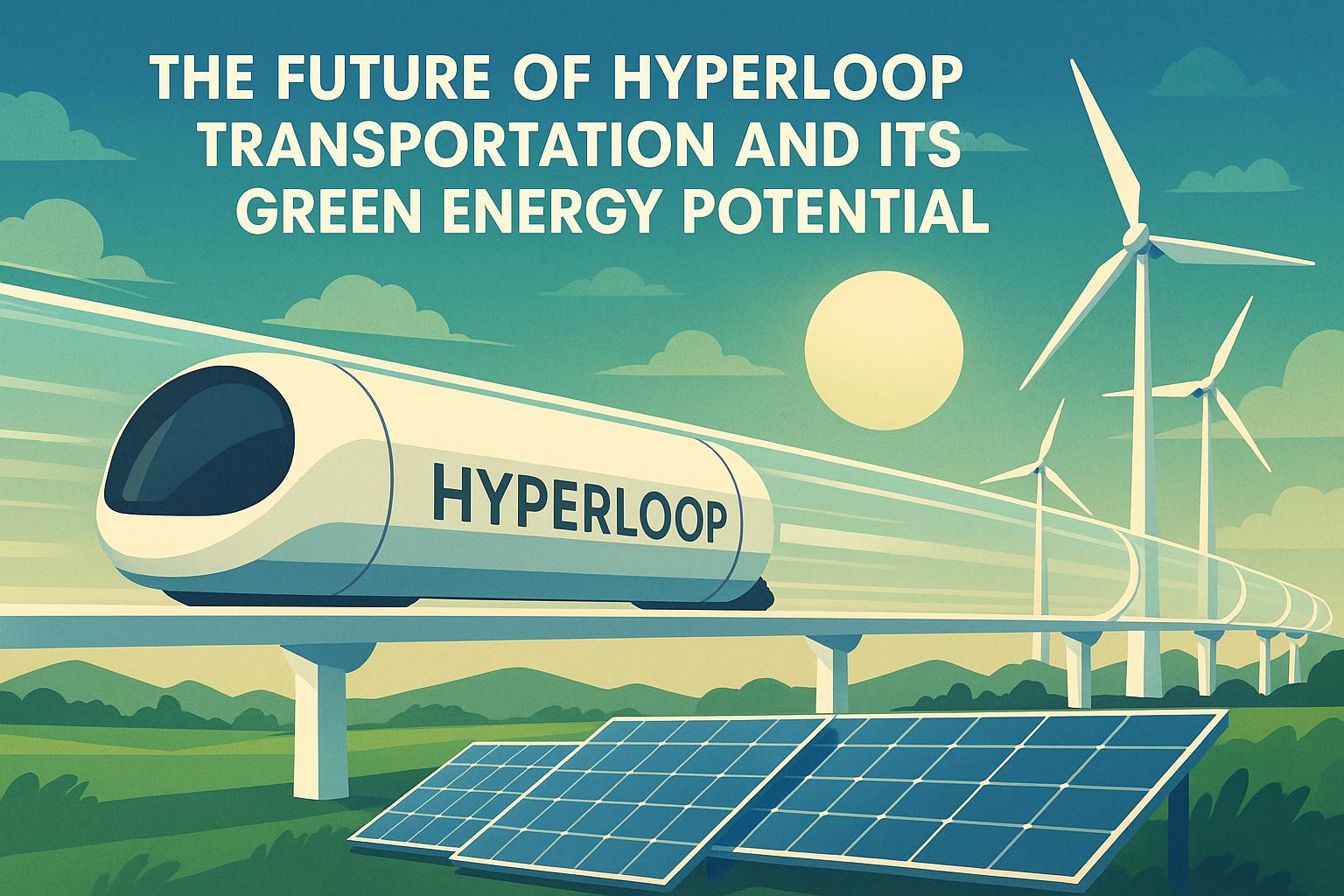
Introduction to Hyperloop Transportation
The concept of hyperloop transportation introduces a new frontier in the realm of travel, symbolizing a shift towards more efficient and rapid transit systems. First brought to the public eye by innovator Elon Musk, this futuristic mode of transport envisions passenger pods traveling at ultra-high speeds within partially vacuumed tubes. By achieving such velocities, hyperloop technology holds the promise of drastically slashing travel times between key cities, positioning itself as a compelling alternative to conventional rail and air transportation methods.
Understanding the Mechanics of Hyperloop
The operational success of hyperloop technology hinges on a fundamental understanding of its components and mechanics. Central to its function is the transit of pods through tubes where air pressure is markedly reduced to create a low-resistance environment. By operating within a partial vacuum, these pods experience minimal air friction, a factor that significantly contributes to the potential for strikingly high speeds.
Magnetic Levitation, commonly referred to as maglev, is a critical element across various hyperloop proposals. This technology facilitates the lifting of pods from the track, thereby eliminating any direct contact with the tube surface. The removal of contact results in reduced friction, paving the way for speeds that can exceed 700 mph (approximately 1,100 km/h). Such speeds not only surpass those of high-speed rail but bring a new level of efficiency and swiftness that could redefine long-distance travel.
Current Developments and Challenges
The race to perfect hyperloop technology has attracted significant interest from various companies, each contributing unique insights and innovative approaches to the field. Notable among them are Virgin Hyperloop and Hyperloop Transportation Technologies (HyperloopTT), both having reached important testing milestones. Despite these advancements, the journey from concept to widespread implementation is fraught with obstacles spanning engineering precision, regulatory approval, and fiscal viability.
Infrastructure requirements for hyperloop systems present a formidable challenge, necessitating extensive investment along with collaboration with governmental bodies. The scope of such infrastructure includes right-of-way acquisition, tube construction, and station design, all of which require meticulous planning and resource allocation. Furthermore, the establishment and enforcement of rigorous safety standards are paramount to ensure passenger protection and public trust in this nascent technology.
Engineering and Regulatory Hurdles must be navigated with precision. The technical demands of maintaining a partial vacuum over long distances, coupled with the need for reliability across all system components, require groundbreaking engineering solutions. Regulation presents another layer of complexity, as existing frameworks and standards must evolve to encompass this novel form of transportation.
For those interested in delving deeper into these topics, authoritative sources such as Virgin Hyperloop’s official site and HyperloopTT’s site offer comprehensive information on ongoing developments in hyperloop technology.
Green Energy Potential of Hyperloop
Environmental Benefits
In addition to its speed and efficiency, hyperloop technology embodies a significant potential for environmental stewardship within the transportation sector. Through the implementation of electric propulsion systems that draw energy from renewable sources, hyperloop reduces the dependency on fossil fuels that characterizes many current modes of transportation. The terrestrial configuration of hyperloop tubes presents a distinctive opportunity for sustainable energy integration, as solar panels can be installed along these structures. This integration serves a dual purpose: powering the hyperloop system and contributing excess energy to national grids.
Environmental Impact Reduction of hyperloop systems extends beyond operational energy use. The design and execution of these systems aspire to minimize ecological disruption and support biodiversity. Thoughtful planning in route selection and construction processes ensures that ecosystems are respected and preserved to the greatest extent possible.
Comparative Efficiency
The efficiency of hyperloop technology stands out starkly when juxtaposed with traditional transportation modes such as airplanes and trains. The low-pressure environment advantages the system by reducing the energy demand typically consumed to overcome aerodynamic drag. Furthermore, the absence of rolling resistance due to magnetic levitation aligns with efficiency measures, optimizing energy use even further in comparison to diesel-powered trains.
The streamlined design and rapid transit times not only contribute to energy savings but also bolster overall system efficiency, ultimately providing more sustainable and quick options for passengers seeking long-distance travel solutions.
Long-Term Sustainability
A critical aspect of hyperloop’s potential hinges on its long-term sustainability, which is inextricably linked to the materials used in construction and operations. To truly realize the green promises of hyperloop, emphasis must be placed on the sourcing of eco-friendly materials for tube and station construction. Additionally, utilizing environmentally responsible methods throughout every phase of the hyperloop lifecycle— from planning and building to operation and maintenance— is fundamental to fulfilling its sustainability commitment.
Sustainable Practices enhance the environmental advantages of hyperloop systems, ensuring they align with broader goals for reducing carbon footprints and mitigating climate change. This alignment is not only relevant for current implementations but serves as a guiding framework for future advancements within the transportation sector.
Conclusion
Hyperloop transportation encapsulates the intersection of groundbreaking technology and ecological responsibility, epitomizing a revolutionary leap towards faster, cleaner, and more efficient travel modalities. Although the technology remains in a developmental phase, its potential to transform long-distance travel is compelling, offering an appealing proposition that marries speed with sustainability.
The path forward demands a concerted focus on integrating renewable energy sources and sustainable practices, facilitating a successful transition from concept to reality. Such integration is essential to assure the enduring viability and acceptance of hyperloop systems in the coming years. As these systems advance, sustained innovation and cooperation among engineers, policymakers, and environmental stakeholders will be pivotal in shaping the future landscape of hyperloop transportation, enabling a paradigm shift in how we envision and implement modern transit networks.