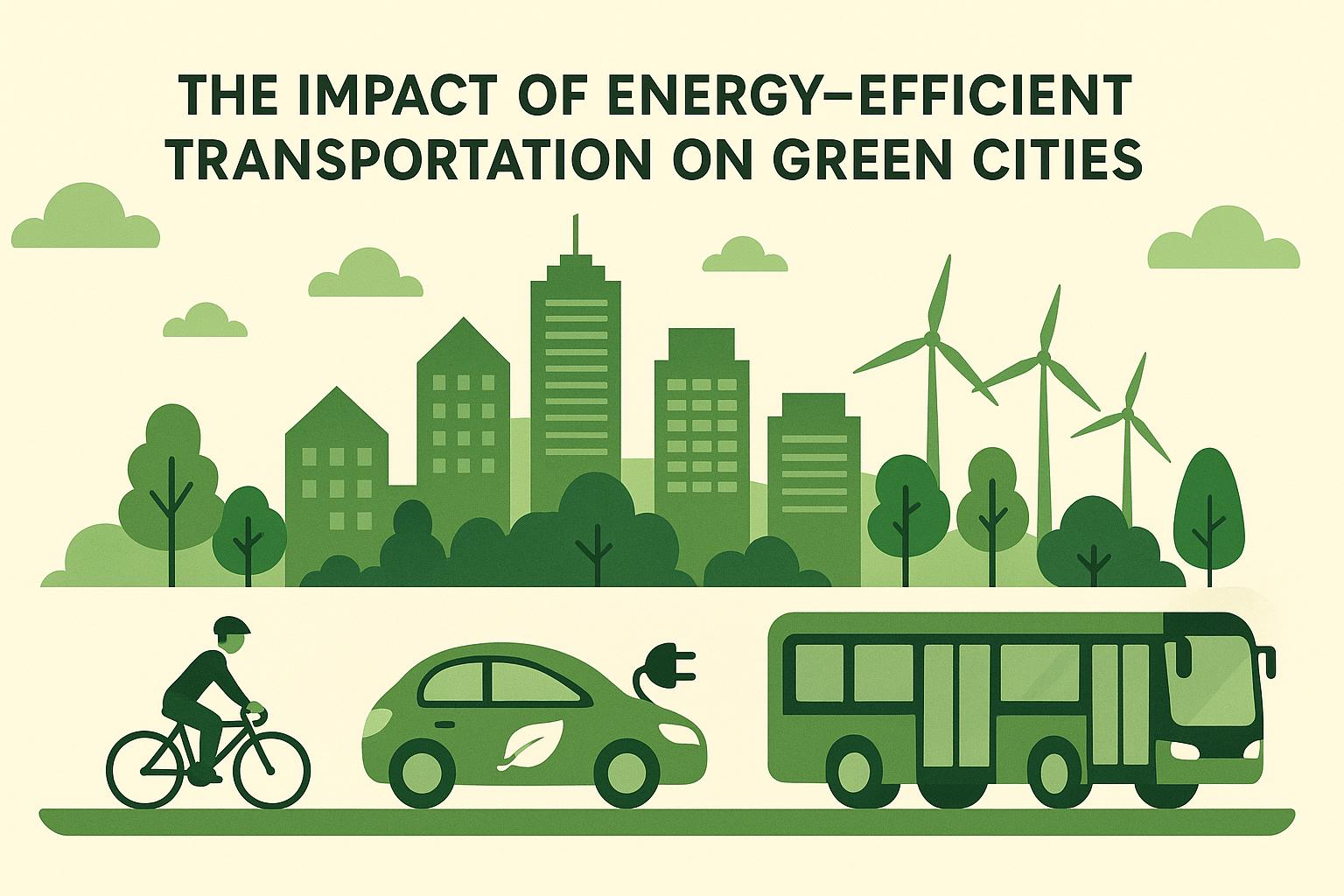
The Role of Energy-Efficient Transportation in Urban Sustainability
Urban areas around the world are increasingly recognizing the importance of incorporating sustainable practices to ensure both environmental and economic health. A crucial element in this shift is the implementation of energy-efficient transportation systems. As cities continue to grow, the integration of sustainable transport options can significantly aid in reducing carbon footprints, thereby enhancing the overall quality of urban life. This article delves into the multifaceted benefits of energy-efficient transportation, considering various factors such as carbon emission reduction, air quality improvement, renewable energy integration, economic growth, and social equity.
Reducing Carbon Emissions
Transportation is a significant contributor to urban carbon emissions. According to the International Energy Agency (IEA), transportation accounts for approximately 24% of direct CO2 emissions from fuel combustion. This high percentage highlights the necessity of transitioning to energy-efficient transportation methods. Electrification of the transport sector, including the adoption of electric vehicles (EVs) and the enhancement of public transit systems, presents an effective solution for mitigating these emissions. Electric vehicles, for instance, produce no tailpipe emissions. When powered by renewable energy sources, their environmental impact becomes minimal, marking a significant advancement toward sustainable urban transportation.
Enhancing Air Quality
One of the direct benefits of energy-efficient transportation is the improvement of air quality in urban settings. Traditional vehicles, which primarily run on fossil fuels, emit pollutants such as nitrogen oxides and particulate matter. These emissions contribute significantly to urban air pollution, adversely affecting public health. By adopting cleaner transportation options, such as EVs and robust public transit systems, cities can significantly minimize these harmful emissions. Consequently, this results in considerably improved air quality, fostering a healthier environment for urban residents and reducing health-related expenses.
Supporting Renewable Energy Integration
Energy-efficient transportation systems often work synergistically with renewable energy projects. For example, the increased use of electric vehicles (EVs) can support the grid demand for renewables by optimizing charging times, particularly when renewable energy is most abundant. This harmonized system allows cities to implement smart grids and urban planning approaches that effectively integrate solar and wind energy. Thus, cities can advance toward achieving a more sustainable energy infrastructure, one that not only accommodates current energy demands but also anticipates future requirements.
Promoting Economic Growth
Investment in energy-efficient transportation is a catalyst for economic growth. Public investments in infrastructure projects, such as the expansion of public transit systems and the establishment of electric charging stations, create employment opportunities and attract private investments. This economic boost is further complemented by the reduction in fossil fuel dependency, leading to substantial financial savings for individuals and municipalities alike. These savings can then be redirected toward other growth-oriented initiatives, such as education, healthcare, and further infrastructural development, promoting a diversified and robust economy.
Fostering Social Equity
Energy-efficient transportation plays a considerable role in promoting social equity by providing accessible and affordable mobility options. Urban planners can design public transit systems, cycling lanes, and pedestrian pathways to reduce transportation costs for residents, particularly benefiting individuals in lower-income communities. Furthermore, by ensuring that these systems are inclusive and accessible, cities can guarantee that all residents, irrespective of their socio-economic status, benefit from sustainable transportation initiatives. This inclusivity strengthens community ties and contributes to a more cohesive urban society.
Examples of Successful Implementation
Several cities around the world provide exemplary models of integrating energy-efficient transportation into their urban design. Oslo, Norway, has been at the forefront of the electric vehicle movement, with over 50% of new cars sold being electric. The city’s significant investment in public transit and cycling infrastructure has successfully reduced traffic congestion and environmental pollution. These developments underscore the city’s commitment to sustainable transportation.
Similarly, Singapore has implemented an efficient and extensive public transportation network. The city-state has embraced smart technologies to optimize traffic flow and reduce emissions, demonstrating substantial progress toward becoming a more eco-friendly urban area. These examples serve as valuable case studies for other cities striving to adopt sustainable transportation models.
Challenges and Considerations
Despite the clear benefits, cities must navigate a range of challenges when implementing energy-efficient transportation systems. These challenges include the necessity for substantial initial investments, the complexities of integrating new systems with existing infrastructure, and the need to cultivate public acceptance and behavioral change. Policymakers must carefully consider these factors during the planning and implementation phases to ensure the smooth and successful adoption of sustainable transportation solutions. It’s essential to engage with communities to foster understanding and support for these initiatives, thereby ensuring their long-term success.
Conclusion
The transition towards energy-efficient transportation is an essential component in the pursuit of urban sustainability. By reducing emissions, improving air quality, fostering economic growth, and promoting social equity, sustainable transportation initiatives play a crucial role in advancing urban development goals. Although there are challenges to overcome, such as integration and public acceptance, the opportunities and benefits provided by energy-efficient transportation are undeniable.
As cities continue to address transportation-related challenges, the adoption of energy-efficient solutions will be pivotal in achieving a cleaner, more equitable, and economically vibrant future. For those interested in further exploring sustainable transportation strategies, numerous reports and studies by organizations like the International Energy Agency and the World Resources Institute offer valuable insights and guidelines. Through these initiatives and continued collaboration, urban areas can evolve towards more sustainable and resilient infrastructures, meeting both current needs and future aspirations.