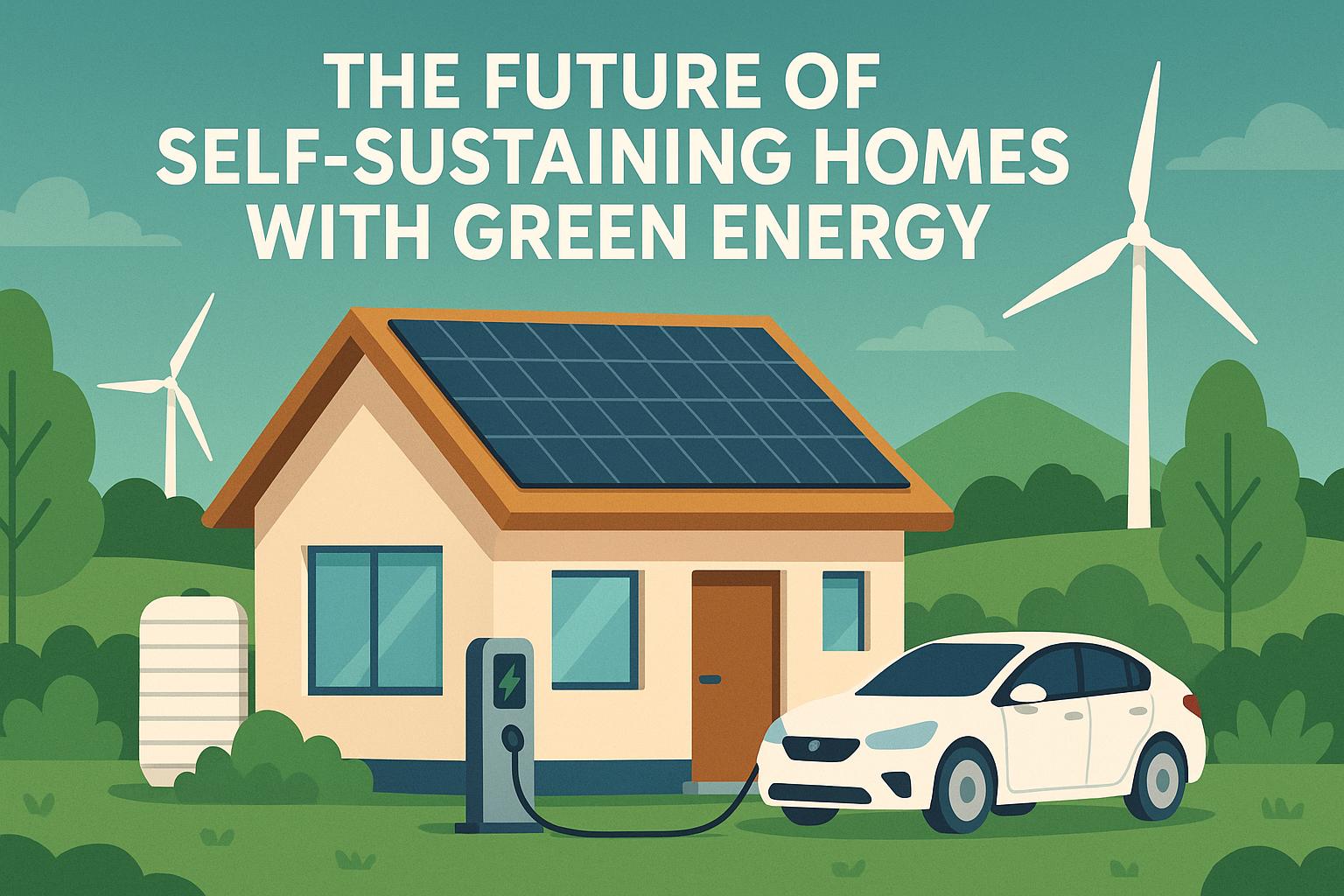
The Rise of Self-Sustaining Homes
In recent years, the concept of self-sustaining homes has garnered significant attention as concerns over climate change and energy consumption intensify. These homes, which primarily rely on green energy sources, aim to minimize reliance on traditional utilities and reduce the overall carbon footprint.
Key Components of a Self-Sustaining Home
Self-sustaining homes typically integrate various technologies and systems that harness renewable energy. The main focus is on creating an ecosystem where the home can support itself with minimal external inputs.
Solar Energy
Solar panels are a backbone of the self-sustaining home model. Photovoltaic cells capture sunlight and convert it into electricity, providing a renewable and clean energy source. The energy generated can power appliances, lighting, and even water heating systems. Innovations such as solar roof tiles have further integrated solar energy into the design of homes. Solar technology has not only advanced in terms of efficiency but also in aesthetics, blending seamlessly into modern home designs. This makes homes not just green, but also visually appealing.
Wind Energy
For locations with adequate wind conditions, small-scale wind turbines can complement solar power systems. By generating electricity during overcast days or nighttime, wind turbines ensure a stable energy supply. The integration of both wind and solar energy helps in weathering the inconsistencies in environmental conditions, thus securing a continuous power supply. Moreover, modern wind turbines are quieter and more efficient in capturing wind energy, making them suitable even for suburban settings.
Rainwater Harvesting
Collecting and storing rainwater is another critical component. This system involves capturing rainwater from roofs, filtering it, and using it for irrigation, flushing toilets, or even purified for drinking. By maximizing the use of natural water sources, homeowners can significantly reduce dependency on municipal water supplies. Additionally, rainwater harvesting systems can be integrated with smart weather forecasting technologies. This allows optimal water collection and use during dry spells, thus contributing further to sustainability.
Home Energy Storage
A reliable energy storage system is vital for self-sustaining homes. Batteries store excess energy generated from solar panels or wind turbines, providing power during periods without sun or wind. Recent advancements in battery technology, such as lithium-ion batteries, have increased storage efficiency and capacity. These batteries ensure that the home does not experience power shortages, thus maintaining efficiency and comfort. Moreover, with the advent of scalable battery systems, energy storage can be tailored to meet specific household needs.
Smart Home Systems
Smart home technology can optimize energy use by adjusting lighting, heating, and cooling based on occupancy and weather conditions. By integrating smart meters and home energy management systems, homeowners can monitor and control energy consumption in real-time. These smart systems adapt to the inhabitants’ habits, reducing unnecessary energy use and further lowering the house’s carbon footprint. Moreover, they provide detailed analytics, allowing homeowners to make informed decisions regarding their energy consumption patterns.
Economic and Environmental Benefits
Energy Independence
Self-sustaining homes significantly reduce reliance on external energy sources, resulting in decreased energy bills. Over time, the initial investment in renewable energy systems can lead to substantial cost savings. With an increase in electricity prices worldwide, having an independent energy source shields homeowners from fluctuating utility costs. Over the lifespan of these systems, the savings on energy bills often compensate for the initial outlay, making it a prudent financial decision.
Environmental Impact
By adopting renewable energy and sustainable practices, these homes contribute to a lower carbon footprint. Reducing dependency on fossil fuels helps mitigate the effects of climate change. The cumulative effect if more homes adopt such technologies could be significant, leading to less pollution and a healthier environment overall. Additionally, the development of local renewable energy markets boosts the economy, creating jobs in manufacturing, installation, and maintenance sectors.
Challenges and Considerations
Despite the numerous advantages, transitioning to a self-sustaining home involves certain challenges. The initial cost for installing renewable energy systems can be substantial, although prices have been decreasing. Furthermore, not all locations are suitable for every type of renewable energy, such as limited sunlight in certain regions or insufficient wind. It’s important for homeowners to conduct thorough feasibility studies before investing.
Homeowners must also consider the need for regular maintenance and potential technological upgrades to ensure systems operate efficiently over time. Skills for such maintenance are readily available; however, they still represent an ongoing commitment in terms of time and resources.
Looking Ahead
The future of self-sustaining homes looks promising as technology continues to advance and becomes more affordable. Policymakers and governments are increasingly incentivizing the adoption of green energy technologies. Tax credits, rebates, and grants are becoming common, helping to offset the initial costs of making homes self-sufficient.
For those interested, many resources and organizations provide information and support to transition towards a more sustainable living environment. The awareness spread through community initiatives and workshops further complements these efforts, making the transition smoother for new adopters.
To explore more about the possibilities of self-sustaining homes and available technologies, visit reliable sources that provide detailed guides and tools. The collaboration of private enterprises, governments, and the local populace can drive a significant cultural shift towards sustainability. As individuals take steps towards environmentally conscious living, the global community can collectively work towards a more sustainable future.