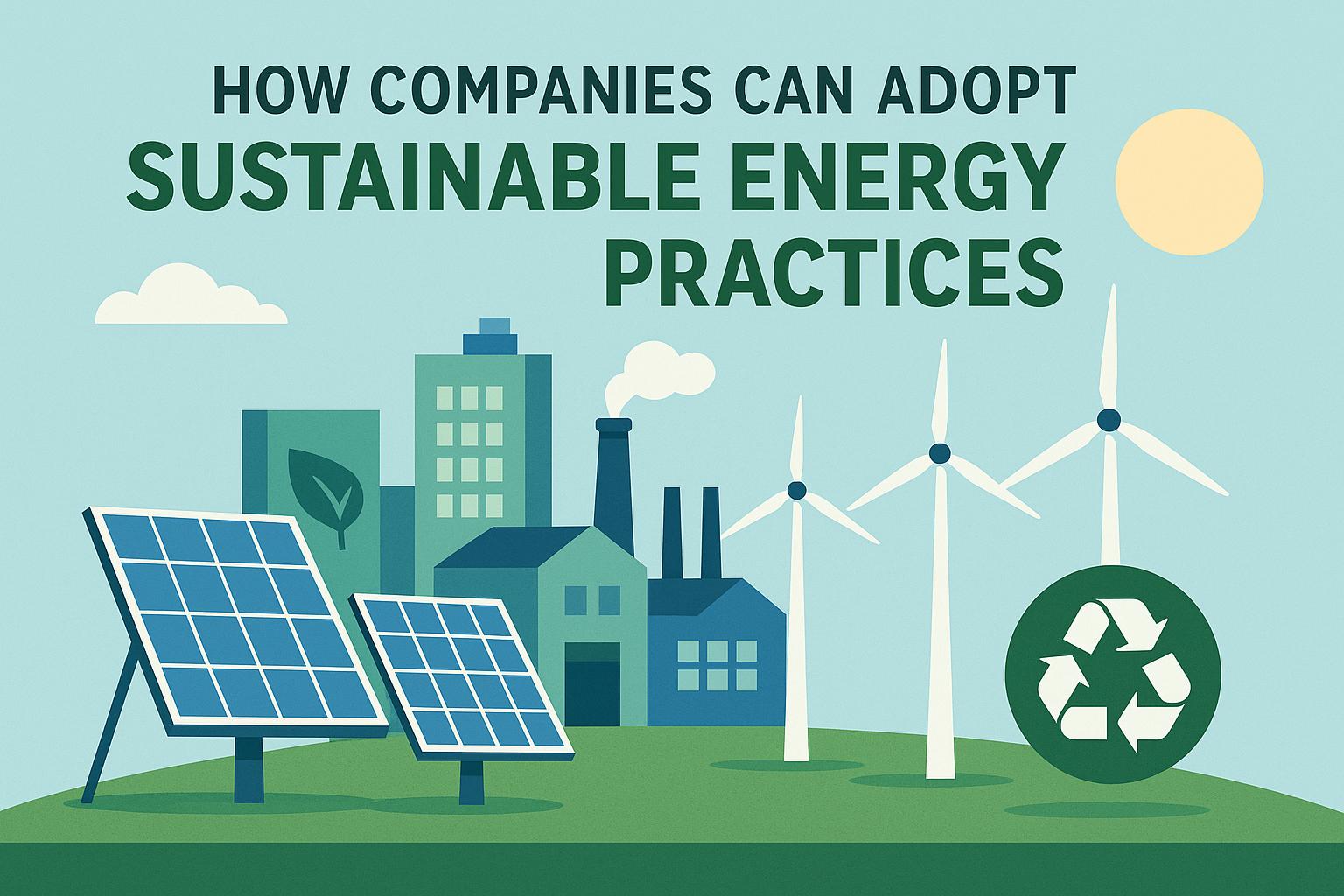
Understanding Sustainable Energy Practices
Adopting sustainable energy practices has become essential for companies aiming to lessen their carbon footprint and ensure environmental responsibility. In today’s world, where climate change and resource depletion are central global challenges, embracing sustainable practices is not just an ethical choice but a strategic business decision. By promoting renewable energy integration and enhancing energy efficiency, businesses can contribute to a broader ecological balance and achieve long-term economic benefits.
The Importance of Renewable Energy
Renewable energy sources such as solar, wind, and hydroelectric power play a substantial role in decreasing our reliance on fossil fuels, which are finite and environmentally detrimental. Transitioning to these renewable sources is crucial for reducing greenhouse gas emissions and mitigating climate change. Companies that integrate these technologies into their operations can significantly lower their carbon emissions, thereby supporting global efforts to maintain a cleaner, healthier planet.
Integrating Solar Energy
Solar energy is among the most readily accessible and deployable forms of renewable energy. By installing solar panels, businesses can harness sunlight to generate electricity, resulting in a decline in dependence on conventional power sources. The financial benefits include potential cost savings on energy bills, as solar panels can significantly reduce reliance on grid electricity. Moreover, modern advancements in solar technology have greatly improved the efficiency and affordability of solar panels. As a result, the return on investment can be realized more quickly than ever before. For businesses looking to make an impact, solar energy solutions provide an effective entry point.
Exploring Wind Power
Wind energy serves as a powerful renewable resource, particularly for companies with sufficient land to support the installation of wind turbines. Wind turbines convert the kinetic energy from wind into electricity, providing a clean and continuous power source. Although the upfront costs can be significant, advancements in technology are making wind installations more accessible. Additionally, the operational and maintenance costs tend to be lower, leading to greater long-term savings and environmental advantages. The implementation of wind energy, thus, represents an investment in a sustainable and inexhaustible resource that can transform a company’s energy landscape.
Enhancing Energy Efficiency
While renewable energy integration is a critical component of sustainable energy practices, improving energy efficiency should not be overlooked. Reducing energy waste and optimizing utilization can significantly contribute to sustainability goals. By implementing energy-efficient technologies and strategies, businesses can minimize unnecessary energy consumption, lowering both operational costs and environmental impact.
Upgrading Lighting Systems
One of the simplest yet effective ways to bolster energy efficiency is by upgrading lighting systems. Transitioning to LED lighting can result in significant energy savings, as LEDs consume far less energy compared to traditional incandescent bulbs. Additionally, LEDs have a longer lifespan, meaning reduced maintenance costs and less frequent replacements. As lighting is a component of virtually every business facility, the widespread adoption of energy-efficient lighting can lead to substantial aggregate savings.
Optimizing HVAC Systems
The heating, ventilation, and air conditioning (HVAC) systems are typically among the largest consumers of energy within a company. Therefore, optimizing HVAC efficiency is crucial. Conducting regular maintenance can prevent energy wastage, while modern upgrades, such as smart thermostats and energy management systems, can provide greater control over climate conditions, ensuring comfort without excess energy consumption. Such technologies enable automated adjustments in response to occupancy and environmental conditions, proving invaluable in reducing energy usage.
Incentives and Policies
To encourage the adoption of renewable energy and enhanced energy efficiency, many governments worldwide offer incentives to support businesses in their sustainability endeavors. Incentive programs might include tax credits, financial grants, and subsidies, making it financially feasible for companies to transition to sustainable energy practices. Staying informed about these opportunities can help businesses plan and budget for energy initiatives more effectively.
Government Programs
Government initiatives often play a critical role in facilitating the transition to sustainable energy. Various programs engineered by governmental bodies, such as the U.S. Environmental Protection Agency, provide valuable support for renewable energy projects. These initiatives can range from direct financial assistance to technical guidance, empowering businesses to innovate and lead in sustainability. Business owners are encouraged to explore available programs in their region, which can provide unexpected assistance and opportunities for growth.
Corporate Social Responsibility (CSR)
Integrating sustainable energy practices into a company’s corporate social responsibility (CSR) strategy is increasingly becoming standard practice. By demonstrating a commitment to environmental stewardship, companies not only contribute to community well-being but also enhance their corporate reputation. In today’s consumer-driven marketplace, businesses that prioritize and invest responsibly in sustainable practices can attract more customers and partners. This alignment with societal values can foster brand loyalty and open new market channels, presenting a competitive edge.
In conclusion, adopting sustainable energy practices is crucial for businesses looking to lessen their environmental impact while potentially reducing operational costs. By investing in renewable energy technologies and focusing on energy efficiency improvements, companies can play a transformative role in fostering a sustainable future. As businesses worldwide become increasingly attuned to their environmental responsibilities, adopting these practices is not just good for the planet—it makes economic sense, fostering resilience and sustainability in a rapidly evolving market landscape.