Introduction to Passive Solar Heating
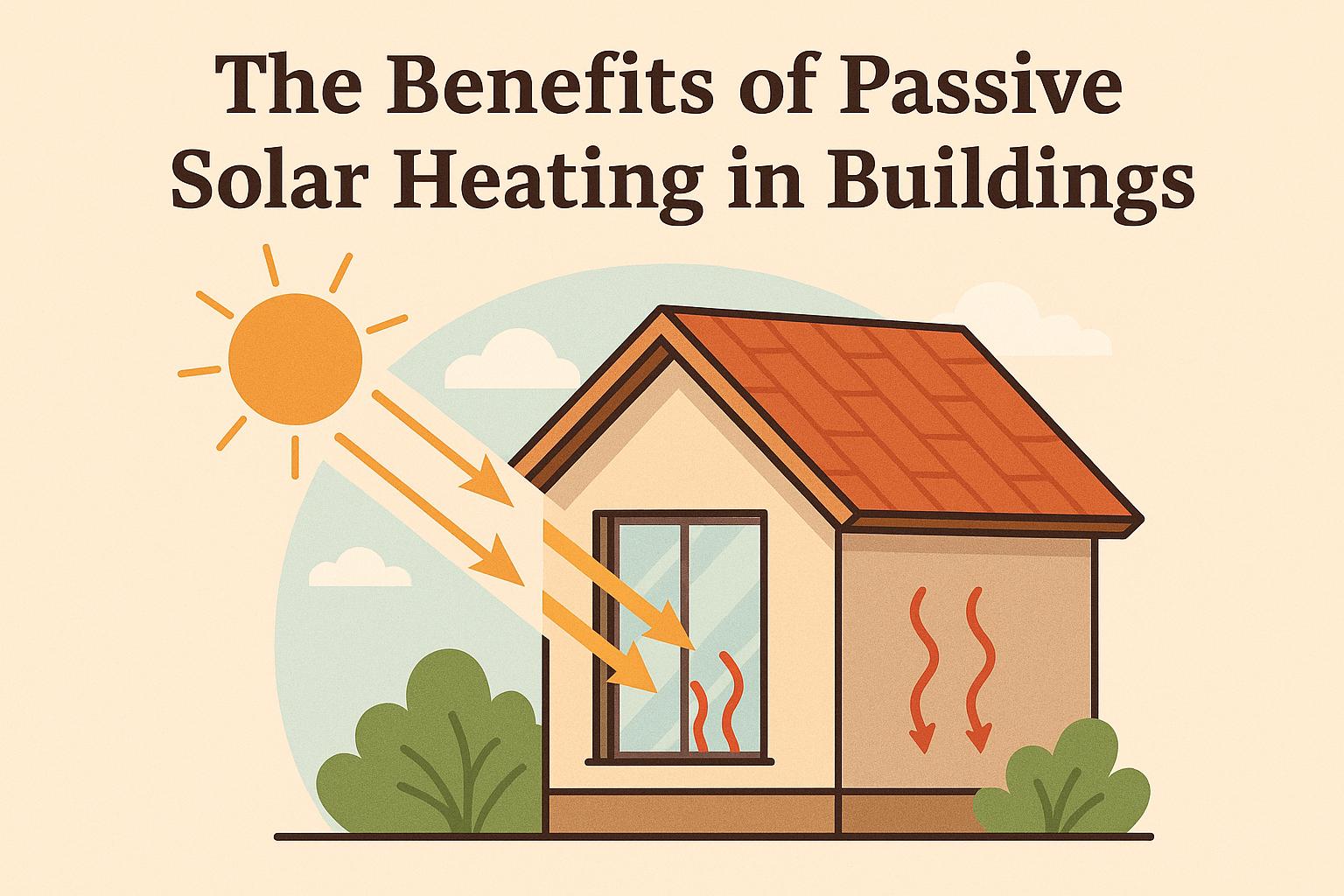
Passive solar heating is a sustainable building design technique that leverages the sun’s natural energy to heat indoor spaces without relying on mechanical systems. This method capitalizes on architectural features and materials to harness, store, and distribute solar energy, optimizing a building’s thermal performance. Essentially, passive solar design seeks to exploit the sun’s energy in the most efficient manner possible, taking advantage of natural elements and the building’s design to sustainably maintain comfortable indoor temperatures. This method is not only environmentally friendly but also economically beneficial in the long term.
How Passive Solar Heating Works
The primary principle of passive solar heating involves optimizing building orientation, window placement, and material selection to naturally collect and retain heat from sunlight. By strategically positioning windows and utilizing thermal mass—materials like concrete or brick that absorb and store heat—buildings can maintain comfortable indoor temperatures throughout the day. These elements work in harmony to reduce the need for additional heating while maintaining a comfortable living or working environment.
Orientation and Window Placement
Orientation is crucial in passive solar design. Buildings are typically oriented towards the equator to maximize solar exposure. Properly sized windows on the south-facing side of the building (in the northern hemisphere) allow for optimal sunlight penetration. To prevent heat loss, high-performance glazing materials and proper insulation around windows are essential. The correct orientation ensures that the building receives adequate sunlight during the day, while strategic window placement allows sunlight to penetrate deep into the living spaces, providing warmth as well as natural lighting.
Thermal Mass
Materials with high thermal mass help stabilize indoor temperatures by absorbing excess heat during the day and releasing it when temperatures drop at night. Examples include stone, concrete, and certain ceramics. These materials are often used in floors and walls to ensure that the absorbed heat is distributed evenly throughout the space. Thermal mass acts as a buffer, storing heat when it is plentiful and releasing it into the indoor environment when needed. This reduces temperature fluctuations within the building and promotes a stable indoor climate.
Environmental Benefits
One of the most significant advantages of passive solar heating is its environmental impact. By reducing reliance on conventional heating systems powered by fossil fuels, passive solar heating decreases carbon emissions and reliance on non-renewable energy sources. Furthermore, it promotes energy efficiency, leading to reduced energy consumption overall. This approach aligns with global efforts to combat climate change, offering a practical solution that can be implemented on a wide scale.
Reduced Carbon Footprint
By harnessing the sun’s energy, buildings utilizing passive solar heating emit fewer greenhouse gases compared to those relying on traditional heating methods. This reduction contributes significantly to the fight against climate change and the effort to minimize the building sector’s environmental footprint. The adoption of passive solar heating can lead to substantial reductions in the carbon emissions associated with heating buildings, thereby playing a crucial role in achieving sustainability targets.
Energy Efficiency
Buildings designed for passive solar heating often require less artificial heating, reducing energy bills and conserving resources. For further reading on energy efficiency in buildings, the U.S. Department of Energy’s website offers valuable insights and resources. Learn More. Energy efficiency is not only about using less energy but also about maximizing the output from the energy used. Passive solar heating effectively meets both of these objectives, making it an indispensable tool in the pursuit of sustainable living.
Economic Benefits
Besides environmental advantages, passive solar heating also offers economic benefits. Though the initial design and construction might incur additional costs, the long-term savings often outweigh the initial investment. This is because reduced demand for conventional heating translates into lower energy bills, offering a return on investment that becomes apparent over time. Moreover, increased energy efficiency means buildings are often more comfortable to live in, enhancing their appeal and value.
Lower Operating Costs
With reduced dependence on mechanical heating systems, homeowners experience lower energy bills. Over time, the cumulative savings can be substantial, making the upfront investment in passive solar design financially viable. The financial aspect of this saving becomes more pronounced with rising energy costs, further enhancing the benefits of adopting passive solar strategies in building design. In essence, while there is an initial commitment in terms of time and resources, the downside is minimized by the long-lasting savings and improved thermal comfort.
Increased Property Value
Buildings with passive solar heating features often appeal to environmentally conscious buyers, increasing their market value. The prospect of reduced energy costs and sustainable living adds to the property’s attractiveness. Real estate trends increasingly show that properties designed with sustainability in mind are fetching higher prices because buyers appreciate both the cost savings and the reduced environmental impact.
Conclusion
Passive solar heating in buildings is a forward-thinking approach to sustainable construction. By considering factors like orientation, window placement, and material selection, it is possible to create energy-efficient spaces that offer both environmental and economic benefits. As awareness of climate change and environmental sustainability grows, passive solar heating is poised to become an integral element of modern building design. Its implementation is not merely a trend but a response to the pressing need for sustainable practices in construction and building management. By reducing dependency on fossil fuels and cutting energy costs, passive solar heating represents a major step in the evolution towards greener and more sustainable living environments. The emphasis on harnessing natural resources wisely and effectively aligns with broader energy conservation and sustainability goals, paving the way for healthier and more sustainable communities.