Introduction
Solar-powered water purification is increasingly being recognized as a transformative solution for addressing water scarcity and contamination in rural areas. As technological advancements continue to make solar systems more affordable and efficient, communities without access to clean water are discovering new opportunities for sustainable living. This document explores various aspects of solar-powered water purification, from its necessity to its implementation, advantages, and future prospects.
The Need for Clean Water in Rural Areas
Many rural communities around the world face significant challenges when it comes to accessing safe drinking water. Factors such as remote locations, lack of infrastructure, and limited financial resources exacerbate these issues. Contaminated water sources can lead to severe health problems, including waterborne diseases, which are particularly detrimental to children and vulnerable populations.
In many cases, the primary sources of water in rural areas are rivers, lakes, and wells that are prone to contamination due to agricultural runoff, industrial waste, and inadequate sanitation facilities. These circumstances necessitate innovative solutions that are both effective and adaptable to local contexts. The need for clean water is not just a matter of convenience; it is a fundamental requirement for health, economic development, and overall quality of life.
Solar-Powered Water Purification Systems
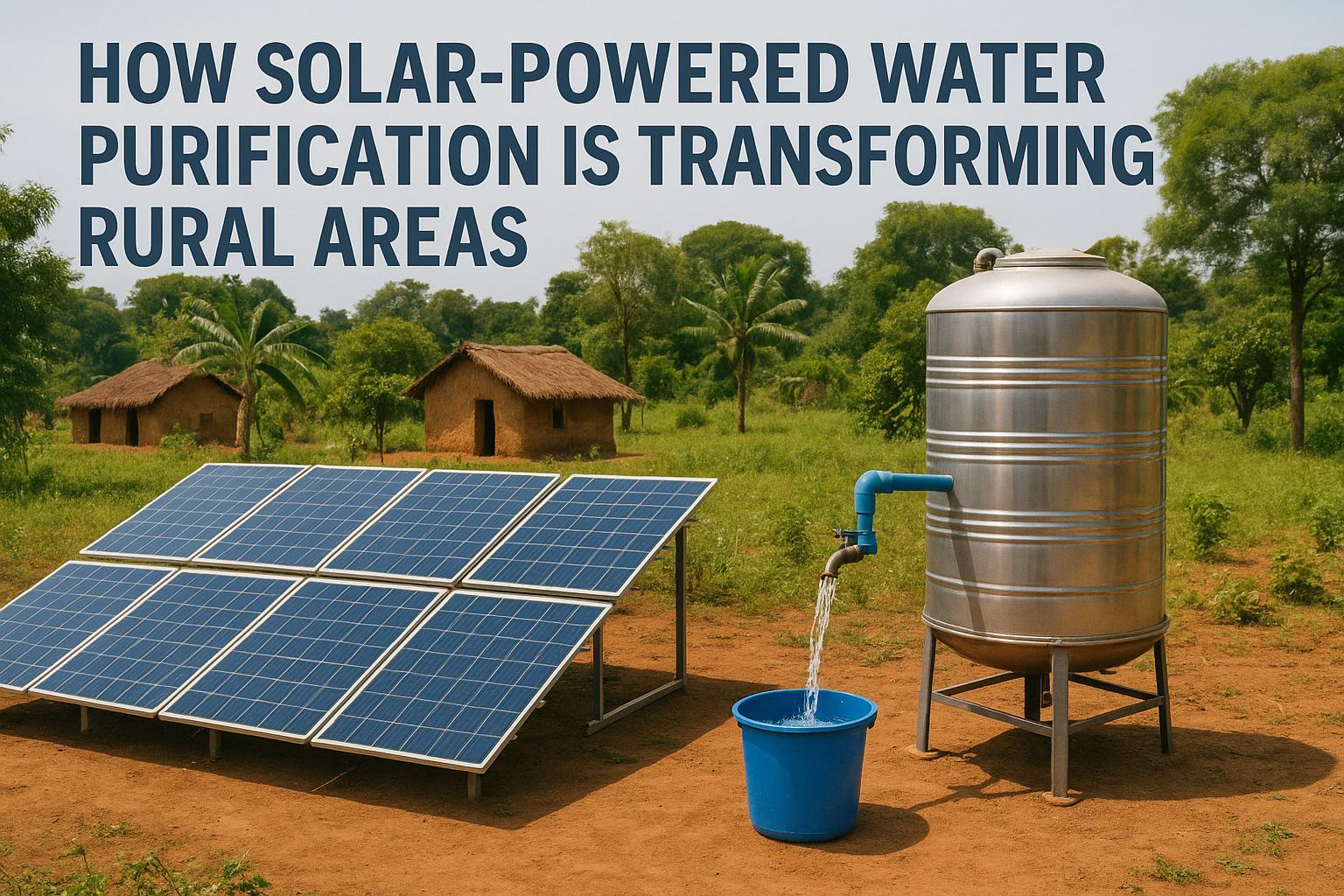
Solar-powered water purification systems utilize solar panels to capture sunlight, converting it into energy that powers water filtration and purification processes. These systems often employ methods such as reverse osmosis, ultraviolet (UV) radiation, and membrane filtration to ensure that water is safe for consumption. By using renewable energy sources, solar-powered solutions are both environmentally friendly and cost-effective in the long term.
Reverse osmosis is a process that forces water through a semi-permeable membrane, removing impurities and contaminants. UV radiation involves exposing contaminated water to ultraviolet light, effectively neutralizing bacteria and viruses. Membrane filtration employs a similar principle to reverse osmosis but is often used to target specific contaminants or heavy metals.
Advantages of Solar-Powered Purification
Cost Efficiency: Once installed, solar-powered purification systems require minimal to no operational costs compared to traditional electricity-dependent systems. This makes them ideal for low-income areas. These systems harness free sunlight, significantly decreasing reliance on costly fuel-based generators or extensive power grids.
Reliability: Solar power provides a consistent energy source, especially in sunny regions, reducing dependency on unreliable or expensive power grids. The sun is a reliable and predictable energy source in most parts of the world, providing a dependable basis for consistent water purification.
Sustainability: These systems utilize renewable energy, supporting broader efforts to reduce carbon footprints and protect environmental resources. By leveraging solar energy, communities contribute to global sustainability goals and demonstrate a commitment to environmental stewardship.
Implementation Challenges
While solar-powered water purification systems offer substantial benefits, there are challenges to their implementation. Initial setup costs and maintenance require careful planning and investment. The upfront investment for solar panels, filtration equipment, and installation can be considerable, posing a barrier for financially constrained communities.
Moreover, local communities may need training to operate and maintain these systems properly. Ensuring the sustainability of these systems in the long term requires capacity building and education for local residents who will manage and maintain the units. Community engagement and the development of local expertise are crucial for overcoming these challenges.
Another challenge involves the adaptability of systems to varying climatic conditions. While solar panels are most effective in sunny regions, their efficiency may decrease in areas with limited sunlight, requiring supplementary solutions to ensure consistent water purification.
Case Studies and Success Stories
Numerous case studies highlight the positive impact of solar-powered purification in rural regions. For example, various projects in Sub-Saharan Africa and South Asia have successfully implemented these systems, resulting in improved health outcomes and enhanced quality of life for residents.
In arid regions of Africa, solar-powered systems have been instrumental in providing reliable access to potable water, reducing the incidence of waterborne diseases. Similarly, in parts of South Asia, solar-powered purification units have delivered consistent clean water to villages, boosting school attendance and productivity as health conditions improved.
Such projects often involve collaborations between governments, non-profit organizations, and private sector partners. By working together, these stakeholders create sustainable frameworks supporting the financial and technical aspects of deploying these systems, ensuring longevity and success.
The Future of Water Purification
The continued evolution of solar technology promises further enhancements in efficiency and cost reduction, making it increasingly viable for more communities. Innovations such as more efficient photovoltaic cells and advanced filtration membranes are anticipated to drive down costs and improve performance.
As awareness grows and more stakeholders engage in this field, solar-powered water purification has the potential to play a pivotal role in achieving global water security and improving the livelihoods of rural inhabitants. Collaborative efforts will likely expand, incorporating community feedback and scientific research to refine and adapt technologies that serve varied environmental conditions and community needs.
Furthermore, the integration of smart technologies and real-time monitoring systems is set to increase the operational efficiency of solar-powered systems, facilitating timely maintenance interventions and optimizing performance.
Conclusion
Solar-powered water purification represents a significant step forward in addressing water scarcity and safety in rural areas. As technology advances and stakeholders come together to support these initiatives, the potential for positive change is immense. Investments in solar technology and infrastructure not only promise a reduction in water-related health issues but also empower communities to achieve greater self-sufficiency and economic resilience.
For additional information on solar-powered purification projects and technologies, a plethora of resources are available online through various organizations and research institutions. These entities provide valuable insights, case studies, and technical guidance that can facilitate broader adoption and inform future innovations in this vital field.