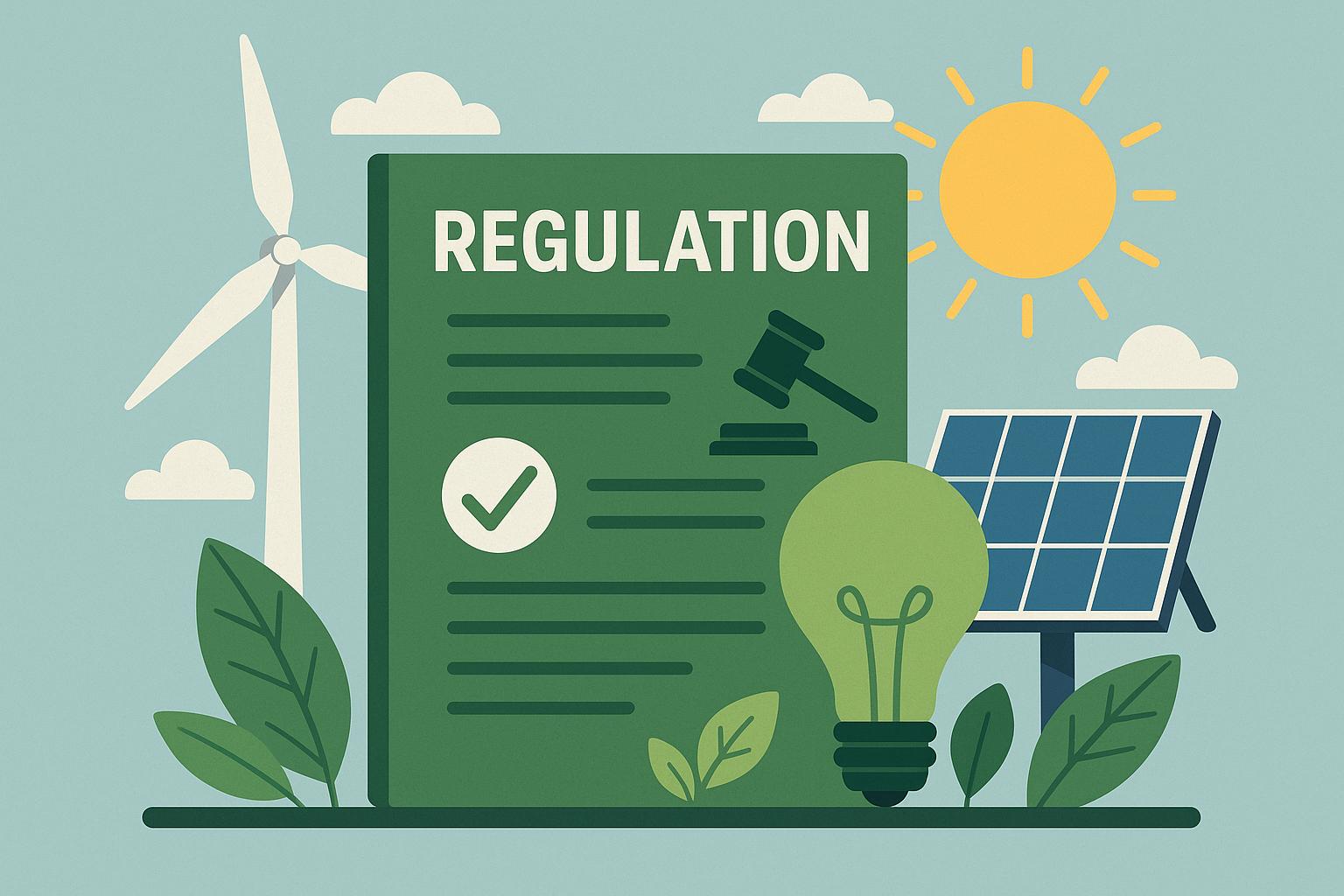
The Role of Government Regulations in Advancing Green Energy
Government regulations have become a pivotal force in driving the transition towards green energy. By establishing policies and rules, governments around the world are working to promote the development and adoption of sustainable energy sources. These efforts aim to reduce reliance on fossil fuels, decrease greenhouse gas emissions, and mitigate the impacts of climate change.
Encouraging Renewable Energy Deployment
Governments often incentivize the deployment of renewable energy technologies through a variety of mechanisms. One common approach is the implementation of feed-in tariffs, which guarantee a fixed price for electricity generated from renewable sources. This system encourages investment by providing a reliable revenue stream for energy producers. Feed-in tariffs act as a financial assurance for investors, underlining the risk-reduction aspect that is crucial in capital-intensive renewable projects, enabling more businesses to confidently venture into green energy investment.
Another method utilized by governments is the establishment of renewable portfolio standards (RPS), which require utilities to ensure that a certain percentage of the electricity they sell comes from renewable sources. These standards create a continuous demand for green energy, fostering market growth. RPS frameworks push utilities toward innovation, often leading to the enhancement of grid infrastructure to accommodate increased renewable capacities. The standards not only elevate renewable energy production but also stimulate research into more efficient storage and distribution technologies, creating a more robust and sustainable energy system.
Investment in Research and Development
Investment in research and development (R&D) forms a critical component of government efforts to advance green energy. By allocating funds to R&D programs, governments play a key role in driving innovation in the energy sector. This support can lead to breakthroughs in technology that enhance the efficiency and cost-effectiveness of renewable energy systems. Government-funded R&D initiatives often focus on breaking down existing barriers in clean energy technology, tackling issues such as the storage of wind and solar energy or the improvement of grid flexibility.
Support for New Technologies
Governments frequently provide grants and subsidies to companies and organizations engaged in the design and deployment of new energy technologies. Such support helps bridge the gap between research and commercialization, ensuring that innovative solutions reach the market. This type of financial assistance catalyzes the growth of startups and established firms alike, propelling the commercialization of cutting-edge technologies that might otherwise languish in the research phase due to high production costs or market entry barriers.
Regulatory Frameworks for Energy Efficiency
In addition to promoting renewable energy, regulations often target improvements in energy efficiency. Implementing standards for energy consumption in industries, appliances, and buildings is a common strategy. These regulations not only reduce energy use but also create opportunities for the development of technologies geared towards energy conservation. Regulations for energy efficiency provide a structured approach to energy consumption reduction, prompting the development of products and systems that are more energy-efficient. For example, building codes now frequently include provisions for energy performance, signaling to builders and manufacturers the necessity of integrating energy-saving measures from the start.
Carbon Pricing and Emission Reduction Targets
Carbon pricing is a policy mechanism employed to internalize the environmental costs of greenhouse gas emissions. By assigning a cost to carbon emissions, governments encourage businesses to invest in cleaner technologies and practices. Simultaneously, emission reduction targets set by governments serve as a roadmap for achieving lower carbon outputs, signaling a commitment to sustainable energy practices. Carbon pricing schemes, like a carbon tax or cap-and-trade systems, create economic incentives for emission reduction. Businesses are thus encouraged to innovate and adopt more efficient technology or face financial penalties, effectively turning environmental responsibility into an economic opportunity.
International Cooperation
Global collaboration and agreements, such as the Paris Agreement, play a significant role in aligning governmental efforts towards green energy. Through such accords, countries commit to ambitious targets for reducing emissions and increasing the share of renewable energy in their energy mixes. This global framework fosters cooperation and knowledge-sharing among nations, enhancing the effectiveness of individual government initiatives. International cooperation allows countries to share best practices, technological developments, and policy approaches, facilitating a more harmonized global effort in tackling climate change challenges.
The Challenges of Regulation
While government regulations are instrumental in advancing green energy, they also present challenges. Balancing economic growth with environmental sustainability requires careful policy design. Regulation must consider potential impacts on different sectors and ensure that transitions do not disproportionately affect specific communities. In particular, energy policies must be adaptable to a variety of geopolitical and economic contexts to ensure that green energy advancements do not hinder economic development or exacerbate inequality. Policymakers need to design regulations that are economically feasible, socially responsible, and environmentally effective.
For more information on specific regulations and their impact on the green energy sector, you can explore resources from International Energy Agency and International Renewable Energy Agency.