Introduction to Microgrids and Localized Green Energy
In recent years, the global energy landscape has been undergoing a significant transformation. Central to this change is the growing focus on microgrids and localized green energy solutions. As the demand for sustainable, resilient, and efficient energy systems increases, microgrids are emerging as a vital component in the transition towards a more sustainable energy future. This transformation in the energy sector is driven by the need to manage energy resources more effectively and to address the environmental and economic challenges associated with traditional power generation methods.
What are Microgrids?
Microgrids are localized energy systems that can operate independently or in conjunction with the main power grid. They are designed to provide reliable and efficient energy to a specific local area, such as a community, campus, or industrial complex. This autonomy allows microgrids to continue supplying power even during disruptions in the main grid. The ability of microgrids to function independently of the traditional grid infrastructure is a crucial advantage, especially in areas prone to natural disasters or in regions where grid reliability is a concern. For further understanding, an informative resource can be found here.
Components and Operation
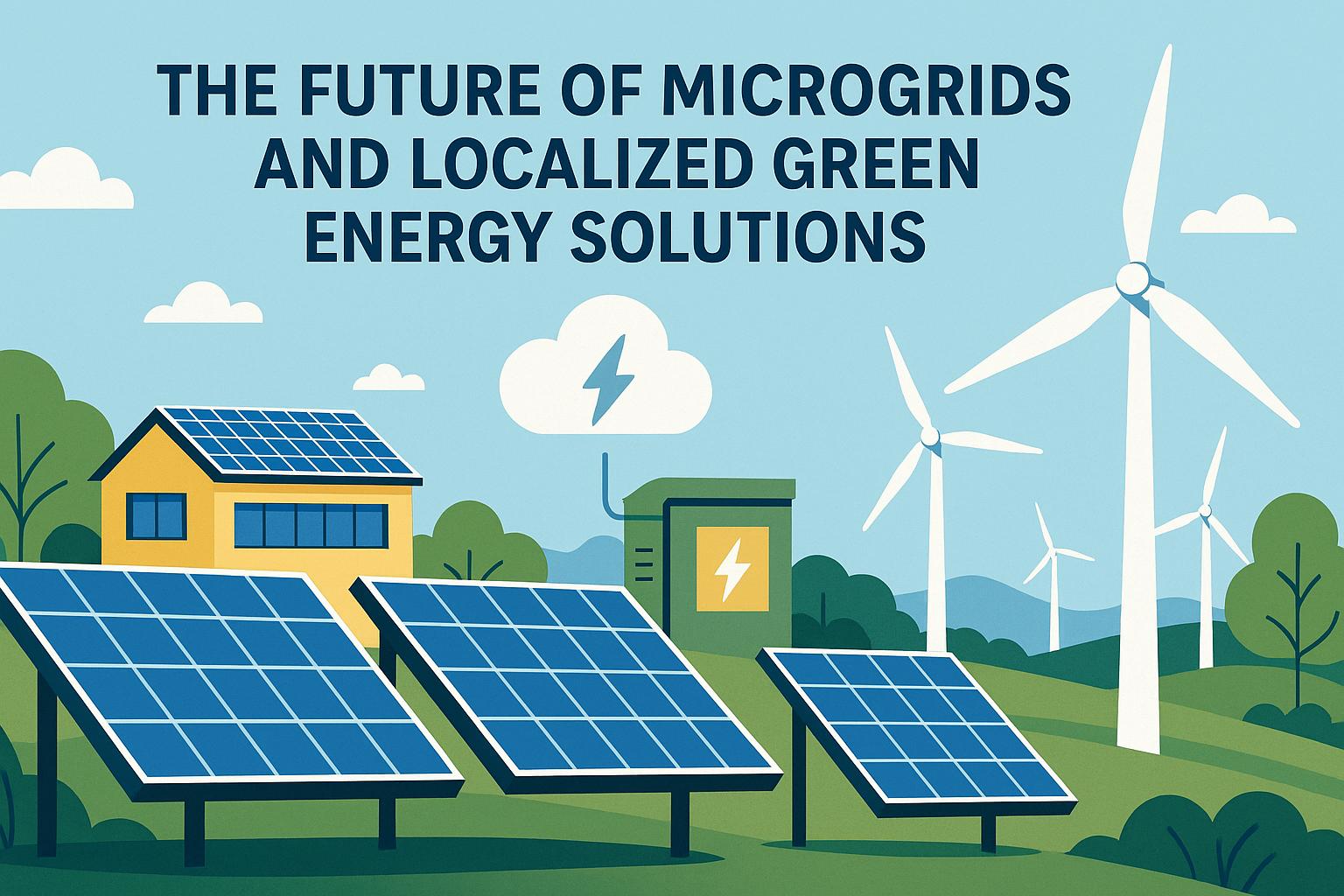
A typical microgrid consists of a distributed generation system, storage solutions, and advanced management systems. Distributed generation may include renewable sources like solar panels and wind turbines, complemented by energy storage systems such as batteries. These components work together through a sophisticated control system that manages the energy production, storage, and distribution to ensure a steady and reliable supply. The integration of these components requires an advanced control system that can efficiently balance the supply and demand within the microgrid, taking into account the variability of renewable energy sources and the consumption patterns of users.
The control system is key to the effective functioning of microgrids. By using real-time data, it can optimize the usage of energy resources, decide when to store excess energy, and when to draw energy from storage during high demand periods. This level of control and autonomy in managing energy resources not only enhances the reliability of energy supply but also maximizes the efficiency of energy usage within the microgrid.
Benefits of Localized Energy Solutions
Localized energy solutions, particularly those based on renewable resources, offer several advantages:
Increased Energy Resilience: By reducing dependence on centralized power grids, microgrids enhance energy security and resilience against external disruptions. In times of grid outages, disasters, or other emergencies, microgrids can ensure continuous power supply to critical infrastructure and communities.
Environmental Sustainability: By integrating clean energy sources, such systems contribute to reducing carbon emissions and environmental impact, aligning with global sustainability goals. The use of solar, wind, and other renewable resources reduces the reliance on fossil fuels and helps in mitigating climate change.
Economic Advantages: Localized systems can lead to cost savings by reducing transmission losses and avoiding peak demand charges, thus lowering electricity bills for consumers. Moreover, the ability to generate and manage energy locally opens up opportunities for new business models and economic empowerment within communities.
Challenges and Considerations
Despite their benefits, implementing microgrids poses certain challenges. These include regulatory hurdles, the need for technological advancements, and financial constraints. Overcoming these obstacles requires coordinated efforts between policymakers, technology providers, and financial institutions. Additionally, there is a need for developing standardized frameworks and protocols to ensure interoperability and scalability of microgrid systems across different regions and applications.
The upfront costs associated with microgrid development can be significant, presenting a barrier for widespread adoption, especially in developing regions. However, as technology advances and costs decline, microgrids are becoming more economically viable options for a broader range of applications.
The Role of Policy and Legislation
Effective policies and supportive legislation are crucial for the proliferation of microgrids and localized energy solutions. Governments must create frameworks that incentivize investment in distributed energy resources and remove regulatory barriers. Supportive policies can include tax incentives, subsidies for renewable energy projects, and clear guidelines for integrating microgrids with existing infrastructure. Additionally, policies should focus on setting standards for the interoperability and cybersecurity of microgrid systems to ensure their safe and reliable operation.
Technological Innovations and Future Prospects
Technological advancements play a pivotal role in the evolution of microgrids. Innovations in energy storage, power electronics, and smart grid technologies are critical in enhancing the efficiency and scalability of these systems. One can explore more about the advancements in energy storage technologies here.
Moreover, advancements in digital technologies, such as the Internet of Things (IoT) and artificial intelligence (AI), are enabling more intelligent and responsive energy management systems. These technologies allow for real-time monitoring and optimization of energy resources, enhancing the operational efficiency and resilience of microgrids. As these technologies become more advanced and integration becomes easier, the applications and capabilities of microgrids will expand, providing even more benefits to communities and energy users.
Emerging trends such as peer-to-peer energy trading, enabled by blockchain technology, also hold promise for the future of microgrids. These trends could further democratize energy distribution, allowing users to trade excess energy with their neighbors, thereby optimizing energy use and fostering community engagement in energy management.
Conclusion
The future of microgrids and localized green energy solutions looks promising. As technology evolves and policies become more supportive, these systems are poised to play an essential role in achieving a sustainable energy future. Their ability to provide reliable, clean, and economical energy makes them an attractive solution as the world seeks to transition to a more sustainable and resilient energy paradigm.
In conclusion, the shift towards microgrids represents not just a technological evolution but a fundamental change in how energy is generated and consumed. As cities, communities, and industries look for ways to become more resilient and environmentally responsible, microgrids offer a practical and innovative solution that aligns with our growing need for sustainability and energy independence. The continued development and implementation of microgrids will be crucial in building an energy system that meets the demands of the 21st century while supporting the global transition to low-carbon energy.