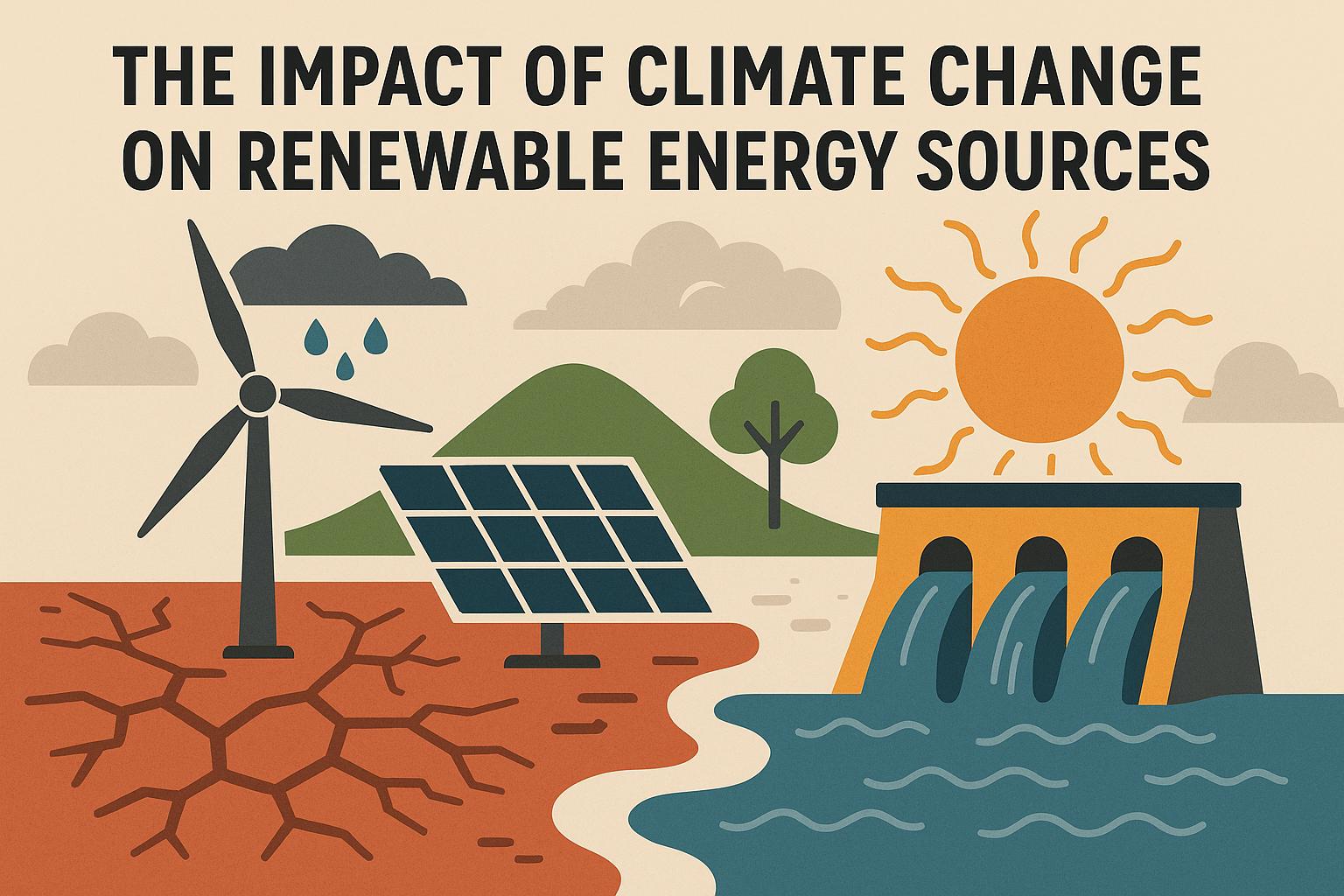
The Interplay of Climate Change and Renewable Energy Sources
Climate change represents a significant global challenge, characterized by rising temperatures, shifting weather patterns, and an increased frequency of extreme events. This phenomenon is largely driven by human activities that produce greenhouse gases, such as carbon dioxide and methane. These gases trap heat in the atmosphere, leading to global warming and a host of environmental disturbances. On the other hand, renewable energy sources are frequently cited as crucial components in efforts to mitigate the effects of climate change. Their development and deployment are essential in decreasing greenhouse gas emissions and transforming the global energy landscape into a more sustainable one.
Vulnerability to Climate Variability
Renewable energy sources, while being key solutions to reducing emissions, are not immune to the impacts of climate change themselves. Key renewable energy sources such as solar, wind, and hydropower — often considered the pillars of renewable energy production — exhibit varying degrees of vulnerability to climate variability, which can influence their efficiency and reliability.
Solar Energy: The efficiency of solar panels can be notably influenced by increased temperatures, as they are typically more efficient at lower temperatures. As global temperatures rise, the efficiency of photovoltaic cells can decrease, leading to a reduction in energy output. Moreover, changing patterns of cloud cover and atmospheric particulates, such as dust or smog, can impact solar radiation levels. This variability in solar exposure affects solar energy output and highlights the need for innovative approaches to maintain efficiency under diverse climatic conditions.
Wind Energy: Wind energy production is intrinsically linked to wind patterns, which can be altered significantly due to climate change. Shifts in wind patterns may lead to either increased or decreased energy potential depending on the region. Since wind turbines critically depend on wind speed and direction for optimal performance, any significant alterations in these factors can influence energy generation. This variability poses a challenge for predicting and managing energy supply, thus necessitating adaptive strategies to harness wind power effectively.
Hydropower: Being heavily reliant on the climate, hydropower is particularly susceptible to changes in precipitation and evaporation rates. Climate change can lead to altered water flow patterns due to changes in seasonal rainfall or melting of snowpacks, which in turn impacts water availability for generating hydroelectric power. Variability in water availability directly affects the reliability of hydroelectric power generation and may create challenges in maintaining consistent energy supply in certain regions.
Potential Adaptations and Strategies
Despite the challenges posed by climate change, there are opportunities for adaptation and enhancement in renewable energy systems that can help overcome these obstacles. Through technological innovations and thoughtful strategic planning, the resilience and effectiveness of renewable energy infrastructure can be enhanced.
Technological Innovations: The development and deployment of advanced technologies that increase the efficiency and resilience of renewable energy systems are crucial. For example, breakthroughs in solar panel materials and design can improve performance under a range of temperature conditions and less-than-ideal weather scenarios. Additionally, advancements in wind turbine technology, such as the development of more robust and adaptable turbines, can help optimize energy capture even amid fluctuating wind patterns.
Optimization of Location: Strategic placement of renewable energy installations can maximize energy yield while minimizing exposure to adverse climatic conditions. Conducting comprehensive regional assessments of climate impact can guide the optimal siting of facilities. By considering climatic trends and geographical features, decision-makers can identify ideal locations where renewable energy installations are less susceptible to climate-induced disruptions.
Hybrid Energy Systems: Integrating various renewable energy sources into hybrid systems can offset the vulnerabilities of individual systems. For instance, solar and wind power can be complemented with battery storage technologies to ensure a stable and reliable energy supply irrespective of immediate climatic conditions. By diversifying energy sources and incorporating storage solutions, energy systems can be made more resilient, capable of delivering consistent power even when one or more components are underperforming due to climatic variables.
Policy Implications
Government policies and regulatory frameworks play a critical role in driving the development of resilient renewable energy systems. Fiscal incentives, subsidies, and investment in research and development are essential measures that can support innovation and advance deployment. Policymakers can implement tax credits for renewable energy initiatives, funding for technology research, and legislative mandates that require a certain percentage of energy to come from renewable sources.
Moreover, international cooperation and agreements can foster the exchange of technology and knowledge across borders, enhancing collective global efforts to combat climate change while advancing renewable energy use. Governments and international organizations can collaborate to share best practices, technological advancements, and research findings, thereby strengthening global resilience and capacity for renewable energy utilization.
Conclusion
The interaction between climate change and renewable energy sources is multifaceted and dynamic, necessitating a comprehensive approach to both address the vulnerabilities and capitalize on the potential of renewable energy systems. While climate change poses certain challenges to renewable energy generation, it likewise highlights the urgent need for a transition to sustainable energy systems. Through innovation, adaptable strategies, and supportive policies, the renewable energy sector can overcome these challenges and play an essential role in mitigating the impacts of climate change. By continuously investing in research, developing innovative technologies, and fostering global cooperation, the world can move closer to a more sustainable and resilient future. For further reading on related strategies and developments, consider exploring resources available through International Energy Agency and IRENA.