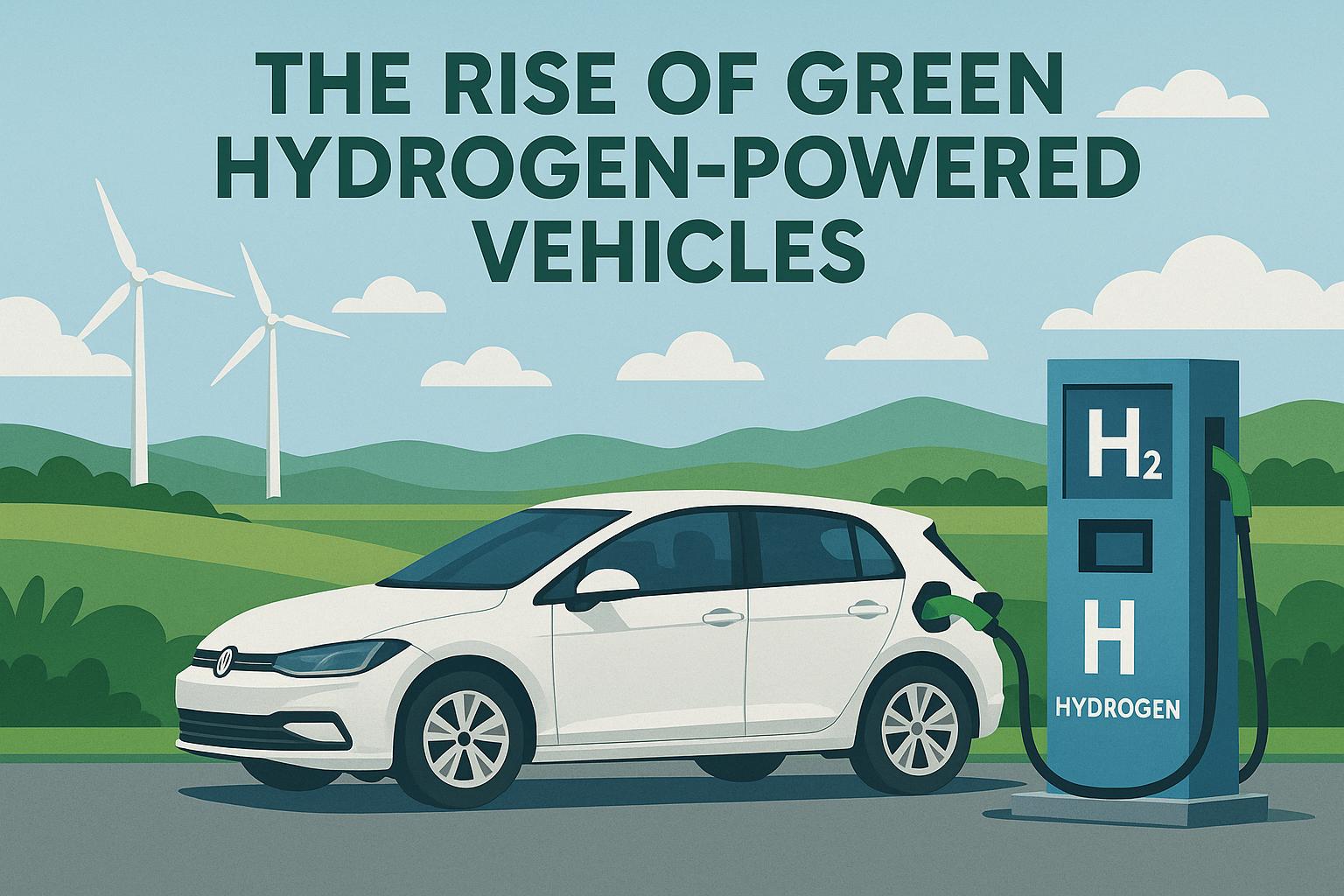
Introduction to Green Hydrogen-Powered Vehicles
The automotive industry is evolving rapidly, driven by a pressing need to address environmental concerns and transition towards sustainable energy solutions. Among the innovative alternatives emerging in the landscape, green hydrogen presents an exciting opportunity for powering vehicles. This fuel, produced through renewable energy sources, markets itself as a zero-emission option that could heavily contribute to the global ambition of decarbonizing the transport sector.
What is Green Hydrogen?
Green hydrogen is a concept that stands at the forefront of clean energy solutions. This type of hydrogen is sourced through a process known as electrolysis, where water is split into hydrogen and oxygen using electricity generated from renewable resources, such as wind, solar, or hydroelectric power. By utilizing this method, green hydrogen emerges as a clean and zero-carbon fuel. This differentiates it significantly from gray hydrogen, which relies on natural gas and results in carbon dioxide emissions. Green hydrogen, therefore, offers an environmentally responsible alternative that aligns with global sustainability goals.
Advantages of Green Hydrogen-Powered Vehicles
Several advantages position green hydrogen-powered vehicles as a viable candidate for sustainable transportation. Here are some notable benefits:
One significant advantage is the capability of these vehicles to drastically reduce greenhouse gas emissions. Vehicles using hydrogen fuel cells only emit water vapor, thus prominently reducing air pollution and mitigating the impacts of climate change. This feature makes them an appealing option for cities and regions striving for cleaner air and environmental sustainability.
Moreover, hydrogen fuel cells are renowned for their high energy density. Vehicles powered by hydrogen enjoy considerable driving ranges, which can effectively address one of the critical challenges faced by battery electric vehicles (EVs): the constraint of limited range. This characteristic is essential for users who require vehicles capable of extensive travel distances without frequent stops for refueling.
Another benefit is the efficiency of the refueling process for hydrogen vehicles. Refueling a hydrogen-powered vehicle typically takes just a few minutes, closely paralleling the time it takes to refuel a traditional gasoline vehicle. This efficiency presents a distinct advantage, especially over the longer charging times associated with EVs—a crucial aspect for individuals residing in fast-paced urban settings.
Infrastructure Development
The future of hydrogen-powered vehicles is intimately tied to the development of comprehensive hydrogen refueling infrastructure. Around the world, nations are investing significantly in building this infrastructure to ensure that hydrogen vehicles have adequate refueling support. For instance, countries such as Germany, Japan, and the United States are spearheading initiatives aimed at creating extensive networks of hydrogen refueling stations.
These infrastructural developments are often accompanied by government incentives, designed to motivate the uptake of hydrogen vehicles. These incentives range from tax credits to subsidies, all geared towards reducing the initial barriers of adopting hydrogen technology. Such measures are critical to gaining public confidence and accelerating the adoption of this sustainable transportation solution.
Challenges and Future Prospects
Despite its sustainable promise, the widespread adoption of green hydrogen technology faces a variety of challenges that must be addressed. One of the primary obstacles involves the relatively high production costs. Currently, producing green hydrogen is more expensive than its gray counterpart. This economic factor plays a central role in influencing the pace and scale of adoption.
Additionally, the limited availability of infrastructure remains a hindrance. Many regions worldwide are yet to establish a robust network of hydrogen refueling stations. This limitation restricts the practicality and convenience of owning a hydrogen-powered vehicle.
However, the outlook is optimistic. Continuous investments and technological advancements are setting the stage for lowering costs and enhancing the feasibility of large-scale deployment. Companies and research institutions are increasingly dedicating resources to improving fuel cell efficiency, optimizing vehicle design, and developing new production techniques, all of which contribute to a more economically viable hydrogen future.
With these advancements, the prospects for green hydrogen in transportation appear favorable. Automotive manufacturers are heavily investing in research and development endeavors that improve fuel cell technology and vehicle performance. Moreover, the gradual integration of hydrogen vehicles into public transportation fleets and commercial operations promises to further solidify their presence in the market.
In summary, green hydrogen-powered vehicles embody a promising solution for promoting sustainable transportation. Their numerous environmental benefits, combined with significant advancements in technology and infrastructure, underscore their importance as a critical component in the worldwide effort to reduce carbon emissions and mitigate climate change. As this sector continues to grow, green hydrogen promises to play an invaluable role in shaping a cleaner, more sustainable future for transportation.