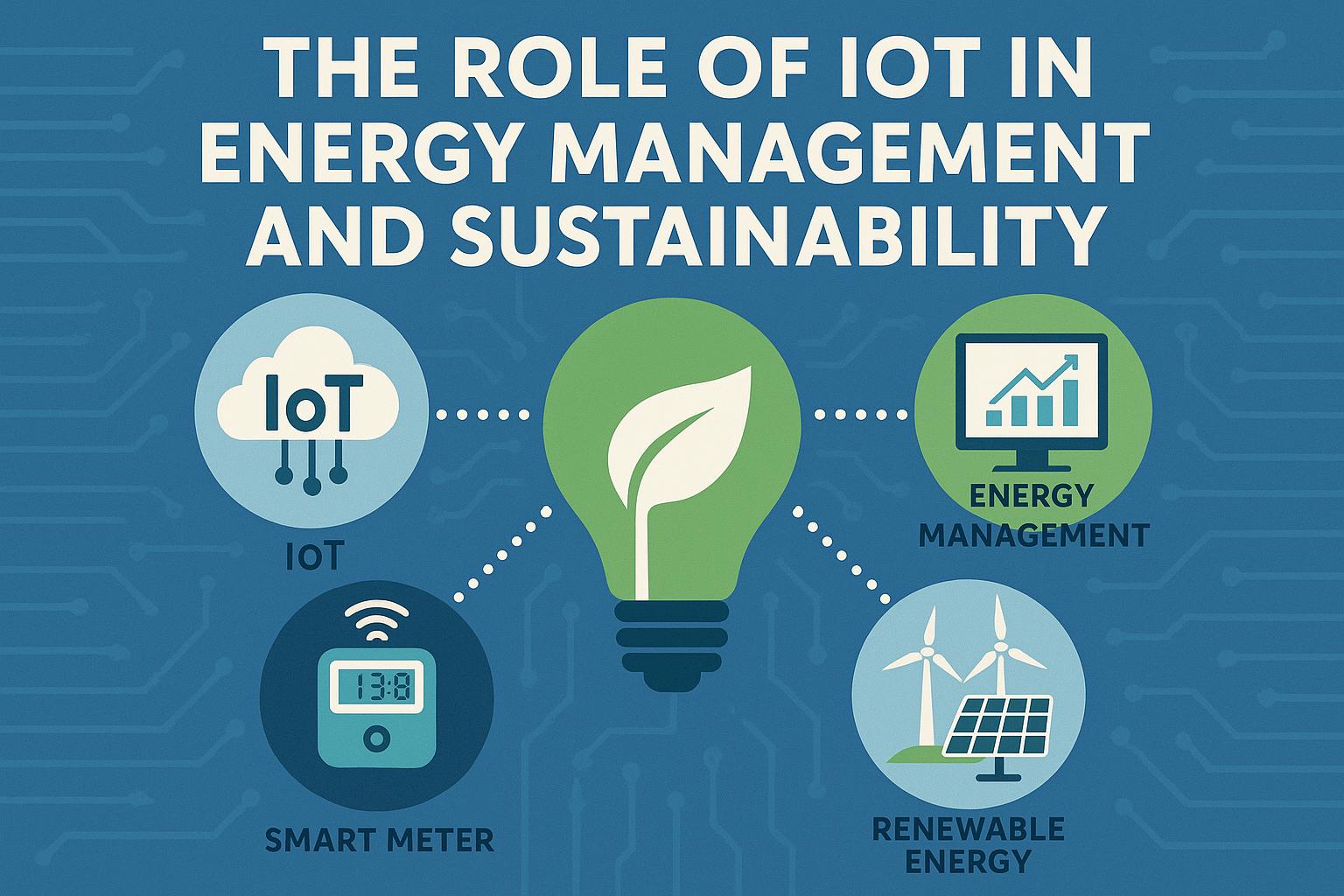
The Emergence of IoT in Energy Management
The Internet of Things (IoT) has emerged as a transformative technology in various industries, particularly in energy management and sustainability. IoT refers to the network of physical objects embedded with sensors, software, and other technologies to connect and exchange data with other devices and systems over the internet. This capability is integral to modern energy management strategies and sustainability initiatives, presenting new opportunities and challenges.
How IoT Contributes to Energy Efficiency
Smart Grids: One of the most significant contributions of IoT in energy management is the development of smart grids. These grids use IoT devices to monitor and manage electricity flow, optimizing efficiency and reducing waste. By analyzing data in real-time, utility companies can respond quickly to changes in demand and supply, ensuring a more balanced and efficient energy distribution network. The ability to manage energy consumption more effectively allows for enhanced resource allocation and minimizes the probability of outages.
Predictive Maintenance: IoT devices are crucial in predicting maintenance needs for energy infrastructure. Sensors on machines and equipment can detect wear and tear before it leads to costly repairs or failures, ensuring that systems operate smoothly and efficiently. Predictive maintenance facilitated by IoT not only extends the lifespan of machinery but also saves significant costs associated with unplanned downtimes. Ultimately, this enables facilities to operate at peak efficiency with minimum disruptions.
The Role of IoT in Renewable Energy
IoT technology also supports the integration of renewable energy sources into the power grid. By providing detailed data on weather conditions, solar irradiance, and wind patterns, IoT devices help optimize the performance of solar panels and wind turbines. This data enables better decision-making regarding energy storage and distribution, enhancing the reliability of renewable energy sources. For instance, accurate weather forecasting can dictate the optimal times to harness solar or wind energy, ensuring maximum yield from renewable installations and enhancing grid reliability.
Demand Response Management
Demand response refers to adjusting power consumption by end-users in response to supply conditions. IoT devices facilitate demand response management by providing real-time consumption data. This capability allows consumers and companies to adjust usage patterns according to energy availability, leading to more sustainable consumption practices. The ability to react to grid conditions in real-time empowers both consumers and providers to play an active role in energy conservation, fostering a more adaptable and sustainable energy ecosystem.
Sustainability through IoT-enabled Energy Solutions
The incorporation of IoT in energy management contributes significantly to sustainability goals. By enabling more efficient energy use, reducing waste, and integrating more renewable energy sources, IoT technology supports the global push toward a sustainable future. Organizations leveraging IoT can significantly reduce their carbon footprint and contribute to environmental conservation. The comprehensive data provided by IoT systems can guide organizations in crafting more sustainable energy policies and practices, aligning with broader environmental goals and commitments.
In addition to enhancing existing systems, IoT paves the way for innovative solutions in energy management. These solutions can include new energy storage technologies and smart appliances that dynamically adapt to grid conditions, further optimizing energy use and ensuring that the energy systems of tomorrow are more resilient and adaptable.
For more detailed insights into how IoT is revolutionizing different sectors, consider exploring resources from established technology research firms or government publications.
Challenges in the Implementation of IoT in Energy Management
While the benefits of IoT in energy management are substantial, several challenges must be addressed.
Data Security and Privacy Concerns
As IoT devices collect and transmit vast amounts of data, concerns regarding data privacy and security are paramount. Protecting this data from cyber threats is critical to maintaining the integrity of IoT systems. Comprehensive security protocols and encryption techniques must be employed to safeguard sensitive information and prevent unauthorized access.
Interoperability and Standardization
The IoT landscape is marked by a multitude of devices and technologies, which often lack standardization. Ensuring interoperability among these various devices is crucial for the seamless functioning of IoT systems. Developing standardized protocols and frameworks can facilitate better integration and deployment across diverse platforms and devices.
Cost and Infrastructure Requirements
Implementing IoT solutions for energy management requires significant investment in infrastructure and technology. The costs associated with deploying sensors, upgrading networks, and maintaining systems can be substantial. Organizations must effectively weigh these costs against the potential benefits and savings offered by IoT-enabled energy solutions.
Future Prospects and Innovations in IoT for Energy Management
The future of IoT in energy management is promising, with ongoing advancements poised to further augment its capabilities. Emerging technologies such as artificial intelligence and machine learning can enhance IoT applications, enabling more advanced data analytics and predictive capabilities. The convergence of these technologies with IoT can lead to smarter and more adaptive energy management systems.
Moreover, as global emphasis on sustainability intensifies, IoT can play a crucial role in achieving ambitious renewable energy targets and reducing emissions. Continuous research and development in this field promise to unveil new pathways and innovations for harnessing IoT in energy management.
The evolution of smart cities represents another frontier for IoT applications in energy management. Smart cities aim to integrate various IoT technologies across infrastructure and services to create more efficient, sustainable, and livable urban environments. Energy management forms a critical component of this vision, with IoT technology ensuring optimized energy use and sustainable urban development.
Overall, the integration of IoT into energy management systems presents a compelling avenue for enhancing efficiency and supporting sustainability. As these technologies continue to evolve and mature, they hold the potential to revolutionize the way energy is managed and consumed, paving the way for a more sustainable and energy-efficient future.