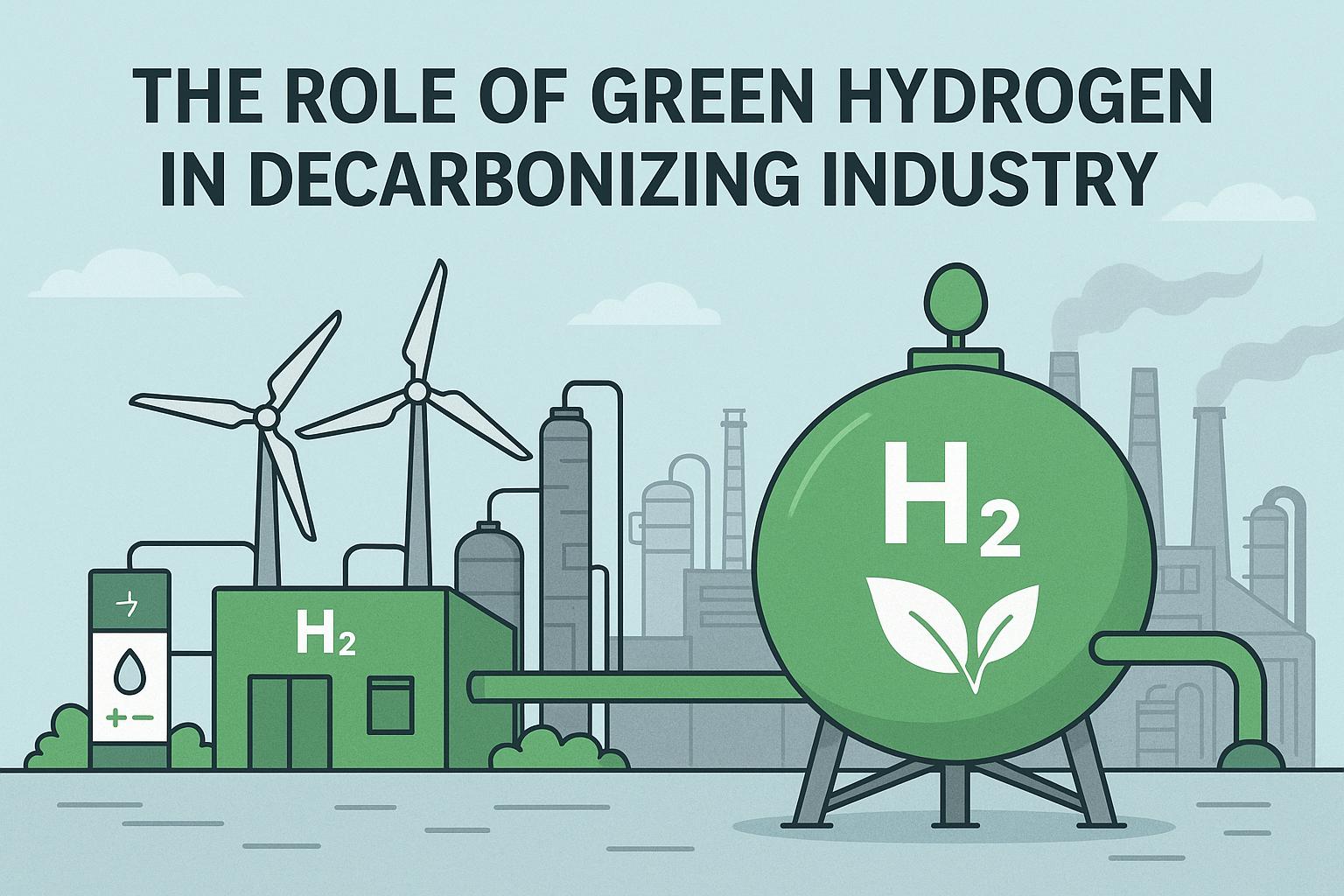
The Role of Green Hydrogen in Decarbonizing Industry
The transition towards a low-carbon economy presents significant challenges for industries that rely heavily on carbon-based energy sources. As governments and companies aim to reduce carbon emissions, green hydrogen emerges as a promising solution. This article explores the role of green hydrogen in the decarbonization of industrial sectors.
Understanding Green Hydrogen
Green hydrogen is hydrogen produced through the electrolysis of water, using electricity derived from renewable sources such as wind, solar, or hydropower. This process results in hydrogen with a reduced carbon footprint compared to conventional methods, which typically involve fossil fuels. The potential of green hydrogen lies in its ability to serve as a clean energy carrier, replacing carbon-intensive fuels in various applications.
The electrolytic process separates water into hydrogen and oxygen. When electricity from renewable sources is used, the output is essentially “green” hydrogen. Its use can decouple energy consumption from carbon emissions, providing a clean alternative that can be crucial in achieving climate goals.
Applications in Industry
Industrial sectors such as steel, cement, and petrochemicals are among the largest emitters of carbon dioxide. These industries require high-temperature processes, which are traditionally powered by fossil fuels. Green hydrogen can play a crucial role here by providing an alternative energy source that reduces or eliminates carbon emissions.
In the steel industry, for instance, green hydrogen can be used in direct reduction processes, where hydrogen replaces carbon in the reduction of iron ore, ultimately producing steel without direct CO2 emissions. This method holds the potential to transform the way steel is manufactured, aligning production practices with sustainability targets.
The chemical industry also stands to benefit from the adoption of green hydrogen. Green hydrogen serves as a feedstock for producing chemicals like ammonia and methanol, which are essential ingredients in fertilizers and other industrial products. Using hydrogen as a feedstock reduces the carbon intensity compared to traditional methods reliant on natural gas or coal.
Benefits and Challenges
There are several benefits to integrating green hydrogen into industrial processes. These include:
1. Reduction of Greenhouse Gas Emissions: Switching to green hydrogen can substantially lower emissions related to industrial heavyweights. By replacing fossil fuels with hydrogen, greenhouse gas emissions can be dramatically reduced.
2. Enhanced Energy Security: By utilizing domestically available renewable resources to produce hydrogen, countries can decrease reliance on imported fossil fuels, enhancing energy independence and security.
3. Economic Growth: The development of green hydrogen technology and infrastructure has the potential to spur economic growth. This includes job creation in new sectors related to hydrogen production, distribution, and research.
However, transitioning to green hydrogen is not without challenges. One of the primary obstacles is the current cost of production, which is higher compared to fossil fuels. Cost reductions are expected over time through advancements in technology and scaling up production. Additionally, building the necessary infrastructure for hydrogen storage and distribution poses logistical challenges that need to be addressed.
Cost Considerations
The cost of producing green hydrogen primarily hinges on the price of electricity used in the electrolysis process. As renewables become cheaper, the cost of hydrogen production is expected to fall. Investing in research to improve electrolyzer efficiency and scaling production facilities are avenues that can drive costs down further.
Infrastructure Development
Creating a comprehensive infrastructure for green hydrogen includes establishing pipelines, refueling stations, and storage facilities. These require significant investment and cohesive planning, especially considering the safe handling of hydrogen.
Policy and Investment
Governments and private sectors worldwide are increasingly recognizing the potential of green hydrogen and are beginning to invest in research and development. Policies encouraging renewable energy adoption, coupled with financial incentives and subsidies, are crucial for driving the growth of green hydrogen technologies. For further reading, you can explore reports by international agencies involved in energy policy and development, such as the International Energy Agency, providing detailed insights into current and future prospects of green hydrogen globally.
Efforts are being made to establish regulatory frameworks that support hydrogen innovations. Investing in educational initiatives is also pivotal in equipping the workforce with necessary skills for handling this new technology.
The Future of Green Hydrogen
While green hydrogen is still in its nascent stages compared to more established renewable technologies, its role in decarbonizing industry is gaining recognition. As technological advancements continue and costs decrease, green hydrogen is poised to become a cornerstone of sustainable industrial development.
Furthermore, international cooperation plays a potent role in the future of green hydrogen. Collaborative initiatives can expedite technological breakthroughs and standardize protocols, maximally leveraging hydrogen’s potential.
Research and Development
Continuous research is imperative to unlocking improved methods of hydrogen production and utilization. Exploring novel materials for electrolyzers or storage can lead to breakthroughs, solidifying green hydrogen’s prominence in the energy landscape.
The Global Perspective
Countries around the world have embarked on national hydrogen strategies, reflecting diverse resource availability and industrial profiles. Germany and Japan, for instance, are at the forefront with ambitious plans to integrate hydrogen into energy frameworks, demonstrating hydrogen’s versatility in various geopolitical contexts.
Conclusion
In conclusion, green hydrogen offers a path to significantly reduce industrial carbon emissions, contributing to global climate goals. Its development and integration into industry will require concerted efforts from governments, industry leaders, and researchers. Nevertheless, green hydrogen stands as a beacon of potential in the quest for a more sustainable industrial future.
The journey towards a hydrogen-based industry is complex yet promising, demanding innovation and perseverance. Through collaborative action and commitment, green hydrogen may well revolutionize the industrial canvas, steering it towards a clean, resilient future.