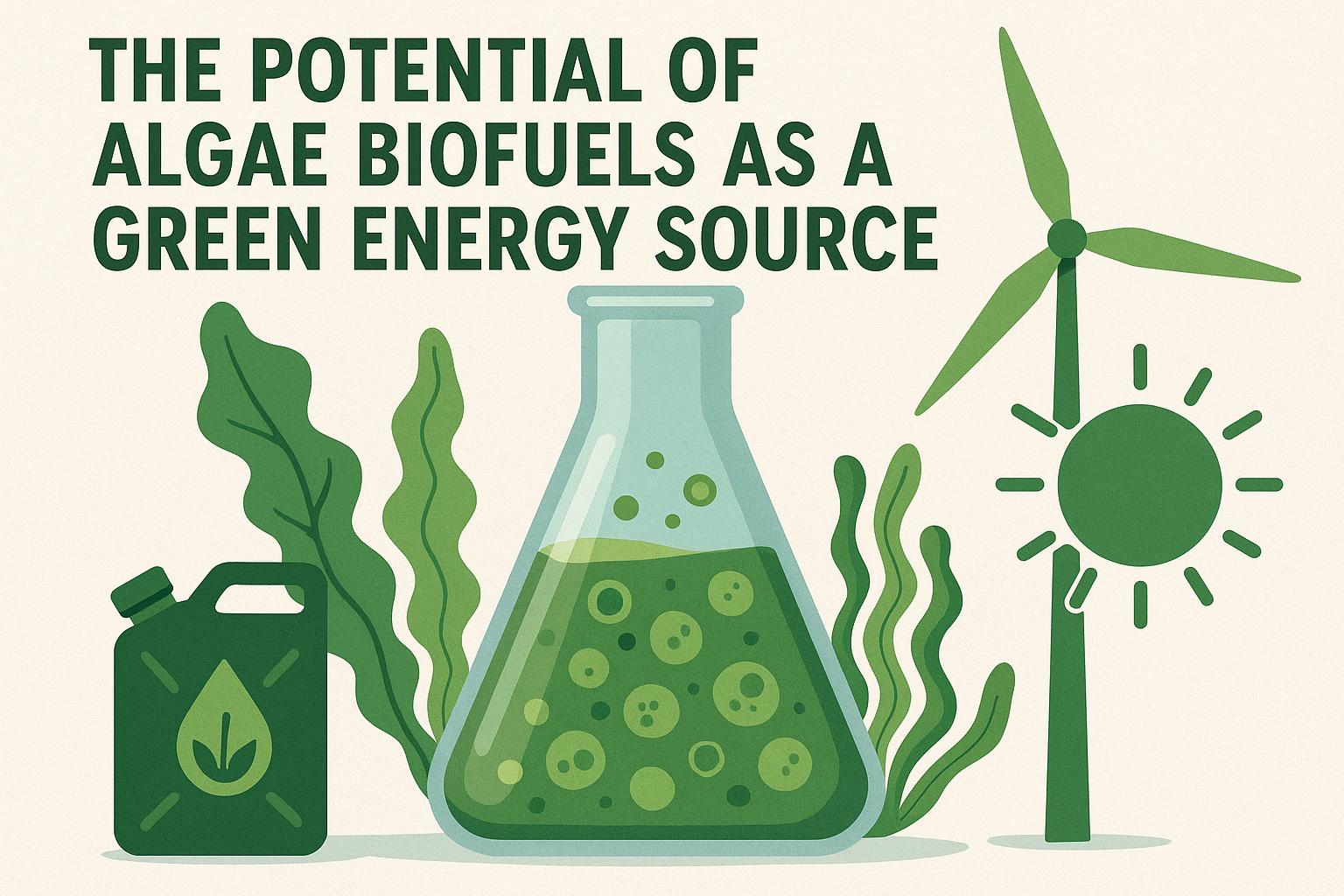
The Potential of Algae Biofuels as a Green Energy Source
The exploration of renewable energy sources has become a critical focus in addressing the global need for sustainable solutions. Among various alternatives, algae biofuels have emerged as a promising contender owing to their efficiency and minimal environmental impact. Algae, which are microorganisms using photosynthesis to convert sunlight into energy, offer substantial efficiencies that position them as a potential major player in the future of biofuel sources. Their rapid growth rates, high carbohydrate contents, and efficient conversion processes make them particularly suitable for biofuel production, a key factor in their emergence as a renewable energy option.
Understanding Algae Biofuels
To delve deeper into the mechanics of algae biofuels, it’s essential to grasp their biological processes. Much like plants, algae use photosynthesis, harnessing sunlight to generate energy. This attribute is significant as it enables them to grow rapidly, with less resource input compared to traditional biofuel crops. Algae can produce more oil per acre than traditional crops such as corn or soybeans, primarily because of their dense growth and optimized biochemical pathways that focus on oil accumulation.
Production Process
The production process of algae biofuels is multifaceted and involves several critical stages. Initially, algae are cultivated in controlled water bodies where conditions such as light, temperature, and nutrients are meticulously managed to optimize their growth. This stage is paramount as the growth rate and overall health of the algae directly influence the output and quality of the biomass. Once an adequate amount of algae biomass is achieved, the next step involves harvesting, which typically requires dewatering processes to concentrate the biomass. Subsequently, specific oil extraction techniques, including mechanical pressing, solvent extraction, or enzymatic methods, are used to separate the oils from the biomass. Once the oils are acquired, the next step involves converting these oils into biodiesel or similar biofuels through chemical processes like transesterification. This intricate process breaks down the oil molecules to produce a usable fuel that mirrors traditional fossil fuels in energy content and usage.
Environmental Benefits
The environmental benefits associated with algae biofuels are multi-faceted and profound. Among their most significant advantages is the ability of algae to reduce carbon emissions. During their lifecycle, algae naturally absorb carbon dioxide, effectively acting as natural carbon sinks. This feature makes their net carbon footprint favorable, especially when contrasted with traditional fossil fuels, which contribute to increased atmospheric carbon dioxide levels. Additionally, the cultivation of algae for biofuel production does not impinge on arable land reserved for food production. This cultivation characteristic is critical as it circumvents the “food versus fuel” debate often associated with other biofuel sources, positioning algae as a more sustainable option for large-scale energy production.
Challenges in Algae Biofuel Production
Nonetheless, despite their promising attributes, the production of algae biofuels is not without challenges. Several obstacles impede their large-scale adoption and economic viability. One of the primary challenges is the substantial initial investment required for developing the necessary technology and infrastructure. Setting up a commercially viable algae biofuel production system entails high costs, which can deter investors and stakeholders. Additionally, the energy input required for cultivation and processing of algae is often considerable. This aspect can affect the overall energy return on investment if not managed efficiently. Furthermore, issues such as maintaining optimized growth conditions and ensuring a consistent yield present ongoing challenges that require comprehensive research and technological advancements.
Technological Advancements
In recent years, substantial progress has been made in overcoming these hurdles through technological advancements. Research in genetic engineering now focuses on developing algae strains with improved growth rates and higher oil content. Such advances are critical as they aim to enhance the economic feasibility of algae biofuel production. Similarly, innovations in cultivation technology, like photobioreactors, have been introduced to improve algae growth rates and minimize resource use. The photobioreactor design optimizes light exposure and nutrient delivery, vital for maximizing yields. Furthermore, government and private sector support in the form of funding and incentives plays a crucial role in accelerating these developments, potentially reducing the cost barrier associated with algae biofuels.
Future Prospects
Looking ahead, the integration of algae biofuels into the existing energy matrix presents exciting prospects that could contribute significantly to a sustainable energy future. Continuous research is vital in further improving the yield and reducing production costs to make algae a competitively priced alternative to fossil fuels. This ongoing research encompasses diverse areas, from optimizing genetic strains to refining processing technologies, all aimed at unlocking the full potential of algae as a renewable energy source.
For stakeholders and enthusiasts wanting to delve deeper into the potential of algae biofuels, extensive information is available through academic research institutions, governmental energy departments, and environmental organizations focused on renewable energy. In consequence, the promise of algae biofuels as a green energy source appears within reach. By steadfastly investing in technological advancements and infrastructure development, and fostering public and private sector collaborations, algae biofuels can transform the energy landscape, offering a viable and sustainable solution to the world’s growing energy demands. As we envisage a future less reliant on non-renewable energy sources, algae biofuels could indeed become pivotal in driving global efforts toward sustainable development and energy security.