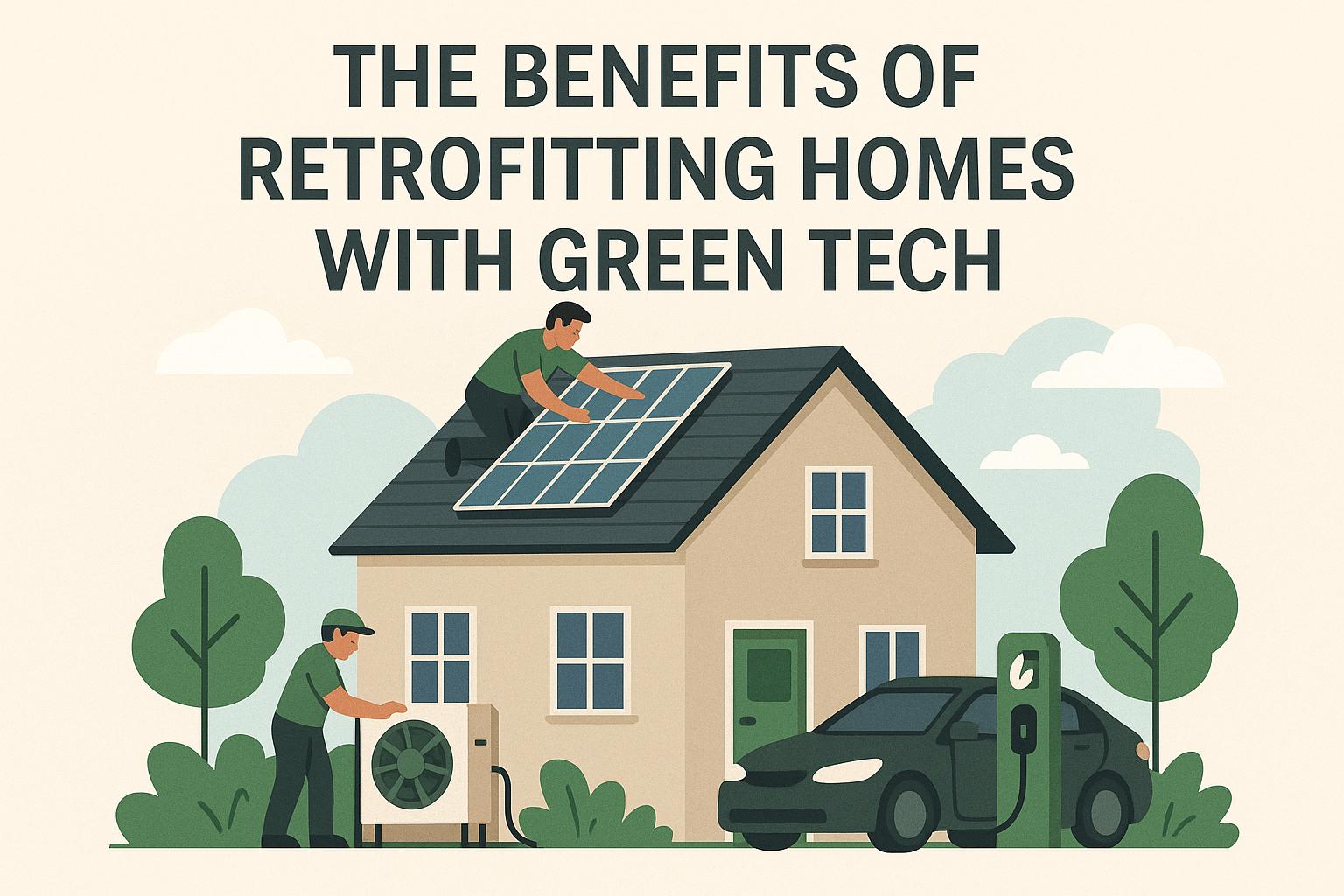
Retrofitting homes with green technology serves as a substantial measure towards enhancing the sustainability and energy efficiency of our built environment. This methodological transformation entails the infusion of modern, energy-saving technologies into existing structures, distinctly designed to minimize energy consumption, reduce utility expenses, and mitigate adverse environmental impacts. Over the subsequent sections, we will explore various facets of this transformative journey, delving deeper into its significance and multifaceted benefits.
The Importance of Retrofitting Homes with Green Technology
In recent years, retrofitting homes with green technology has emerged as an essential endeavor. The fundamental aim is to modernize and improve the existing building infrastructure to align with contemporary environmental and energy efficiency goals. As we continue to grapple with environmental challenges and energy crises, such measures are indispensable for creating sustainable urban habitats.
Energy Efficiency Benefits
Energy efficiency remains a cornerstone of retrofitting homes with green technologies. This strategic upgrade often includes the installation of energy-efficient lighting and windows, along with state-of-the-art appliances. The transformation begins with replacing traditional incandescent bulbs with LED lighting, which is known for consuming a fraction of the energy and possessing a considerably longer lifespan.
Moreover, the integration of energy-efficient appliances, such as refrigerators, dishwashers, and water heaters, addresses a significant part of household energy demand. These appliances are designed to use less energy while maintaining or even enhancing performance compared to their conventional counterparts. Likewise, high-performance windows are another significant component of this renovation process. They prevent thermal loss while allowing optimum natural light, thus lowering the need for artificial heating and lighting.
This comprehensive approach to energy conservation results in cumulative savings on energy bills, providing direct financial relief to homeowners. It also plays a crucial role in reducing national and global energy consumption demands. Given the rising energy costs, these savings are not just desirable but increasingly necessary for maintaining economic stability at the household level.
Decreased Carbon Footprint
A principal driver for encouraging green retrofits is the need to manage global carbon emissions. Currently, buildings are responsible for a substantial share of global greenhouse gas emissions. This underscores the pressing imperative to retrofit homes with energy-efficient systems to diminish carbon footprints significantly. By augmenting heating, cooling, and electrical systems to be more efficient, we contribute to a broader global effort in battling climate change.
It’s noteworthy that the impact of reduced emissions extends beyond immediate energy savings. It contributes to a global scale reduction in the reliance on fossil fuels, setting a precedent for sustainable living. The cumulative effect of such individual actions holds vast potential for reversing some of the adverse impacts of climate change.
Increased Property Value
From a financial perspective, retrofitting homes with green technology is a prudent investment that may help increase property value. The real estate market is witnessing a growing preference for homes equipped with sustainable and energy-efficient features. The economy’s shift towards environmental responsibility fuels an appetite for properties that reflect sustainable living practices.
Homeowners who have invested in green technologies often witness an appreciation in property value. This is particularly important given that buyers are increasingly cognizant of future economic benefits from reduced utility costs and the broader appeal of environmentally friendly homes. Environmental consciousness among buyers creates a lucrative real estate market for green properties, characterized by competitive pricing and high demand.
Improved Indoor Air Quality
Beyond financial and environmental benefits, retrofitting homes with green technology asserts its value by enhancing indoor air quality. Oftentimes, green technology retrofits encompass upgrades such as high-efficiency HVAC systems, which ensure effective filtration and ventilation, reducing airborne pollutants and allergens.
Proper insulation further contributes to maintaining a stable indoor environment, minimizing exposure to outdoor pollutants. Moreover, the transition towards utilizing non-toxic materials in retrofitting processes aids in eliminating contributors to indoor air pollution. Consequently, this cultivates a healthier living space, augmenting the quality of life for the inhabitants.
Financial Incentives and Rebates
The economic viability of adopting green retrofits is further bolstered by the array of financial incentives and rebates made available by governments and utility companies. Such programs can significantly ease the usually expensive initial costs associated with these upgrades. Homeowners keen on pursuing retrofitting should actively explore these financial aids to identify opportunities for economic leverage.
Schemes such as tax credits, rebates, and grants are structured to reduce the burden of upfront expenditures. These efforts are part of wider policies to encourage sustainable practices among individuals and communities. Staying informed about local and national programs is essential for maximizing the opportunities available to offset costs.
Investing in green technology retrofits does not solely serve individual households; it extends remarkable benefits to broader environmental and economic contexts. As we collectively work towards sustainability and enhanced energy efficiency, green technology improvements stand as critical measures in mitigating environmental impact. They reinforce the foundation for a healthier, more sustainable future. For individuals interested in retrofitting their homes, the Energy Star website and local energy auditors offer valuable starting points. Engaging with these resources helps in navigating the complexities of the retrofitting process, ensuring informed decision-making and effective implementation.