Understanding the Fundamentals of Green Energy
Green energy emerges as a pivotal element in today’s focus on sustainable environmental practices. Defined primarily as energy sourced from natural systems that replenish more rapidly than they deplete, green energy is at the forefront of reshaping our energy landscape. The primary sources include solar, wind, geothermal, hydroelectric, and biomass energy. These renewable sources offer a stark contrast to traditional fossil fuels by providing an energy solution that decreases environmental impact, helping to mitigate the effects of climate change and fostering a sustainable future.
Environmental Impact and Sustainability
Green energy provides sustainability through its inherent ability to reduce carbon emissions. Combustion of fossil fuels, such as coal and oil, releases significant amounts of carbon dioxide, a greenhouse gas contributing to global warming. By contrast, renewable energy sources, such as solar and wind, emit no greenhouse gases during electricity generation. This shift results in a considerable decrease in atmospheric pollution, supporting environmental health and sustainability.
Solar energy harnesses power directly from the sun through photovoltaic cells, generating electricity without emissions or pollution. Meanwhile, wind energy utilizes the kinetic energy generated by the movement of air masses to produce power. Hydroelectric power, derived from flowing water, and geothermal energy, generated from the Earth’s internal heat, follow similar clean energy paradigms. Biomass energy, though made from organic materials, can be implemented in ways that offset the carbon produced within its life cycle, making it a vital component of the renewable resources blend.
Technological Advancements in Green Energy
Significant technological progress accelerates the adoption and efficiency of green energy systems. Continuous research and development have led to more efficient photovoltaic cells, enhanced battery storage, and advanced wind turbine technologies. These improvements increase the efficacy of energy conversion, storage, and distribution, ensuring that these renewable systems can meet growing energy demands effectively.
For example, advancements in photovoltaic technology have doubled the efficiency rates of solar panels over the past decade. Wind turbines are increasing in size, capturing more wind energy with less land use. Technological innovations continue to drive down the costs of equipment and enhance the durability and capability of green energy installations.
Economic Implications of Green Energy
The economic dimension of green energy adoption focuses not only on the direct cost savings but also on the broad spectrum of economic benefits it brings about. Building and maintaining green energy infrastructure generates employment opportunities ranging from research and development to manufacturing, installation, and maintenance, contributing positively to local and national economies.
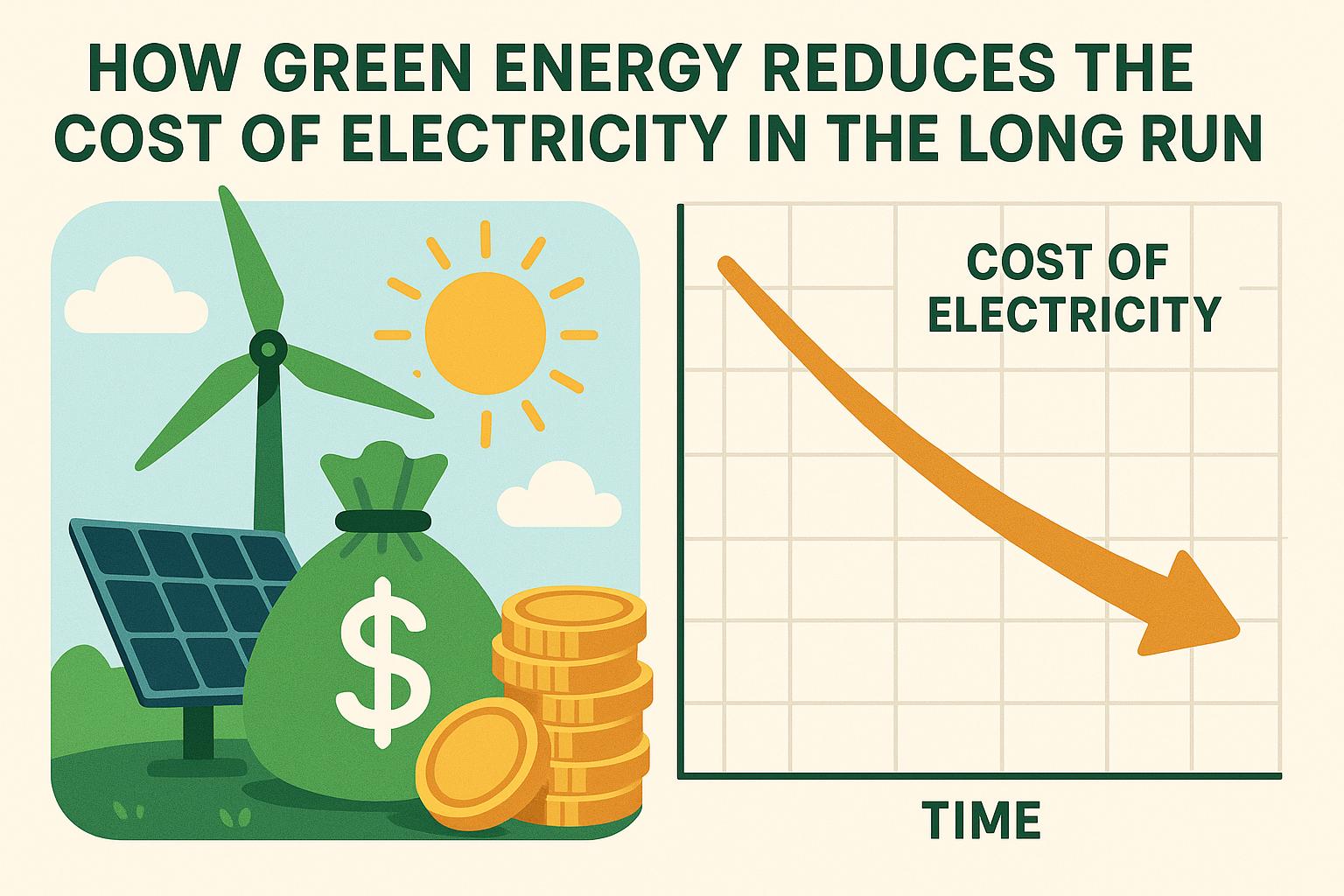
The financial benefits extend to reducing vulnerability to fossil fuel market volatility. Renewable energy systems draw from inexhaustible resources that are not subject to the same market swings and geopolitical tensions that affect fossil fuel supplies. This element of energy independence can translate to more stable and predictable energy prices globally.
Challenges and Considerations
Despite its benefits, the transition to green energy is not without challenges. Initial costs for infrastructure development can be high, necessitating financial support systems, incentives, and favorable policies from governments worldwide. Storage and distribution continue to be vital areas requiring innovation since the availability of solar and wind energy is intermittent and varies based on location and climate conditions.
Energy storage solutions, such as advanced battery technologies and grid management systems, are crucial for bridging these gaps. Moreover, effective integration of green systems with existing traditional energy infrastructures requires strategic planning and substantial investment.
Public Perception and Adoption
Public perception plays a substantial role in the transition to green energy. Increasing awareness and education about the benefits of renewable energy help bolster public support and community-led initiatives. Programs that involve communities in local projects can further elevate adoption rates, allowing individuals and communities to witness firsthand the efficiency and cost benefits of these systems.
Social initiatives, such as community solar projects, enable individuals who cannot install their systems to benefit from green energy, facilitating broader demographic access and inclusion. The growing awareness also pushes businesses and governments to prioritize sustainability more, integrating renewable energy initiatives into broader corporate and economic strategies.
The Future Trajectory of Renewable Energy
The trajectory of green energy looks promising as technology continues to evolve, costs decline, and global policies increasingly favor sustainable solutions. As we move into the future, a diversified approach that integrates various renewable sources will likely become the norm, improving grid resilience and energy security while reducing reliance on a single source of energy.
Furthermore, international cooperation and commitment to climate goals can accelerate the transition, making renewable energy a cornerstone of modern global infrastructure. A commitment to sustainability and clean energy technologies can reshape the environmental and economic strategies for nations across the globe in an era characterized by ecological awareness.
In summary, while the shift towards green energy presents challenges, the significant long-term environmental, economic, and societal benefits far outweigh these obstacles. Green energy represents a critical component of a sustainable and economically stable future, promising a path where energy solutions are not only environmentally prudent but also financially advantageous.