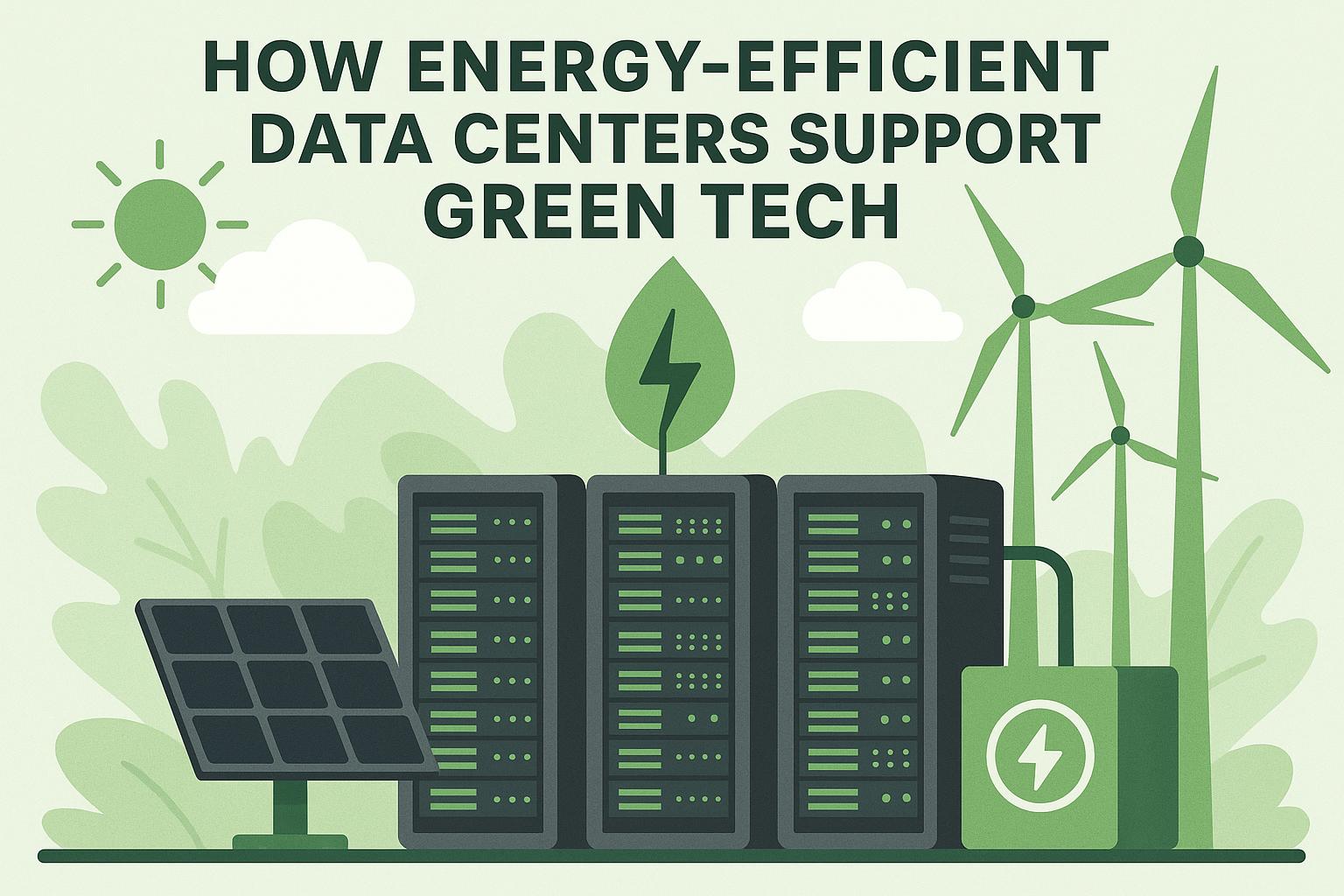
Introduction to Energy-Efficient Data Centers
Data centers represent a pivotal component of contemporary digital infrastructure, underpinning an array of services ranging from basic website hosting to intricate artificial intelligence computations. As the demand for data processing continues to surge worldwide, the energy consumption associated with these facilities has increasingly attracted scrutiny. Innovative energy-efficient data centers are gradually emerging as an essential element in the pursuit of green technology and the reduction of overall carbon footprints.
Understanding the Energy Consumption of Data Centers
Conventional data centers are known for their significant electricity consumption, primarily due to constant cooling requirements and the operation of extensive arrays of servers. As highlighted by the International Energy Agency, by early 2020, data centers were responsible for approximately 1% of global electricity usage. This statistic only accounts for the direct operational energy consumption and omits the carbon costs linked with the construction and maintenance of these vast facilities.
The energy consumed by data centers originates mainly from two sources: the computational tasks carried out by servers and the cooling systems that maintain optimal operating temperatures. Traditional cooling methods are energy-intensive, often relying on air conditioners that can lead to substantial power usage. Additionally, servers operate continually, thereby necessitating an uninterrupted supply of electricity, adding to the overall energy demand.
Key Components of Energy-Efficient Data Centers
Energy-efficient data centers implement a variety of strategies to curtail their energy consumption. Below are some key components that contribute to increased energy efficiency:
Advanced Cooling Techniques: State-of-the-art cooling technologies, such as liquid cooling and free-air cooling, are significantly reducing the energy needed to maintain optimal temperatures in server spaces. Liquid cooling involves circulating a cooling liquid through the system to dissipate heat, providing a more efficient method than traditional air conditioning. Free-air cooling takes advantage of the cooler ambient outside air to facilitate the cooling process, reducing the reliance on energy-intensive air conditioning systems.
Use of Renewable Energy Sources: A growing number of data centers are integrating renewable energy sources, like solar and wind, into their power infrastructure. This approach substantially lessens their dependency on fossil fuels and, consequently, lowers carbon emissions. By utilizing energy sources that are clean and sustainable, data centers contribute to a more balanced environmental footprint. This move not only addresses environmental concerns but also aligns with global efforts to promote renewable energy adoption across industries.
Virtualization and Server Optimization: Energy-efficient data centers often use server virtualization and optimization strategies to minimize the number of physical machines required. Server virtualization allows multiple virtual servers to run on a single physical server, maximizing hardware utilization and reducing power consumption. Similarly, optimizing server operations ensures that servers consume energy proportionate to their workload, eliminating unnecessary usage.
The Role of Energy-Efficient Data Centers in Promoting Green Tech
Energy-efficient data centers hold a significant position in advancing green technology initiatives. As businesses increasingly transition to sustainable practices, there is an amplified demand for infrastructure that is environmentally friendly. Utilizing energy-efficient data centers enables companies to align their operational practices with green technology objectives, thereby supporting wider efforts to mitigate climate change.
These data centers provide a tangible solution for businesses aiming to reduce their carbon footprints and adhere to environmental regulations. By integrating energy-saving technologies, businesses can achieve considerable reductions in energy consumption and associated costs, bolster their sustainability credentials, and contribute to global environmental goals.
Future Outlook
The momentum toward energy-efficient data centers is poised to continue, driven forward by both regulatory frameworks and the demands of the market. Emerging technologies, such as artificial intelligence-driven energy management systems and advances in hardware design, are anticipated to propel further improvements in energy efficiency. As technology evolves, data centers are likely to adopt even more sophisticated methods to enhance energy-saving efforts.
Measures such as the Climate Pledge have begun to encourage data center operators to embrace sustainable practices and commit to ambitious environmental targets in alignment with international agreements. By committing to these pledges, companies are not just reducing their environmental impact but also setting a benchmark for industry standards toward greener operations.
Investing in energy-efficient data centers offers companies numerous advantages, including reduced operational costs associated with energy consumption and participation in the global movement striving towards sustainable technology. Furthermore, the developments in this arena contribute to creating a more sustainable future, paving the way for responsible digital infrastructure that meets the growing demands of society without compromising the planet’s well-being.
In conclusion, as society becomes more reliant on digital services, the need for energy-efficient data centers becomes paramount. By embracing these efficient systems, companies can achieve substantial energy savings, improve their sustainability footprint, and contribute to global environmental initiatives aiming for a greener future. As technologies advance, it is expected that energy-efficient data centers will play an ever-increasing role in shaping a resource-efficient and sustainable digital landscape.