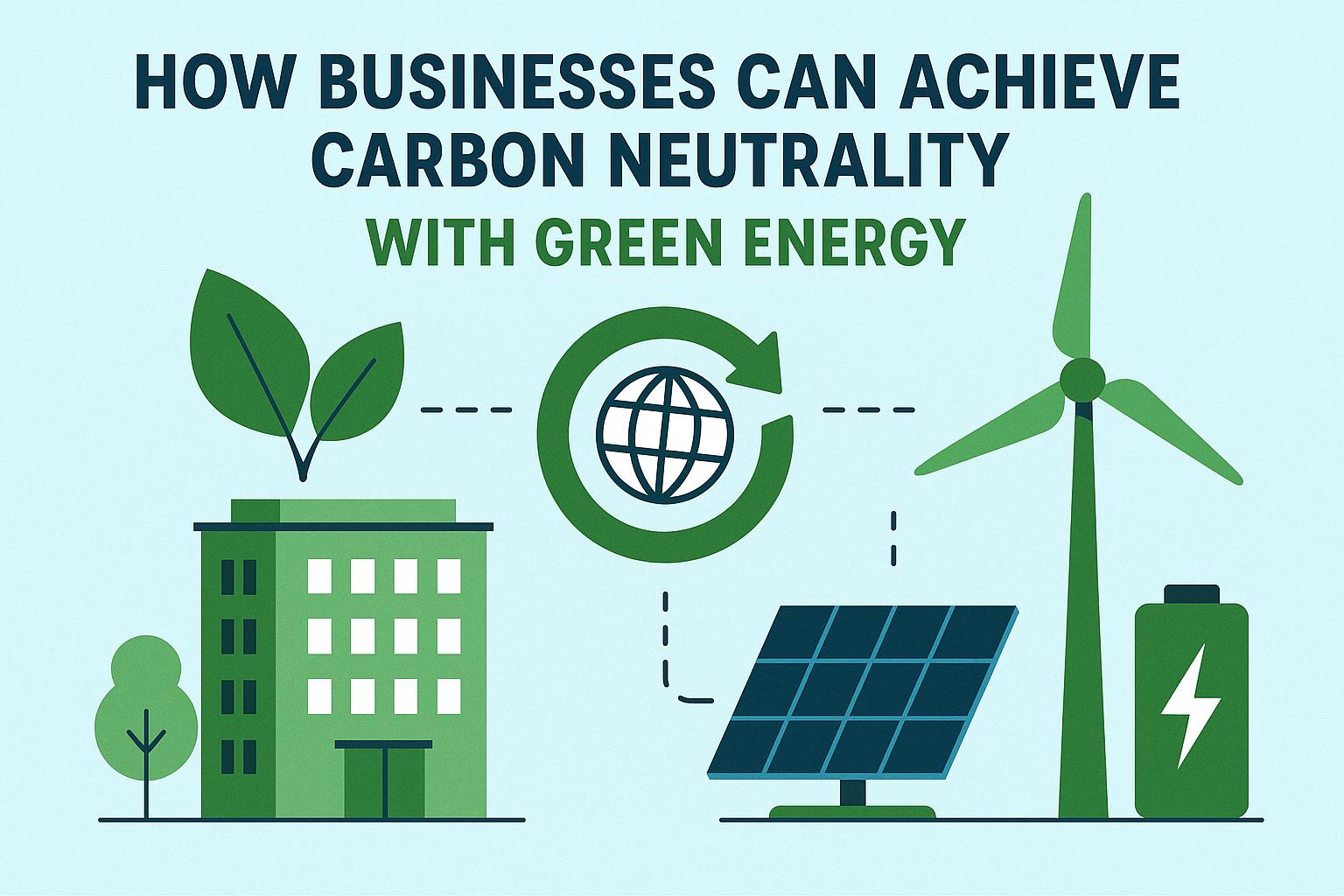
Introduction to Carbon Neutrality
The urgency of addressing climate change is becoming increasingly evident, driving businesses across the globe to evaluate their environmental impacts. Central to this effort is the concept of carbon neutrality, which entails balancing the carbon dioxide emissions produced by an organization with an equivalent amount of carbon offsets. Achieving carbon neutrality is integral for businesses that aim to incorporate sustainability into their core operations. One of the most effective strategies to approach this goal is transitioning to green energy.
Understanding Green Energy
Green energy is derived from renewable resources that exert minimal environmental impact. These sources encompass solar, wind, hydroelectric, and geothermal power, among others. Unlike traditional fossil fuels, which emit a substantial amount of carbon dioxide and other greenhouse gases, green energy sources generate little to no emissions during their operation.
By switching to green energy, businesses can make significant strides toward reducing their carbon footprints. This shift not only aids in meeting regulatory compliance related to emission reductions but also aligns with global sustainability goals.
The Benefits of Green Energy for Businesses
Adopting green energy leads to various benefits that extend beyond mere environmental impact.
Firstly, utilizing green energy significantly diminishes greenhouse gas emissions. This reduction in emissions contributes to the global movement to combat climate change—a cause that is gaining urgency and attention across various industries. By cutting down on emissions from fossil fuel-based energy, companies directly support the reduction of their overall carbon footprint, thus advancing their progress toward carbon neutrality.
Furthermore, while the initial costs of transitioning to green energy can be significant, businesses often experience reduced operational costs in the long term. Renewable sources such as solar and wind can offer stable and predictable energy prices, which are immune to the fluctuations that often affect fossil fuel markets. This reliability in pricing can translate into significant financial savings over time.
Another essential advantage relates to branding. Companies committed to environmental responsibility by incorporating green energy into their operations often see an improvement in their brand image. Demonstrating an earnest commitment to sustainability can enhance a company’s reputation, making it more appealing to consumers who increasingly value environmental stewardship. This commitment also positions businesses favorably in the eyes of investors who prioritize sustainable and ethical investing, thereby opening up new opportunities for growth and development.
Strategies for Transitioning to Green Energy
Transitioning to green energy is multifaceted and requires strategic planning and implementation. Businesses seeking to adopt green energy solutions may consider the following approaches:
Evaluating Energy Consumption: Initially, companies must understand their energy consumption patterns. Conducting a comprehensive energy audit can shed light on areas of inefficiency and pinpoint where improvements are needed. This evaluation is crucial as it forms the basis for informed decision-making regarding energy use and aids in setting realistic sustainability goals.
Implementing Renewable Energy Systems: Businesses can achieve self-sufficiency in energy production by installing renewable energy systems such as solar panels or wind turbines on-site. These installations not only reduce dependence on external energy sources but also allow companies to generate their own clean energy. For businesses where on-site generation isn’t feasible, off-site options, such as renewable energy procurement through power purchase agreements (PPAs), can serve as efficient alternatives.
Engaging with Green Energy Suppliers: Collaboration with energy providers who focus on renewables ensures a consistent supply of green energy tailored to the business’s operational needs. This relationship can ease the transition process and provide businesses with the resources and support needed to maintain their sustainability objectives.
Challenges in Achieving Carbon Neutrality
Despite the apparent benefits, moving toward green energy entails several challenges. One of the primary challenges is the substantial initial investment required for renewable energy projects and infrastructure upgrades. These capital expenditures can be daunting, particularly for small and medium-sized enterprises (SMEs), where budget constraints are often tighter.
Logistics present another layer of complexity. Adapting existing infrastructure to accommodate new energy systems—whether through retrofitting or complete overhaul—can be technically challenging and time-consuming. Furthermore, regulatory barriers differ by region, potentially complicating the adoption of green energy. Businesses must navigate these regulations, which may require significant time and expertise.
However, while these challenges are notable, they are not insurmountable. The long-term environmental and financial benefits often justify the efforts required to overcome these initial hurdles. Solutions such as government subsidies, tax incentives, and grants are available in many regions, designed to reduce the financial burden on companies striving for cleaner energy solutions.
Conclusion
Achieving carbon neutrality through the embrace of green energy stands out as a strategic and forward-thinking initiative for businesses focused on sustainable growth. Despite the challenges in terms of investments and logistical adaptation, the move promises considerable long-term benefits that far outweigh the initial difficulties. For businesses, the pursuit of green energy not only aids in combating climate change but also signifies a strong position of leadership in corporate social responsibility. Visit this resource for additional information on sustainable practices.
In summary, embracing green energy is not merely about reducing emissions—it’s about fostering a culture of sustainability that aligns with evolving global priorities. As climate change continues to garner attention, businesses that proactively engage in environmentally responsible practices position themselves as industry leaders and innovators. By committing to carbon neutrality and utilizing renewable energy sources, they not only contribute to a shared global goal but also secure a sustainable future for their operations and the planet.