Introduction to AI-Powered Energy Forecasting
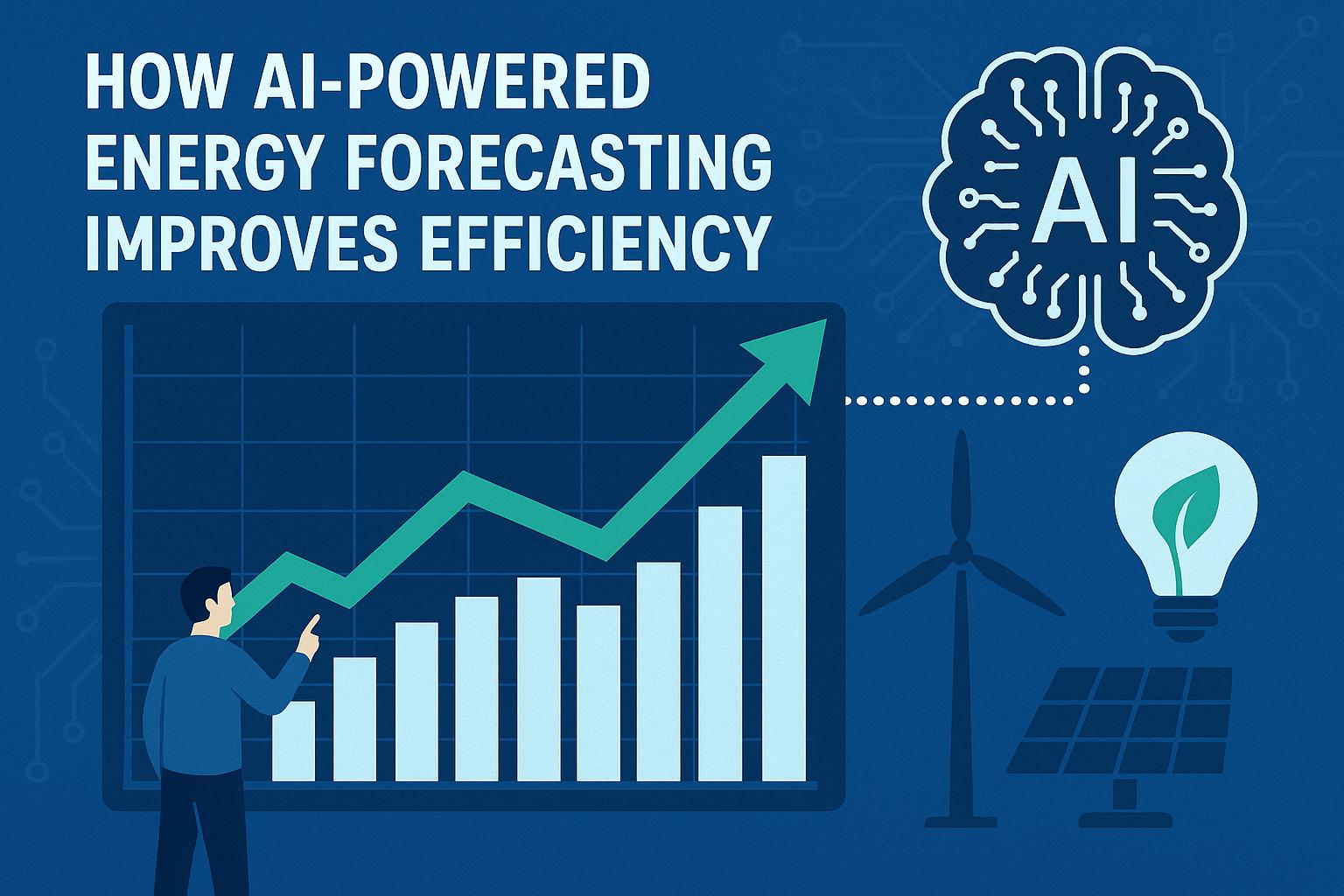
The integration of artificial intelligence (AI) into energy systems marks a transformative shift in how we predict and manage energy demands as well as resources. AI-powered energy forecasting involves utilizing AI models to predict future energy consumption, generation, and pricing using data-driven insights. This technological innovation is crucial for enhancing efficiency and reliability across energy management systems in a variety of sectors.
How AI Works in Energy Forecasting
AI-powered forecasting fundamentally involves the use of machine learning algorithms capable of analyzing vast datasets for pattern and trend identification. These algorithms are designed to process and interpret information from multiple sources, such as weather reports, historical energy consumption data, and market trends. Through this multifaceted analysis, AI is able to predict energy demands with a level of accuracy that surpasses traditional forecasting methods.
A prominent application in this context is the use of neural networks. Neural networks mimic the processing activities of the human brain, endowing them with the ability to conduct sophisticated analyses and make precise predictions.
Role of Big Data
Big data significantly amplifies the effectiveness of AI in energy forecasting. Access to extensive datasets allows AI algorithms to enhance their accuracy and reliability. Data from smart meters, IoT devices, and remote sensors provide comprehensive information that enables detailed and precise forecasts.
Benefits of Enhanced Energy Forecasting
There are several advantages associated with AI-driven energy forecasting:
Increased Efficiency
AI allows utility companies to optimize the generation and distribution of electricity by forecasting energy demand with high precision. This optimization leads to reduced waste and ensures an efficient balance between supply and demand.
Cost Savings
Improved accuracy in forecasting permits better planning, thereby reducing the necessity for costly emergency measures to balance electricity demand and supply. This reduction in operational costs translates into more affordable energy prices for consumers.
Integration of Renewable Energy
Forecasting with AI is instrumental in the integration of renewable energy sources like wind and solar power into the energy grid. Since these sources are inherently variable, AI helps to stabilize their integration by predicting fluctuations in supply and demand effectively.
Improved Grid Stability
Enhanced predictions of energy flows enable grid operators to bolster grid stability, minimizing the risk of outages and ensuring a reliable power supply to consumers.
Challenges and Considerations
Despite the many benefits of AI-powered energy forecasting, several challenges need to be addressed. Ensuring the quality and security of data is of paramount importance, as inaccuracies or breaches could lead to erroneous forecasts and potential disruptions. Additionally, there is a continuous need to develop robust and adaptable algorithms that can handle unpredictable factors.
The initial integration of AI systems can be both costly and complex, necessitating substantial infrastructural investments and the engagement of skilled personnel. However, despite these initial challenges, the long-term benefits often surpass the costs, providing a strong incentive for broader adoption.
Conclusion
AI-powered energy forecasting is a significant advancement in improving the efficiency and reliability of energy systems. By effectively utilizing AI and big data, energy providers can generate more accurate predictions, resulting in economic benefits and paving the way toward a sustainable energy future. As technology evolves, AI will increasingly become a critical component of global energy management strategies.
For further exploration into AI applications in energy management, resources from industry leaders and technology innovators can offer additional insights.