Introduction
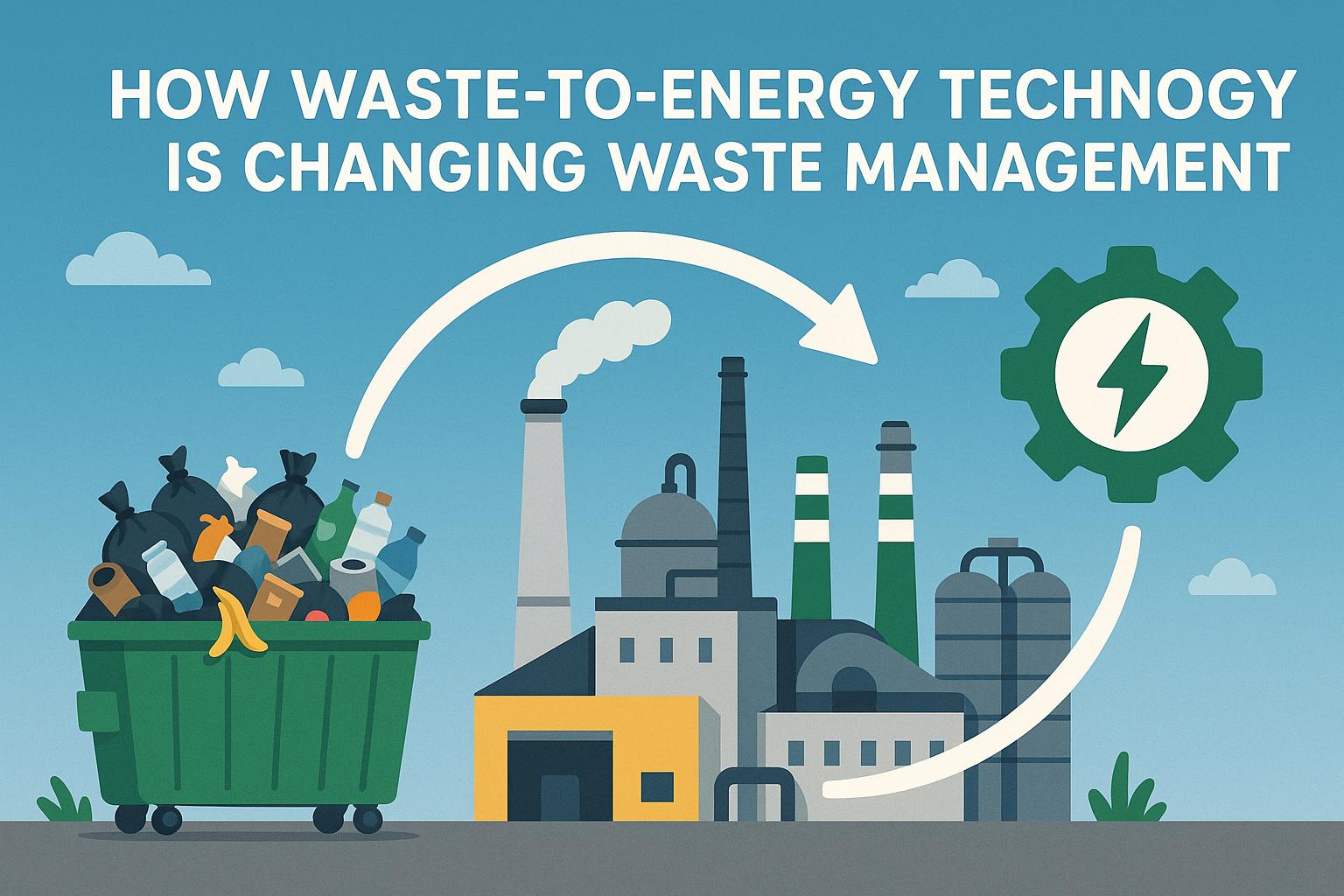
The landscape of waste management is evolving, with waste-to-energy (WtE) technology playing a crucial role in this transformation. As traditional landfilling practices pose environmental challenges, WtE emerges as a sustainable alternative, converting waste into energy. This technology not only addresses waste management issues but also contributes to energy production. Understanding its mechanisms, benefits, and challenges can provide insight into its role in modern environmental management and energy generation strategies.
Understanding Waste-to-Energy Technology
Waste-to-energy technology involves the conversion of non-recyclable waste materials into electricity, heat, or fuel. This process utilizes various methods, such as incineration, gasification, pyrolysis, and anaerobic digestion. Each of these methods has distinct mechanisms and efficiencies, contributing to the overall effectiveness of the technology in different contexts.
Incineration
Among these, incineration is the most commonly used method, where waste combustion generates steam-driven electricity. During incineration, waste is burned at high temperatures, reducing its volume by up to 90%. The heat generated in this process is used to convert water into steam, which drives turbines to produce electricity. This method is particularly advantageous in areas where land is scarce, as it significantly reduces the volume of waste that needs to be landfilled.
Gasification and Pyrolysis
Gasification and pyrolysis are two other efficient methods of converting waste into energy. Gasification involves reacting waste materials at high temperatures with a controlled amount of oxygen to produce syngas. This gas can be used to generate electricity or as a chemical feedstock. Pyrolysis, on the other hand, decomposes organic material by heating it in the absence of oxygen, generating outputs like bio-oil, syngas, and char. These methods offer potential benefits in terms of versatility and emission control compared to traditional incineration.
Anaerobic Digestion
Anaerobic digestion is a biological process that converts organic waste into biogas, which can be used to produce energy. It involves the breakdown of biodegradable material by microorganisms in the absence of oxygen. This method is particularly suitable for wet organic wastes and serves as a means to reduce waste mass while producing valuable renewable energy.
Environmental Benefits
The primary advantage of WtE technology is its ability to reduce landfill waste. By converting waste into energy, it diminishes the volume of waste that requires landfilling, consequently decreasing the emission of greenhouse gases, such as methane. Landfills are notorious for their environmental impact, notably releasing methane, a potent greenhouse gas. Moreover, WtE facilities are equipped with sophisticated air pollution control systems, significantly minimizing the release of harmful emissions. This makes WtE a cleaner option compared to traditional waste disposal methods.
Analytical View
Even though the emission levels in the incineration process are higher than those in some alternative waste management processes, the technologies employed in WtE plants have advanced significantly. Modern WtE plants comply with strict environmental standards, using filters and scrubbers to clean the ash and gases produced, ensuring pollutants are captured before they reach the atmosphere.
Energy Production
Waste-to-energy technology is a valuable contributor to the energy grid. By harnessing the energy within waste, WtE facilities generate electricity and heat, which can be utilized by local communities. The energy produced from waste serves as a reliable and consistent source, mitigating the reliance on fossil fuels and contributing to the diversification of energy sources.
Energy Security and Reliability
WtE provides a level of energy security that is appealing in today’s world, where the demand for renewable and reliable energy solutions is increasing. The steady supply of waste from municipal and industrial sources ensures a continuous feedstock for energy production, making WtE a stable contributor to the energy mix. This reliability is particularly crucial in regions prone to energy shortages or those transitioning from fossil fuels to renewable energy sources.
Challenges in Waste-to-Energy Implementation
Despite its benefits, deploying waste-to-energy technology faces several hurdles. The initial setup of WtE facilities involves significant financial investment. The construction and maintenance of these plants require substantial capital, which can be a barrier for many regions. Additionally, public perception of incineration, often related to pollution concerns, can hamper the adoption of these technologies. Addressing these challenges requires comprehensive public awareness campaigns and policy support.
Public Perception and Acceptance
Public perception is often colored by the historical stigma associated with waste incineration, leading to resistance in communities where such facilities are proposed. Overcoming this stigma requires transparent communication about the technological advancements and environmental benefits of modern WtE plants.
Financial and Policy Support
Financial barriers can be overcome through policy mechanisms such as subsidies, tax incentives, and grants for renewable energy projects. Governmental support at local, national, and international levels is crucial in driving investment into WtE infrastructure and technology.
Technological Advancements
Continuous innovation is crucial in enhancing the efficiency and effectiveness of WtE technology. Recent advancements focus on improving emission control systems and developing more efficient waste-processing technologies. Emerging methods, such as advanced gasification and plasma arc gasification, hold promise in optimizing waste conversion processes, reducing emissions, and maximizing energy output.
Innovation in Emission Control
Emission control technologies have evolved to capture a broader range of pollutants, including fine particulates and volatile organic compounds, thus improving the environmental profile of WtE plants. The development of new catalysts and filters enhances the ability of these plants to operate cleanly and effectively.
Optimizing Energy Recovery
Innovations aimed at increasing the thermal efficiency of WtE plants allow for maximum energy recovery from waste. Developments in turbine technology and heat recovery systems improve the energy output from incineration and gasification processes.
Global Adoption of Waste-to-Energy Technology
Several countries have embraced waste-to-energy technologies to address waste management challenges while contributing to sustainable energy generation. Europe leads in WtE adoption, with nations like Sweden and Denmark demonstrating high rates of waste-to-energy conversion. These countries have established sophisticated WtE networks that integrate waste management and energy production seamlessly.
Case Studies of Leading Countries
In Sweden, for example, WtE facilities are an integral part of a comprehensive waste management plan that emphasizes recycling, composting, and waste reduction. The country imports waste from other nations to feed its high-capacity WtE plants, highlighting the efficiency of its infrastructure.
Similarly, Japan and China have made significant investments in WtE infrastructure, driven by their need to manage increasing urban waste volumes. Japan’s advanced technology and rigorous pollution control standards set a benchmark for WtE facilities globally.
Emerging Markets
Developing countries are also beginning to explore WtE technologies as part of their strategy for sustainable urban development. The implementation of WtE in these regions presents opportunities for economic growth, job creation, and environmental improvement, provided that projects are supported by adequate policy frameworks and financial backing.
Conclusion
Waste-to-energy technology is reshaping waste management and energy production landscapes by providing sustainable solutions to address mounting waste challenges. While facing hurdles such as financial investment and public perception, ongoing advancements and increasing global adoption highlight its potential to become a cornerstone in sustainable waste management strategies. The ability of WtE to reduce reliance on landfills, recover energy, and contribute to a cleaner environment positions it as a vital component of modern waste management and energy policies. As the world moves towards a circular economy, WtE technology offers a viable path for reducing waste and generating clean energy, ultimately contributing to a more sustainable and resilient future.